The smallest wardrobe that works
Short answer: Seven sets of underwear, seven pairs of socks, five t-shirts, two sets of nightwear, two sets of bedding and two towels. If you go below those numbers, you have to wash every other day, and then the washing machine runs your week instead of you.
The numbers at a glance
The list is short but covers a whole week without washing: seven sets of underwear, seven pairs of socks and five t-shirts for everyday use. Add two sets of nightwear, two sets of bedding and two towels, so there is always one in use and one ready to switch to.
What the number is based on
The number is based on a week between washes. Go below it and the washing machine ends up running your week, not the other way around. You have to dry and fold more often, and every single garment wears out twice as fast because it goes into the wash twice as often.
Why less costs more in the long run
Fewer garments are worn more often and washed more often. A set of underwear worn every other day is worn out in nine months instead of two years. That is why a small wardrobe looks cheap at the checkout but gets expensive when you have to buy the same things again and again. See bamboo underpants for men.
Underwear and socks first
Underwear and socks are worn every single day, so they wear out fastest. This is where you feel the difference between seven sets and three. If you are building a wardrobe, start here, because it brings the most calm to everyday life. See bamboo socks for men.
T-shirts and polos
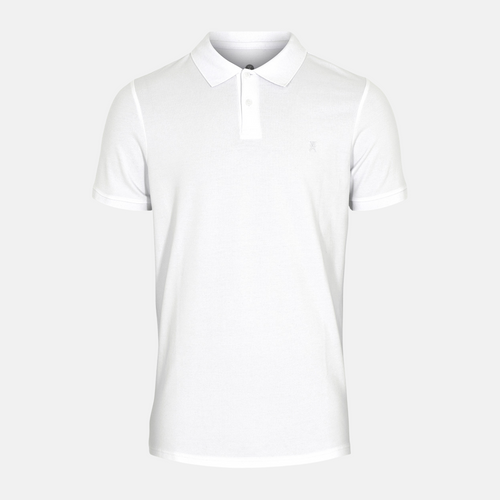
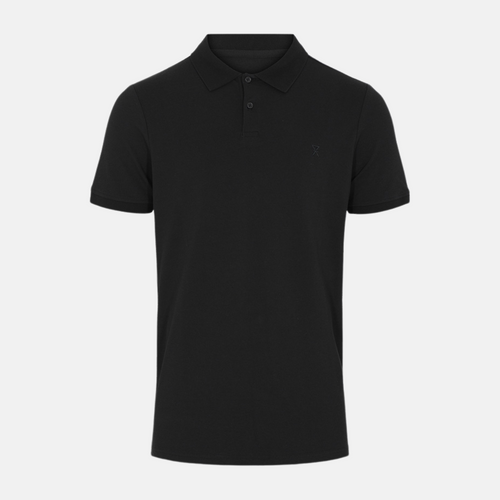
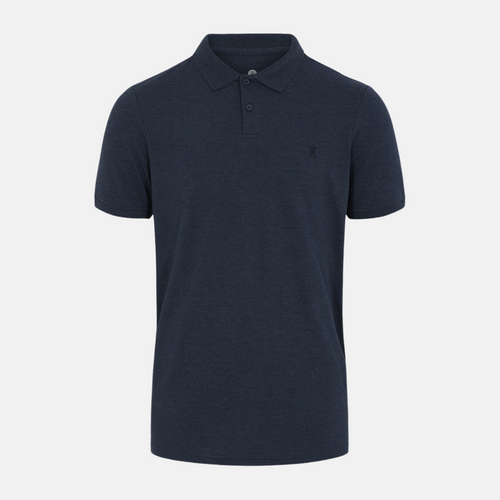
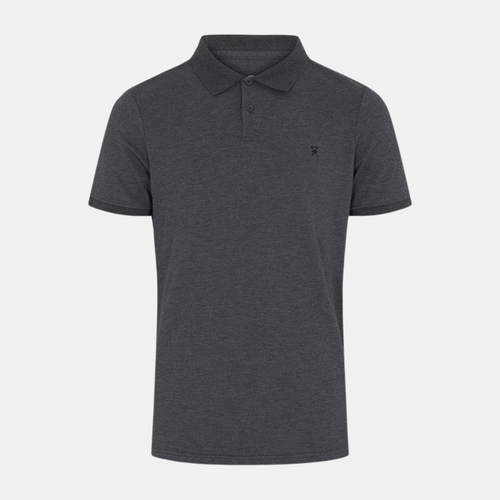
Five t-shirts are enough for a week if you change daily on weekdays and use the weekend to wash. If you want something a little smarter for work or dinner, a polo can take one of the places. It does not change the count, only what you put on. See bamboo polos for men.
Nightwear and towels
Two sets of nightwear and two towels sound like little, but it works when one is in use and the other is clean. The towel must have time to dry between uses, and nightwear does not get dirty as fast as daywear. You wash both weekly, so two is enough.
Bedding at the minimum
Two sets of bedding are the minimum: one on the bed and one clean to switch to. With only one, it must be washed and dried on the same day, and that does not always work. With two you have room in the plan but no spare if something goes wrong. It takes a bit more discipline than a bigger stock.
When it makes sense
The minimal wardrobe makes sense when moving, on a long trip or when the budget is tight and has to be spread over several months. In those situations it is better to have what you need than nothing. Treat it as a temporary solution, though, not something to hold on to forever.
How to build up from there
Take one category at a time. First buy enough underwear and socks for a week, then t-shirts, then nightwear and finally towels and bedding. Spread over half a year, it does not strain the budget all at once, and you get time to see what is really worn.
Frequently asked questions
What should you buy first
Underwear and socks. They are worn every day and wear out fastest if you have too few. You get the most for your money by starting with them.
Is it cheaper to have less
In the short term yes, because you buy fewer things. Over five years no, because each garment is worn and washed more often, wears out faster and has to be bought again.
How quickly can you build up from there
Take one category at a time over half a year. That spreads the cost, and along the way you can see whether some items are never worn before you buy more.
You can find the full range at Bamboo-Clothing.com.