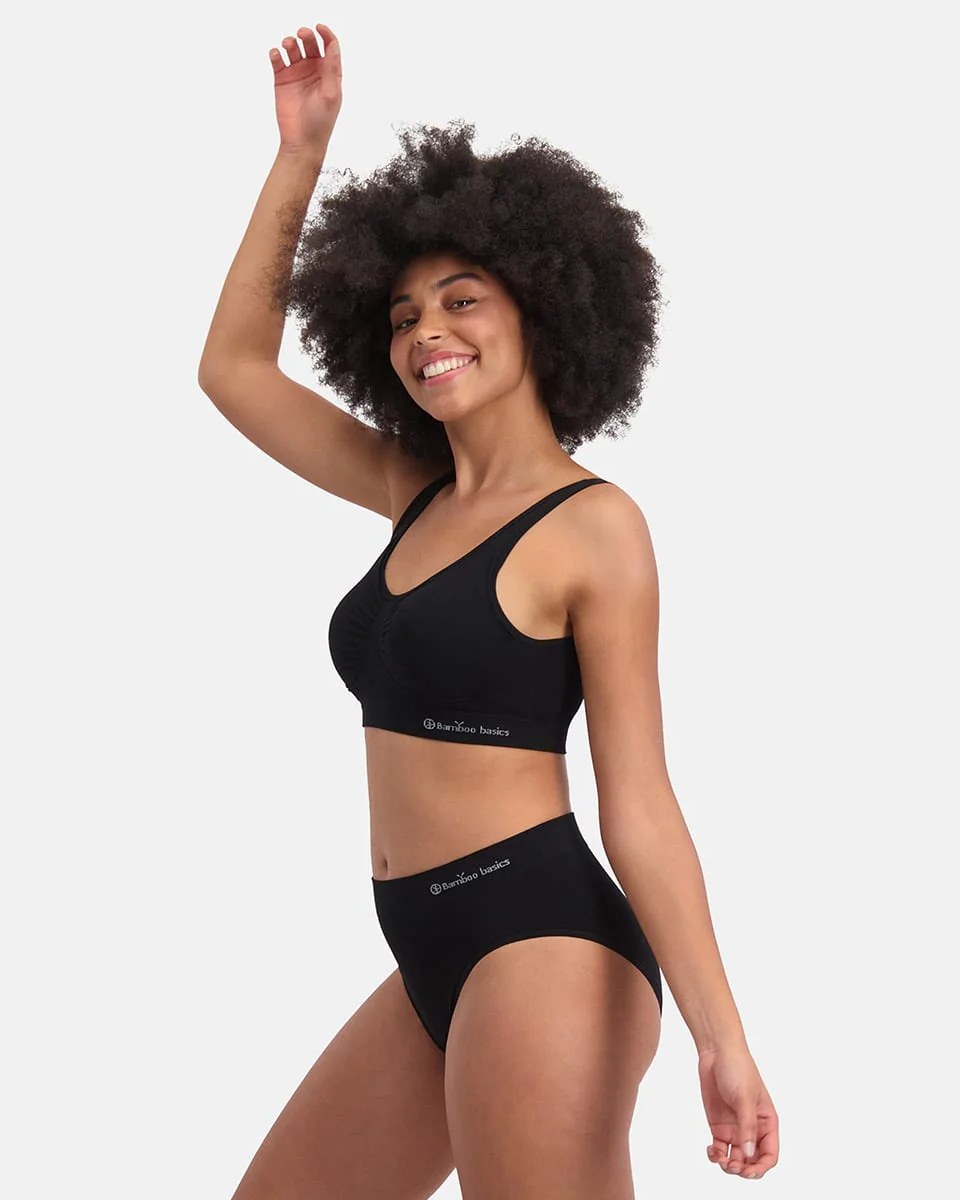
The stem of the plant, the chemistry and finally the yarn
Short answer: Bamboo viscose is made by processing bamboo stems into a pulp of cellulose, which is dissolved with chemicals and pressed out as fibres. The fibres are then spun into yarn, which is woven or knitted into fabric. It is an industrial process with several steps.
From stem to pulp
Bamboo is harvested, and the stems are chopped and processed into a pulp. The aim is to get at the cellulose, which is the plant's building material. It is the cellulose that becomes fibres, not the stem itself, and so there are several steps before anything looks like a fabric.
When the cellulose is dissolved
The cellulose is dissolved with chemicals so it becomes a thick liquid. That is the chemistry of the process, and it is what makes viscose viscose. How much of the chemicals is reused depends on the factory, and nothing general can be said about that.
Washing tips for the clothes
Follow the care label, as viscose can react to heat and rough treatment. Wash gently and let the clothes dry without too much heat. That way, for example, bamboo T-shirts for men keep their shape longer. Also look at all bamboo socks for men.
From fibres to yarn
The fibres are spun into yarn, and the yarn is woven or knitted into fabric. These are the same steps as for many other fibres. How tightly the yarn is spun affects how the fabric feels and falls, and how well it lasts.
Fabric, colour and sewing
The fabric can be dyed and finished before it is cut and sewn into clothes. Dyeing and finishing depend on the factory and the brand. That is why two garments in viscose from bamboo can feel different even though the raw material is the same.
What the word bamboo tells you
When a product is called bamboo, it means the raw material for the viscose is bamboo. That is not the same as the fabric being made of untreated bamboo fibres. On the label it often says viscose, and both can be right.
Why the fabric feels soft
Many find viscose from bamboo soft and smooth against the skin. That has to do with how the fibres are made and how the yarn is spun. How it feels to you depends on the fabric in the individual garment, so do try it yourself.
The fibres are pressed out
The thick liquid is pressed through small holes into a bath, where it sets and becomes fibres. It is like squeezing toothpaste through a nozzle. This turns the cellulose into long threads that can be cut into pieces or used as long fibres.
Frequently asked questions
Is bamboo viscose the same as bamboo fibre
No. Viscose from bamboo is made by dissolving cellulose from bamboo and pressing it into new fibres. It is not simply the bamboo stem's own fibres spun into yarn.
Why is it called both bamboo and viscose
Bamboo says what the raw material is, and viscose says which process the fibres are made with. Both can be on a product, and both can be right.
Do I need to wash bamboo viscose clothes differently
Always follow the care label. Viscose can be sensitive to heat and rough treatment, so wash gently. That also suits bamboo long johns, for example.