Tolerances in production and what they cover
Short answer: A tolerance is the deviation agreed in advance. It exists for measurements, weight, colour and fibre content, and it is the reason no two garments are exactly alike. Here is what tolerances cover and why they are needed.
Tolerances exist for everything
Fabric weight can be agreed at plus or minus five percent, measurements at plus or minus one centimetre and colour at a set deviation on a scale. Everything is written down before production. That lets both shop and factory know what is approved and what is not, without arguing afterwards.
Without tolerances nothing would pass
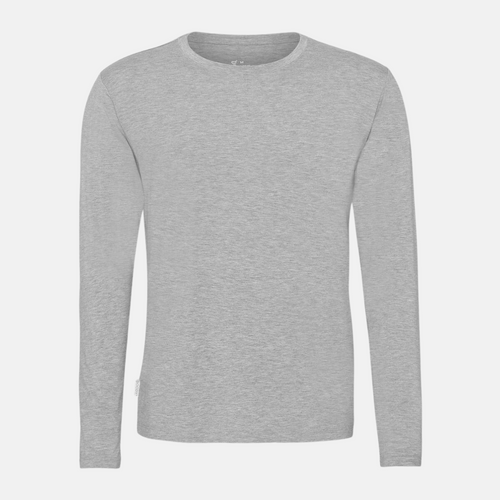
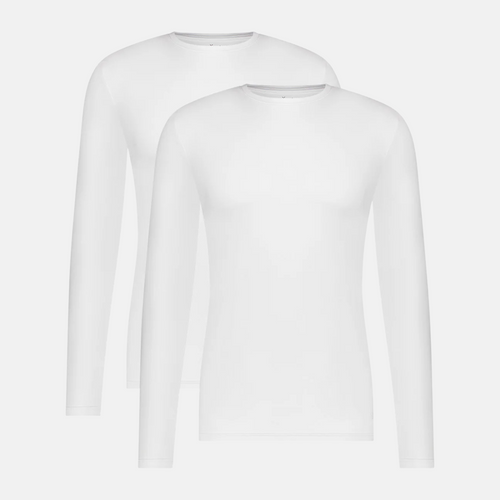
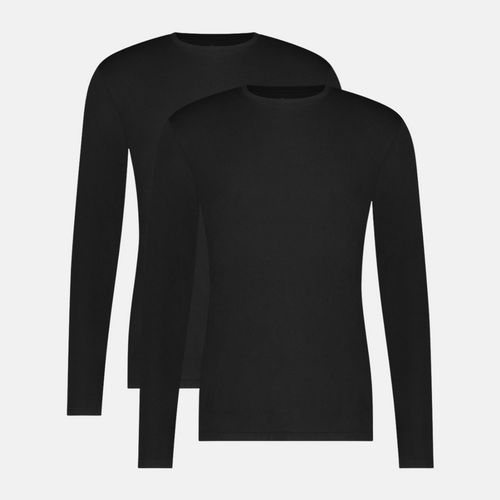
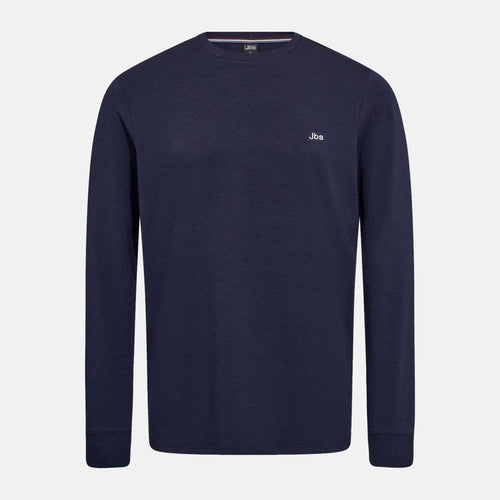
No machine can hit a number exactly every time. Without an accepted range, whole batches would be rejected because of differences nobody can see. The tolerance makes production workable in practice and is not a sign of carelessness. See our bamboo long sleeve T-shirt for men.
Where the line is drawn
The tolerance is tight where it matters to the user and wide where nobody notices the difference. It is a judgement, not a law of nature. What matters depends on the product. See also bamboo sheets and bamboo underwear for men, where fit and measurements matter in different ways.
Colour is hard to keep identical
The colour tolerance matters because two garments worn together clearly reveal a difference. Colour is judged against a scale, and a small deviation may be accepted within the agreement. Colour can shift from batch to batch, which is one reason to order sets at the same time.
Fabric weight and what it tells you
Fabric weight is measured in grams per square metre and says something about how dense and heavy the fabric is. A tolerance of plus or minus five percent means two rolls can weigh slightly differently without being faulty. Weight affects feel and drape, so it is agreed, but it need not be identical every time.
Measurements and fit
Measurements are often agreed at plus or minus one centimetre. That sounds small, but in knit the fabric can change depending on how it lies. One centimetre can be felt in a close model and hardly at all in a loose one. It makes sense to compare the size chart with a garment you know.
Who agrees the tolerances
The tolerances are set out in the agreement between shop and factory and are usually fixed before production starts. As a customer you normally cannot see them, but you notice the result in a garment that lies within the agreed limits. It is part of the quality work behind the garment you receive.
What happens if the tolerance is broken
If the tolerance is broken, the batch is not always rejected. Often the price is renegotiated instead, or the batch is sold as second grade. The decision depends on how large the deviation is and how much it matters to the user. It is a practical balance of quality and cost.
What it means for you
No two garments are exactly alike, and that is normal. Order sets and pieces meant to be worn together at the same time, so they are as likely as possible to come from the same batch. Check the measurements when you receive the garment, and contact customer service if the deviation is clear and well beyond normal.
Frequently asked questions
Can I see the tolerances as a customer
No. They are set out in the agreement between shop and factory. You can see the measurements in the size chart and use them to choose the right size.
Why is the colour tolerance so important
Because two garments worn together clearly reveal a difference. The difference is easier to see when the garments lie side by side.
Is a batch rejected if the tolerance is broken
Often the price is renegotiated instead, or the batch is sold as second grade. It depends on how large the deviation is and what it means for the user.
You can find the full range at Bamboo-Clothing.com.