Underpants for sport and what prevents chafing
Short answer: For sport, underwear should fit snugly, have legs that are long enough and no seams on the inner thigh. Those three things remove almost all chafing. The fabric and a quick change afterwards take care of the rest.
Snug rather than loose
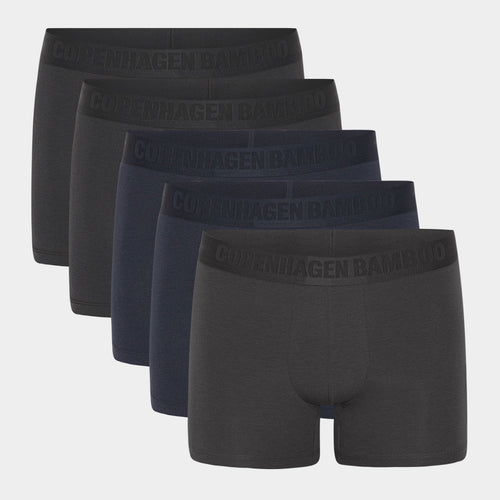
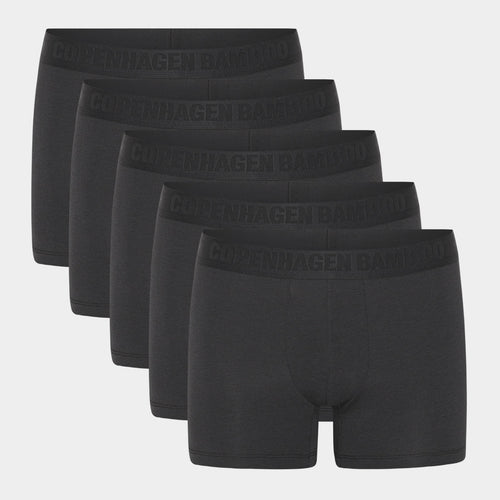
Loose underwear folds as you move, and those folds rub against the skin with every stride. A snug style with stretch stays where it is, even when you run, cycle or jump. It should fit close without squeezing at the waistband or the legs. See bamboo underwear for men.
Legs that reach far enough
The leg should reach clearly past the point where your thighs meet. If it is too short, it rides up by the second kilometre, and then skin rubs directly on skin. For running and cycling, a longer leg is almost always better than a short one. Try walking up a few flights of stairs in them first.
No seams in the wrong place
A seam on the inner thigh turns into friction with repeated movement. You may not notice it on a walk, but after an hour on the treadmill it is obvious. Flat seams or seamless styles solve the problem. Turn the underwear inside out and run a finger over the seams to feel where they sit.
Moisture away from the skin
Damp skin chafes more easily than dry skin. That is why a fabric that moves moisture makes a real difference, not just to how it feels. Bamboo viscose absorbs moisture and lets it evaporate, so the fabric clings less. A little elastane helps it keep its shape. See also bamboo underwear for men.
The waistband during training
A waistband that sits well at the office can roll down when you bend and stretch. Choose a wide, soft waistband that lies flat against the skin and does not press when you lean forward on the bike. A narrow band digs in and leaves marks after a long ride.
Size matters more than usual
For sport, underwear that is too big is as bad as underwear that is too small. The larger pair folds, and the smaller one squeezes and rides up. Measure around your hips and choose from the size chart, not from your trouser size. If you are between sizes, try both during a session.
Change straight afterwards
The hour after training in damp clothes is when most problems start. Your skin is warm and soft, and moisture makes it more sensitive to friction. Pack a clean, dry pair in your bag and change as soon as you finish, even if you cannot shower straight away.
Wash after every session
Underwear you have trained in should be washed after use. Wash at 40 degrees without fabric softener, since softener makes the fibres worse at taking up moisture. Dry on low heat or on a line so the elastic lasts longer. Read more under washing and care.
How many pairs you need
If you train three or four times a week, it is worth keeping a few extra pairs just for sport. That way you always have a clean pair in your bag and one to change into afterwards. Buy several of the same style, so you know they all fit properly.
Frequently asked questions
How do I avoid chafing when running?
Choose a snug style, legs that reach clearly past where your thighs meet and no seams on the inner thigh. A fabric that moves moisture away helps on longer runs too.
Is loose underwear better for sport?
No. Loose underwear folds as you move, and those folds rub against the skin. A snug style with stretch stays in place and causes far less friction.
Should you change straight after training?
Yes. Damp clothing against warm skin in the hour after training causes most problems, so change into a clean, dry pair as soon as you are done.
See our range of bamboo underwear for men.