Underwear in natural materials, what counts
Short answer: Underwear in natural materials usually means cotton, wool, silk and linen. Viscose from bamboo comes from a plant but is processed, and is therefore often mentioned separately. Here you can see what belongs to the group and what to look for.
Underwear in natural materials and what the term covers
When people talk about underwear in natural materials, most think of fabrics from plants or animals. That can be cotton, wool, silk and linen. The term has no fully fixed definition, and shops and brands use it differently. That makes it important to check exactly what a garment is made of.
Cotton is the best known
Cotton is a plant fibre that many know from underwear and T-shirts. It is familiar, easy to wash and available in many qualities. How it feels depends on yarn and knit. Many prefer cotton because they are used to it. If you want an alternative, try another fibre, but it is a matter of taste.
Wool and silk
Wool and silk come from animals. Wool is often worn in cold weather, while silk is thin and smooth. Both often need a more careful wash. That means they are a little more demanding in daily life. Always read the care label, and choose by how you use the underwear and how much care you want to put in.
Viscose and bamboo
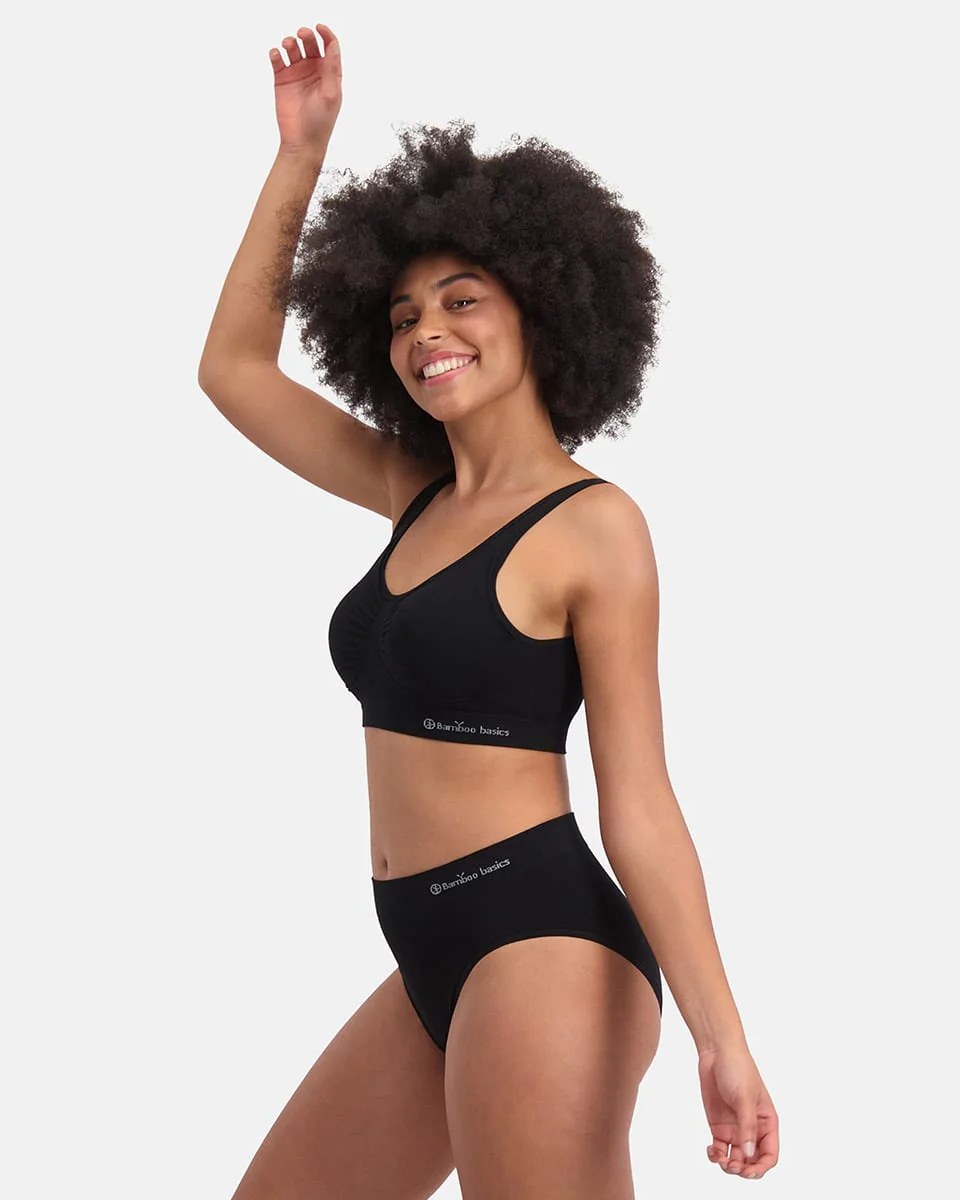
Bamboo in clothing is viscose made from bamboo. The raw material comes from the plant, but the fibres are processed into yarn, so many do not count it as a pure natural fibre but as a plant-based fibre. The difference is worth knowing when you compare. Look at bamboo underwear for women to feel the fabric yourself.
Elastane and other additions
Many fabrics contain a little elastane, so they give and fit well. It is a synthetic fibre, so underwear can be a blend of natural and synthetic. If you read the words natural material, check the content. If you are unsure how big the natural share is, you will find it in the product information.
Read the label
The label in the garment says what it is made of, in percent. It is the only reliable source. Headings such as natural or soft do not say much alone. Compare the label from garment to garment, and remember that the quality of knit and yarn matters too. A good composition can still fit badly.
Skin and sensitivity
Many choose natural materials because they hope for a milder feel on the skin. The experience is personal, and no material is a promise. If you have skin problems or allergies, talk to your doctor about what suits you. Try one pair at a time. Also look at bamboo panties as one option among several.
How to choose by your needs
Think about what you use the underwear for: daily wear, sport, cold or warm days. Choose material and cut by that, and read the care label. You can happily have several types in the drawer. Combine with a layer such as a women's long-sleeved bamboo T-shirt when it is cold.
Frequently asked questions
Is bamboo a natural material?
Bamboo in clothing is viscose made from bamboo. The raw material comes from a plant, but the fibres are processed, so many see it as plant-based rather than a pure natural fibre.
Which fabrics count as natural materials?
Usually cotton, wool, silk and linen. The term has no fully fixed definition, so always read the content in the garment.
Can underwear in natural materials contain elastane?
Yes, many fabrics contain a little elastane so they give. Check the label to see how big a share is natural.