Washing colder and what it costs in cleanliness
Short answer: Thirty degrees handles ordinary everyday wear. Sixty degrees is only needed after illness, for grease stains and for kitchen textiles. Everything else can be washed cooler without losing cleanliness.
What cold handles
Sweat, skin oil and ordinary dust come out at thirty degrees. Modern detergents are made to work at that temperature, and most stains disappear when the clothes get time and the right amount of detergent. That covers most of what ends up in the laundry basket on an ordinary day. See also Bamboo Basics.
What needs heat
Grease stains, tea towels and clothes from someone who has been ill. Grease only dissolves at a higher temperature, and kitchen textiles should be washed hot for other reasons. These are three exceptions, not a rule. Sort them out and wash them separately, so the rest can stay at thirty degrees.
How to sort
Make two piles: everyday and exceptions. Everyday is everything you have worn and sweated in, and it goes in at thirty degrees. Exceptions are kitchen textiles, grease stains and clothes after illness, and they are washed hotter on their own. That way you do not turn up the whole machine for one item.
What you gain
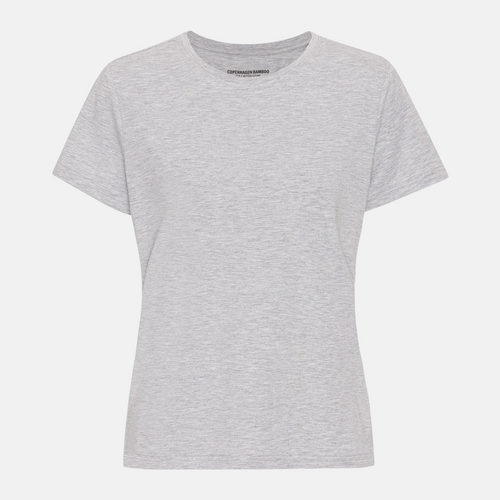
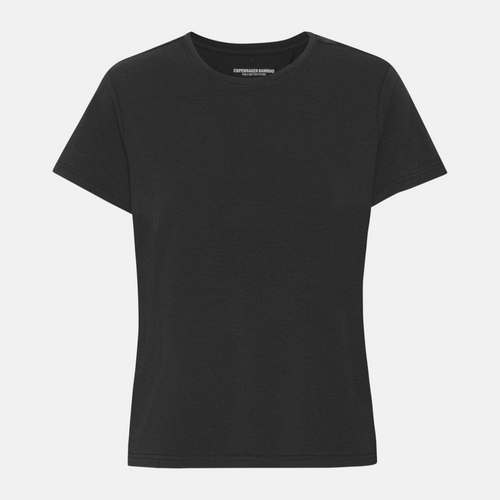
Less electricity, less shrinking and a longer life. Cooler washing is gentle on the fibres, so the garment keeps its shape and size for longer. That applies especially to knitted pieces, which are easy to pull out of shape. See also bamboo tops for women and bamboo t-shirts for women.
The right amount of detergent
More detergent does not give cleaner clothes, especially not at a low temperature. Follow the dose on the pack and adjust it to how dirty the clothes are and how hard your water is. If residue stays in the clothes, they can feel stiff and smell, and then they need rinsing again. A measuring cup makes it easy to get right.
The washing machine needs care too
A machine that only washes cold can start to smell. Run a hot empty wash once a month, and leave the door open when the machine is not in use. That lets the rubber seal dry, so no damp lingers. Clean the detergent drawer too, so old residue does not build up and add to the smell.
Read the label in the garment
The label in the garment shows the highest temperature it tolerates. Thirty degrees is below the limit for most everyday clothes, so it is rarely something to worry about. If a garment's instructions say something else, follow them. They are the maker's best guidance on what the fabric can take.
And white clothes
Forty degrees and an oxygen-based detergent keep whites white. Sort whites separately so they do not pick up colour from other clothes. Read the care instructions in the garment first, since they decide how hot it may be washed. The rest of your everyday clothes can stay at thirty degrees while whites go separately at forty.
How to get started
Set the machine to thirty degrees next time you wash ordinary everyday clothes. Check that the laundry smells fresh and is clean when it comes out. If it works, that is your new standard. Keep the hot programmes for the three exceptions, and run a hot empty wash once a month.
Frequently asked questions
Does the machine get dirty from cold washing?
It can start to smell. Run a hot empty wash once a month and leave the door open between washes so the seal dries and no damp lingers.
Does detergent work at thirty degrees?
Yes. Most are made for low temperatures. Follow the dose on the pack, since more detergent does not clean better, and residue can make clothes stiff.
What about white clothes?
Forty degrees and an oxygen-based detergent keep whites white. Sort whites separately and check the care label so you do not exceed the temperature the garment tolerates.
You can find the full range at Bamboo-Clothing.com.