What a dimensional stability test measures
Short answer: It measures how much a fabric changes size after washing and drying. The result is written as a percentage in length and a percentage in width. That gives the buyer a number to set a limit against before the fabric is used for garments.
Two directions, two numbers
Fabric behaves differently lengthwise and across, because the stitches lie in rows. So a report always shows two numbers rather than one combined figure. One tells you what happens in length, the other what happens in width. Read only one and you get half the story.
How the percentage is read
The number is the difference between the size before and after, given as a percentage of the original size. A minus means the fabric got smaller, a plus that it got larger. It is a simple way to compare fabrics, since you need not know the exact size in centimetres, only the change from the start.
Drying counts too
A fabric can shrink in the wash and pull in further in a tumble dryer. The method states how it was dried, because air drying and tumble drying can give different results. Without that detail the number is nearly useless. See Decoy, and read the care label to know how the piece is meant to be washed and dried.
The limit is agreed in advance
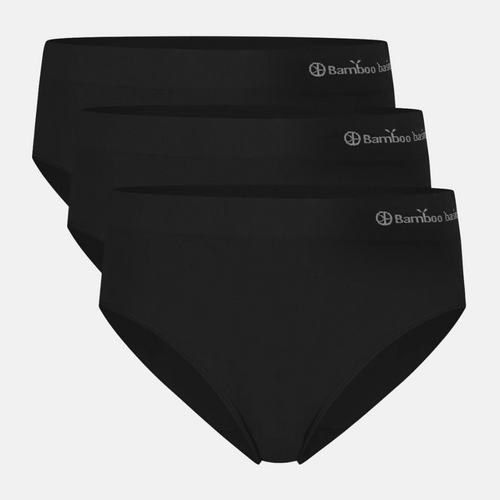
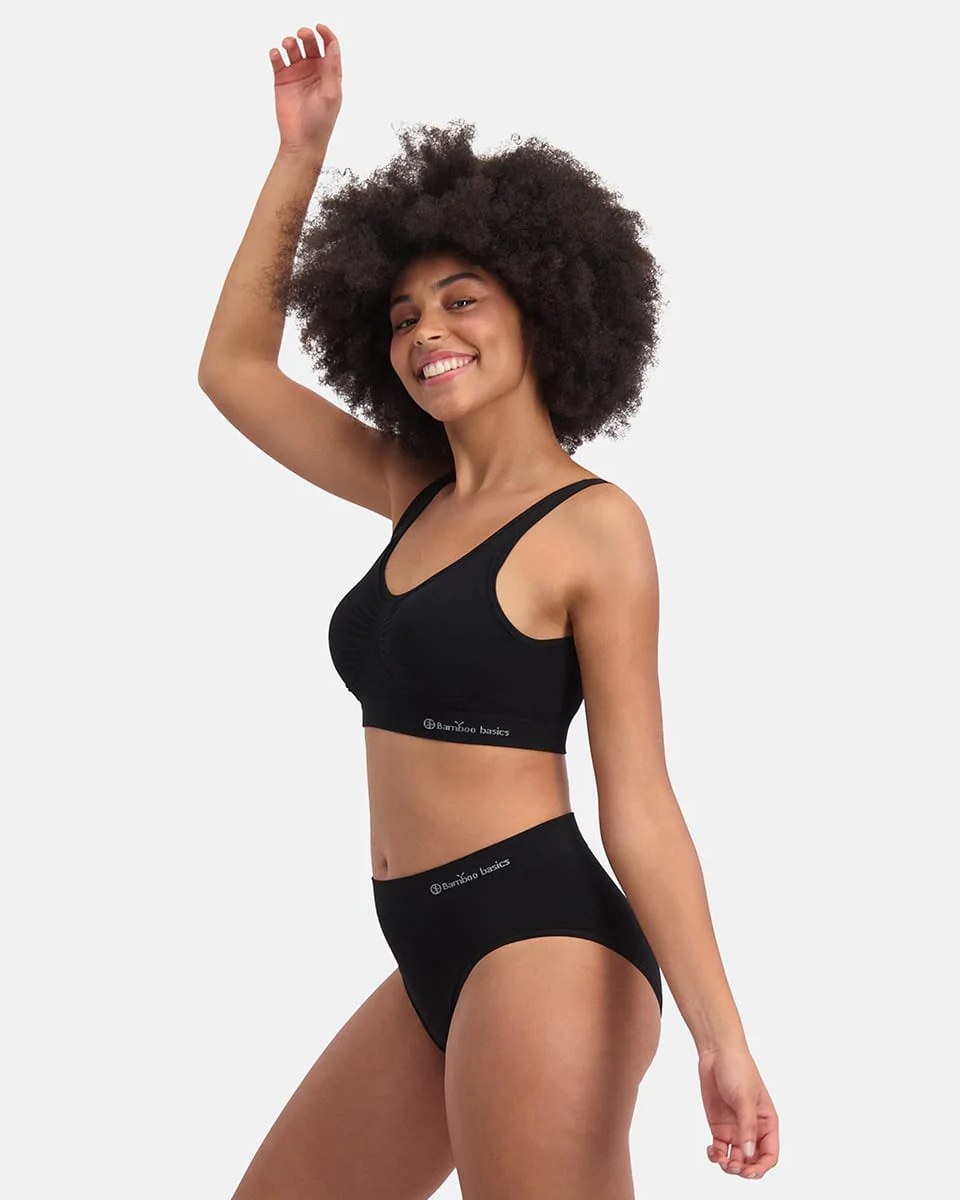
The buyer sets a limit in the specification, often a couple of percent. If the fabric is over it, it must be pre-shrunk better before it can be used. That way the requirement is clear before production starts, and nobody argues afterwards. See Zent and Bamboo Basics to see how fit is described on the items.
When the fabric is over the limit
If the number is too high, the fabric is not simply passed on. It can be treated again so it shrinks further, and then it is tested anew. Only when the numbers stay within the limit can the fabric be cut. That takes time but is cheaper than a whole batch changing size in the customer's wash.
Why knit is special
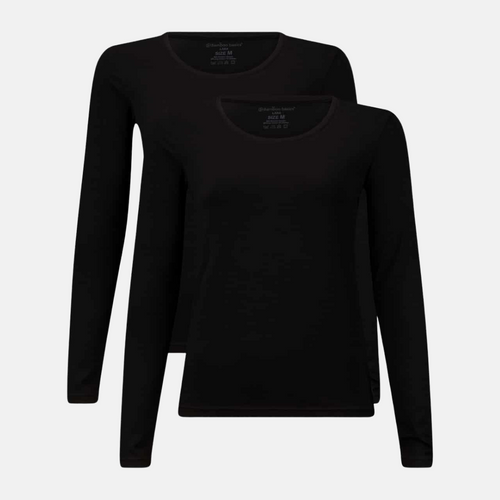
Knit consists of loops that can pull together or open up, so knitted fabrics change size more easily than many woven ones. That is especially true if they were stretched during production and relax later in the wash. That is why the test matters for T-shirts, underwear and other knitted pieces.
What the number says about fit
A small number means the garment roughly keeps its size after washing. A large number means it can become noticeably shorter or narrower. That is why the size chart is not quite the same as the garment after you have washed it, and a good reason to know the fabric's number when choosing a size.
Why home gives different numbers
In the laboratory water, temperature and drying are tightly controlled. At home all three vary, and the machine is loaded differently each time. So your garment may shrink more or less than the report shows. The report is a basis for comparison, not a promise about what happens in your machine.
How to limit shrinking
Follow the care label, use the recommended temperature and avoid the tumble dryer if the label advises against it. Let the piece dry flat or on a rack so it is not pulled out of shape while wet. Small things, but they keep the piece closer to its original size over many washes.
Frequently asked questions
Can a fabric get larger?
Yes. Some knitted fabrics stretch in width and become shorter, so the change can go in different directions in length and width.
What is a good number?
For knit, a couple of percent is considered acceptable in both directions. What suits best depends on the fabric and what it will be used for.
Why does my garment shrink more than the number says?
Because washing and drying at home rarely match the laboratory method exactly. Temperature, load and drying can differ from the fixed conditions.
You can find the full range at Bamboo-Clothing.com.