What a double stitched hem means for durability
Short answer: Two rows of stitches double the number of threads holding the hem. If one row breaks, the other holds, and the hem does not open at once. The cost is a slightly stiffer, thicker edge, so close to the skin a single fine seam is often chosen.
Two rows are a reserve
A single row of stitches is a chain of points held by one thread. If one point breaks, the whole row can be pulled out, like pulling the end of a string. With two rows, both must fail in the same place before the hem opens, which happens far less often.
How a stitch works
Each stitch locks with the next, and the threads lie together in the fabric. If the thread is worn or strained by stretch, a single stitch can give way. With two parallel rows the pull is shared, and one row relieves the other. It is the same idea as a second rope on a harness.
The hem is the most exposed place
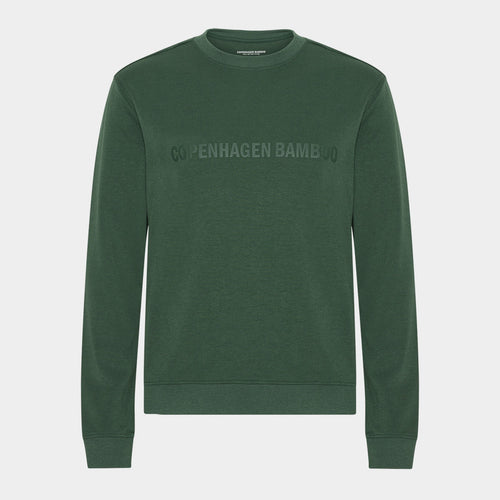
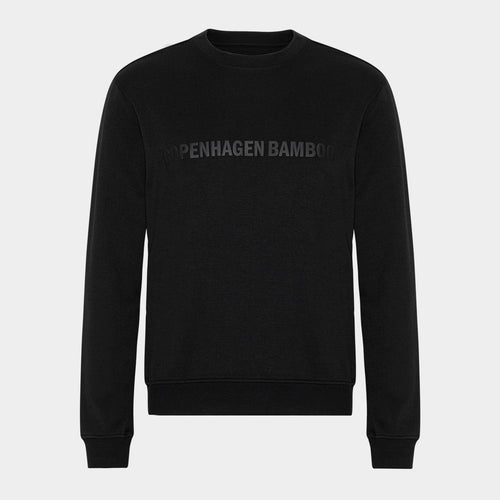
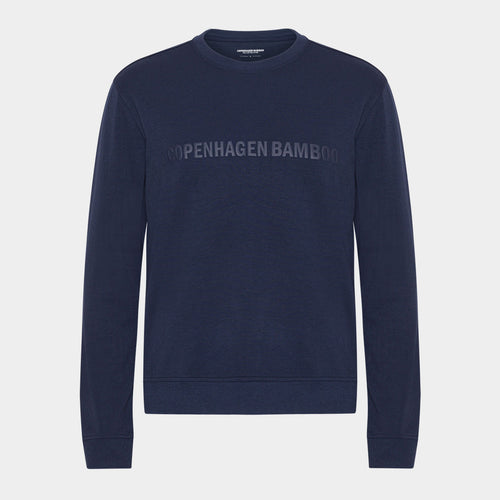
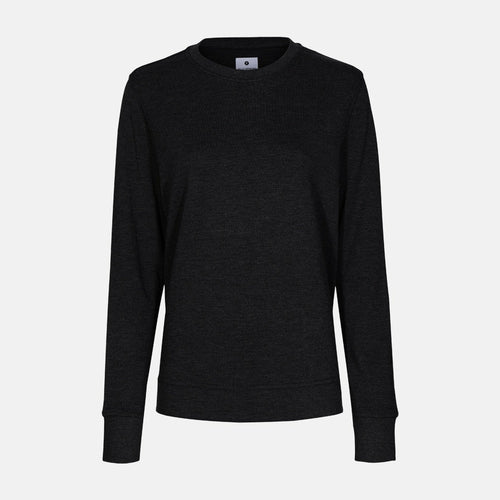
The bottom of a T-shirt and the sleeve hem hit tables, chair backs and bags all day. That is why most hems are double stitched. The hem must stop the fabric from fraying and cope with repeated stretch. See bamboo sweatshirt for women, where sleeve and bottom hems see plenty of wear.
Where you see it
Double-stitched hems are most often found at the bottom edge, sleeve hem and neckline, where the fabric is folded over and sewn down. On the right side you see two parallel rows of stitches along the edge. Inside there is usually an edge finish or overlock seam that stops the fabric from unravelling.
What it costs in comfort
Two rows of stitches make the hem a little stiffer and thicker, because there are more layers and more thread in the fabric. You rarely notice it on a sweatshirt, but against the skin it can sit as an edge. So a flat single seam is often chosen where comfort comes before strength.
Close to the skin
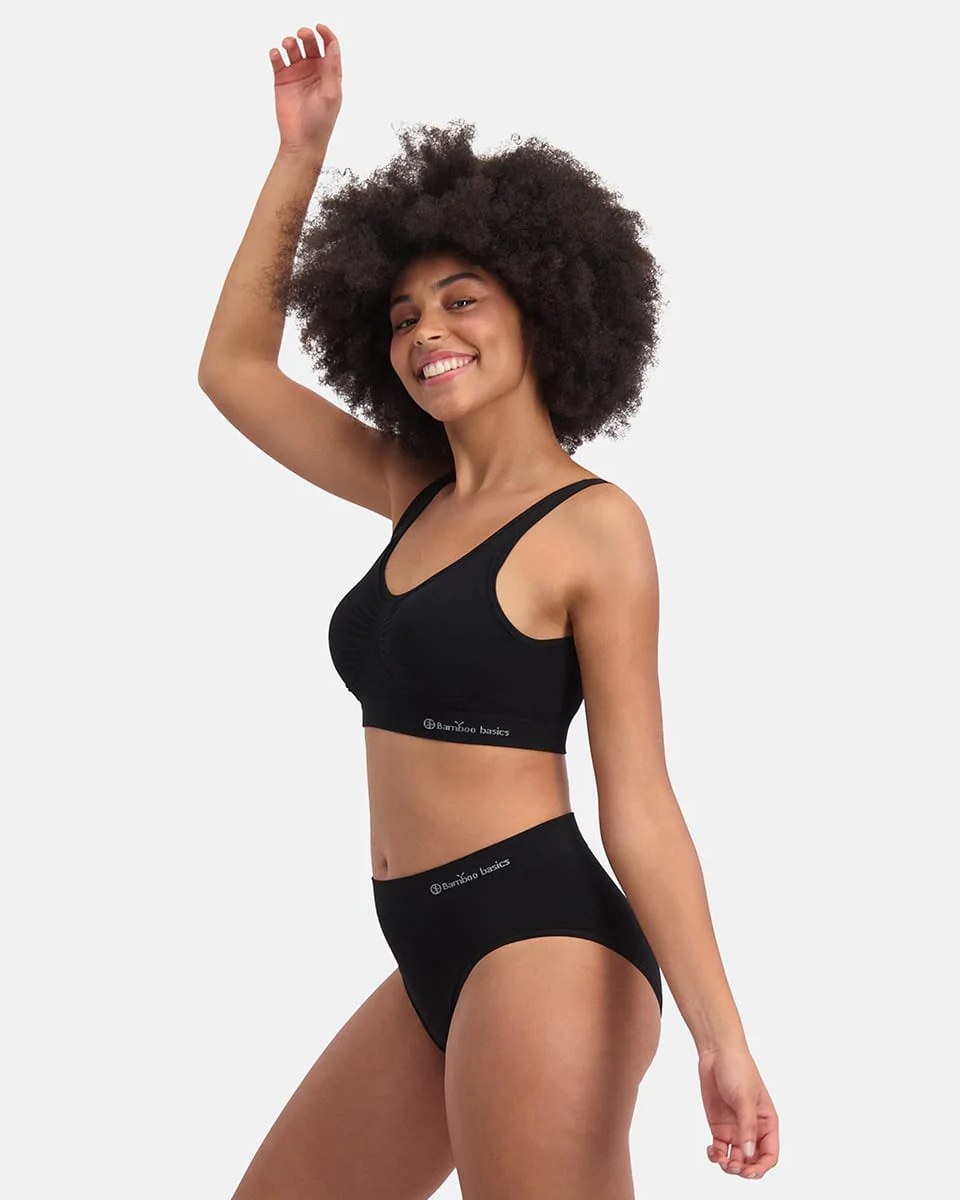
Where the hem lies against the skin, a single fine seam is therefore often chosen. It lies flat and is barely felt. The price is that it has only one row of thread to rely on, so it asks for a little more care in the wash. See bamboo panties and bamboo sports bra.
Can you sew an extra row yourself
Yes, you can. Place the row close to the existing one and use a narrow zigzag, so the seam can still give when the fabric stretches. A straight stitch would break. Use a thread that suits the fabric and a needle made for knits, so you do not make holes in it.
How to see the difference
Turn the garment and look at the hem. Two parallel rows of stitches along the edge, usually on the right side, mean a double-stitched hem. If you see only one row, it is a single seam. The hem can be just as durable if the fabric is tightly knitted and the seam well made.
What to choose
For exposed hems such as the bottom edge and sleeves, double stitching is often the best choice, because it lasts longest. Close to the skin, a flat single seam can be better, because it does not rub. It is not about right or wrong, but about where the hem sits and what you use the garment for.
Frequently asked questions
Is double stitching always better
For exposed hems, yes. Close to the skin a flat single seam can be better, because it sits lighter and does not rub, even though it has fewer threads to rely on.
How do I see if the hem is double stitched
Look for two parallel rows of stitches along the edge, usually on the right side. If you see only one row, the hem is sewn with a single seam rather than two rows.
Can I sew an extra row myself
Yes, place it close to the existing one and use a narrow zigzag so the seam can give when the fabric stretches. Use a knit needle and a thread that suits the fabric.
You can find the full range at Bamboo-Clothing.com.