What bamboo is used for besides textiles
Short answer: Bamboo is used as a building material, for furniture, flooring, scaffolding, paper, and as food. Textiles are the newest of these uses, and most of the others are far older.
Building material on a large scale
The stalks are very strong relative to their weight and are used for scaffolding and construction across large parts of Asia. Buildings several storeys high are raised with bamboo as the load-bearing material, because the stalks are both light to transport and strong enough to carry the weight facts about bamboo.
Scaffolding in the middle of the city
In cities like Hong Kong, bamboo scaffolding is still seen around high-rises, where the stalks are tied together with rope instead of screws. The method is quick to put up and easy to move, and it is used side by side with modern steel scaffolding on the same building sites.
Furniture and flooring in solid form
Bamboo is pressed and glued into boards used for flooring and furniture. Here the material is used in its solid form, quite different from when it is first dissolved and spun into textile fibre. The surface resembles wood, but the stalks grow far faster than most tree species.
Paper made from bamboo cellulose
Bamboo cellulose is turned into paper following roughly the same principle as wood cellulose. The fibres are boiled and cleaned until only the cellulose remains, which is then pressed into pulp. This process is closely related to the one later used to turn the same raw material into textile fibre how bamboo viscose is made.
Bamboo shoots as food
Bamboo shoots are eaten across large parts of Asia and are a common vegetable in many places. They are harvested while young and tender, long before the stalk becomes hard enough for construction or furniture. That is why only a small part of the plant ends up as food.
Bamboo in garden design
As an ornamental plant, bamboo is used to create screening and shade in gardens worldwide. Here it is about appearance and fast growth, not the strength of the stalks or the purity of the cellulose. The species planted in gardens are rarely the same as those used industrially.
Compared with wood
Bamboo grows markedly faster than most trees used for the same purposes, and a stand can be harvested again a short time later. That makes it an interesting source for both construction and paper, without changing the fact that botanically it is a grass, not a tree.
Textile use is the newest
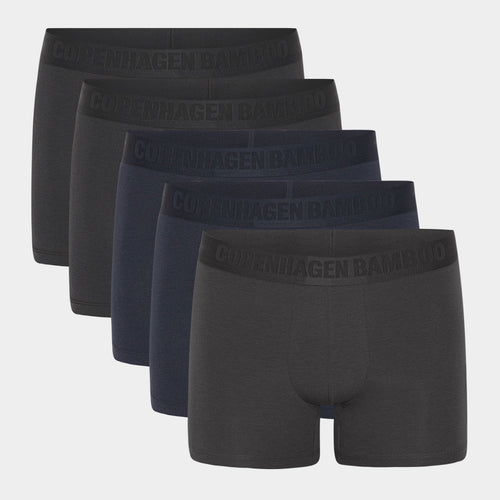
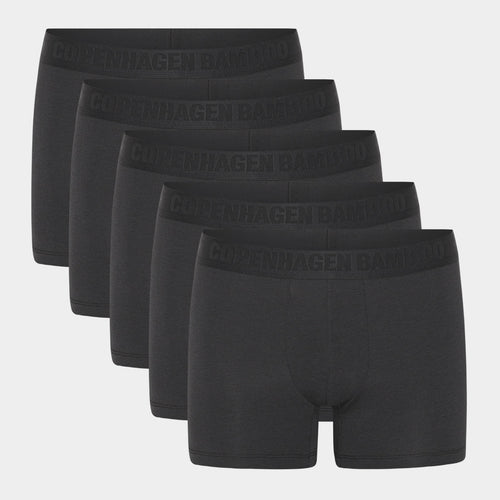
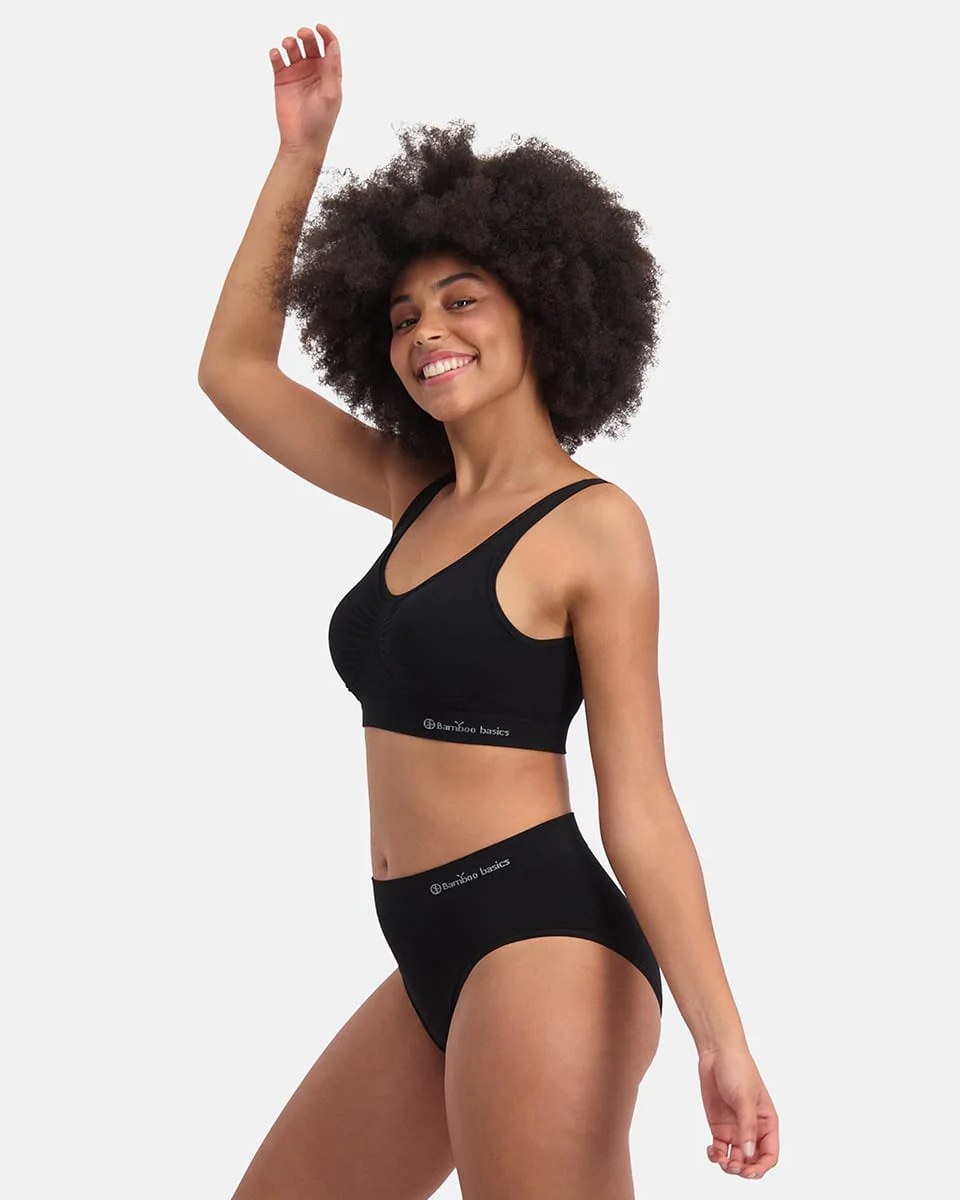
Compared with construction, food, and paper, textiles are the newest use of bamboo. It requires an entirely different process from the others, where the cellulose is chemically dissolved and spun into fine fibres. See bamboo underwear for men for an example of the finished result bamboo underwear for men.
One plant, many products
The same bamboo field can in principle supply raw material for construction, paper, and textiles, depending on which part of the plant and which processing is chosen. See washing and care for how the finished textile fibre should be treated once it has become clothing washing and care.
Frequently asked questions
What is bamboo used for besides clothing?
Construction, scaffolding, furniture, flooring, paper, and food. Textiles are actually the newest of these many uses of the plant.
Can bamboo be used for construction?
Yes. The stalks are strong relative to their weight and are used for scaffolding and construction in several parts of Asia.
Is textile use new compared with the others?
Relatively new, yes. Bamboo has been used for construction, paper, and food for far longer than for textiles.
You can find the full range at Bamboo-Clothing.com.