What bamboo viscose is made of
Short answer: Bamboo viscose is made from cellulose taken from the bamboo plant. The cellulose is extracted from the stalks, dissolved chemically and spun into entirely new fibres, and the result is called viscose after that manufacturing process, not after the plant itself.
The raw material is the plant itself
The bamboo stalks are chopped up and cooked together with chemicals into a thick cellulose pulp that looks more like porridge than fabric. Cellulose is the same base material found in cotton and wood, and it is exactly that building block the entire process starts from. See how bamboo viscose is made.
From pulp to fibre
The pulp is further dissolved and pushed through thousands of tiny nozzles, where it hardens into long, thin threads inside a bath. That is why viscose is called a regenerated fibre rather than a natural fibre like cotton, even though the raw material at the other end of the process is genuinely natural and plant based.
That is why the label says viscose
Labelling rules require that the fibre's own name appears on the care label, not the name of the raw material. Bamboo is the raw material, while viscose is the fibre after processing, and the two words therefore describe two different links in the same chain from plant to finished fabric on the shelf.
The properties come from the process
The smooth surface and the soft feel against the skin come mainly from the spinning itself, not from the plant the cellulose originally came from. That is why viscose made from different plant sources such as bamboo, beech or eucalyptus often resembles each other far more than the names alone would suggest.
Bamboo as a raw material has advantages
Bamboo grows quickly and often needs fewer resources during cultivation than many other crops, which makes it a practical source of cellulose at large scale. See advantages of bamboo viscose for more on why this particular plant is often preferred as a raw material in the textile industry today.
What that means for laundry care
Regenerated fibres like viscose generally tolerate less heat than cotton, because the chemical process leaves the fibre weaker while it is wet. 40 degrees is the limit for most everyday pieces, and gentle handling noticeably extends how long the fabric lasts. See washing and care for the specific recommendations.
Facts versus myths about bamboo
Plenty of claims circulate about bamboo textiles, and not all of them hold up under a closer look at the actual process involved. See facts about bamboo for an overview of what is genuinely documented about the plant and the fibre, separate from the stories that simply sound good in an advert.
Why bamboo is chosen over other plants
Compared with many other cellulose sources, bamboo typically needs less irrigation and no pesticide spraying during cultivation, because the plant itself is naturally robust. That makes it attractive as a raw material, even though the actual processing into fibre requires the same chemical steps regardless of which plant is used.
The finished fabric in practice
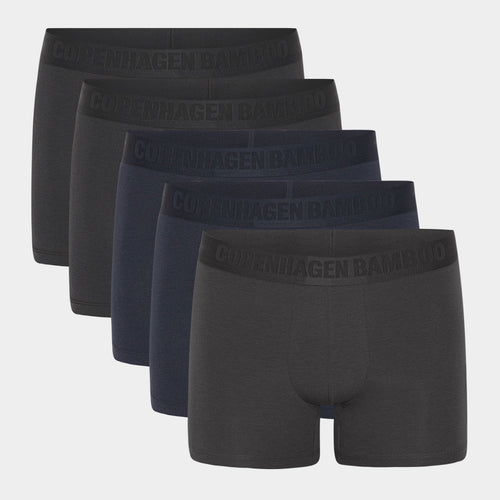
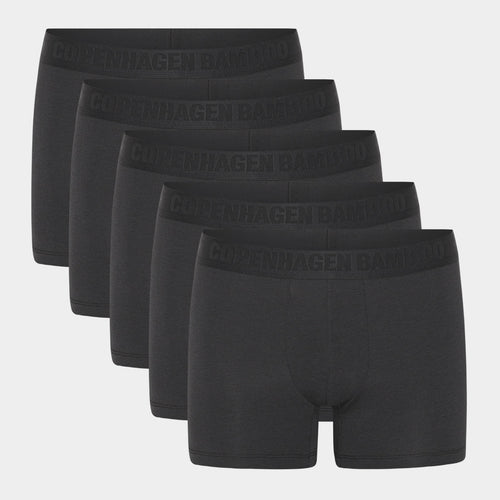
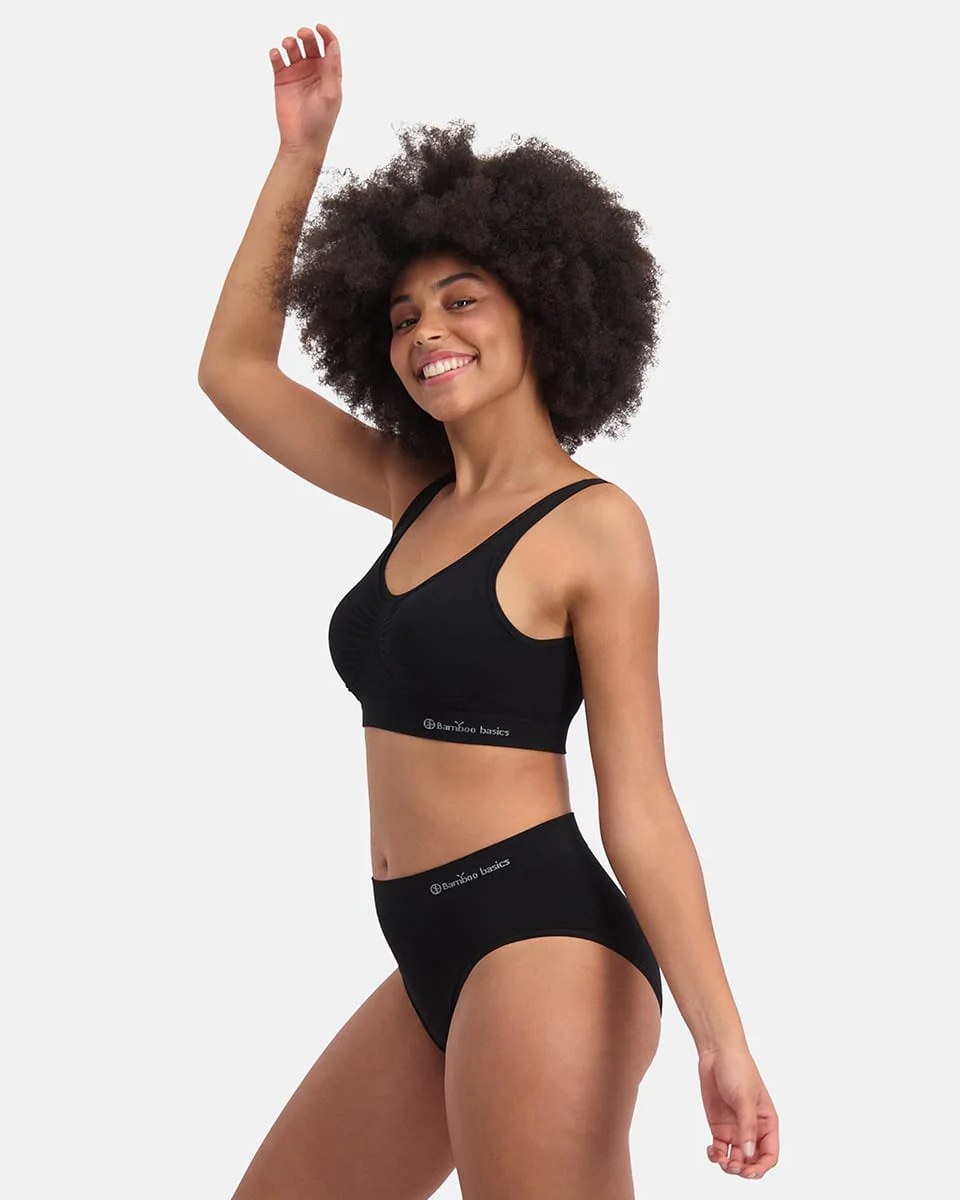
Once the fibre is spun and woven or knitted into fabric, the result feels soft and drapes lightly, which makes it popular for bamboo underwear for men and other clothing worn close to the body. That feel is a direct result of the long, smooth fibre the process creates from start to finish.
Frequently asked questions
What is bamboo viscose made of?
Cellulose from the bamboo plant, which is dissolved chemically and spun into entirely new fibres. The name viscose comes from the manufacturing process, not from the plant the cellulose originally came from.
Is bamboo viscose a natural fibre?
It is a regenerated fibre. The raw material, the bamboo plant itself, is natural, but the fibre is chemically manufactured through an industrial process in several stages.
Why does the label say viscose rather than bamboo?
Because labelling rules require the fibre's own name, not the raw material's name. Bamboo is only the raw material early on, while viscose is the finished fibre itself.
You can find the full range at Bamboo-Clothing.com.