What chlorine does to elastane
Short answer: Chlorine attacks the chemical bonds in elastane directly. The thread turns yellow, brittle and loses its spring, and the damage is permanent. That is why clothes with elastane wear out quickly if they come into contact with chlorine.
Chlorine breaks the bonds
Chlorine is a strong oxidising agent. The same bonds that give elastane its elasticity are broken by chlorine in a short time. Once the bonds are gone, there is nothing left for the thread to contract with, and it lies in the fabric as a slack strand doing no work.
Pool water is enough
Even the low concentration in a swimming pool damages elastane over weeks. That is why swimwear loses its shape faster than other clothing. It does not take strong chlorine to do harm, only repeated contact, and that happens by itself when swimwear is used in the pool and not rinsed afterwards.
What the damage looks like
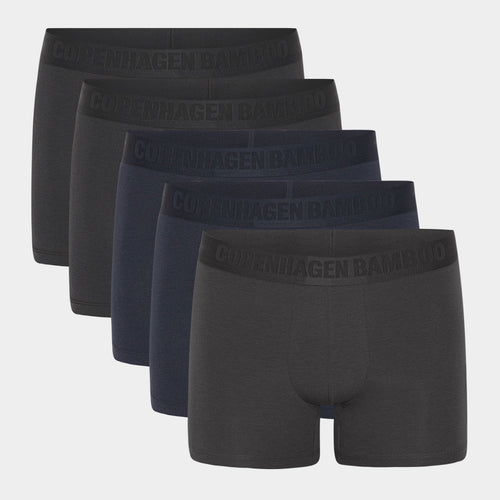
Chlorine damage can be seen. The fabric turns yellowish and loses its spring in the most exposed places, such as the waistband and leg opening. It feels thinner and more brittle than the rest of the garment. Once the yellowing shows, the damage is done. See bamboo shorts for men.
Rinse straight away
Rinse swimwear in clean water right after use. That removes chlorine residue before it can work on the elastane. The faster you rinse, the less time chlorine has to attack the bonds. It takes only a moment and is one of the easiest habits that noticeably extend the life of the garment.
Dry in the shade
Let swimwear dry in the shade rather than in direct sun. Sun and heat stress the elastane on top of the effect of chlorine, so two harmful things work together. Hang it where there is good airflow, and let it dry fully before using it again. That extends its life.
Salt water is milder
Salt is milder than chlorine, but it dries out the fibre and must be rinsed away. If salt stays in the fabric, it draws moisture out of the thread and makes it more brittle. Rinse swimwear after a dip in the sea just as you would after the pool, even though the damage is not quite as fast.
Chlorine-resistant elastane exists
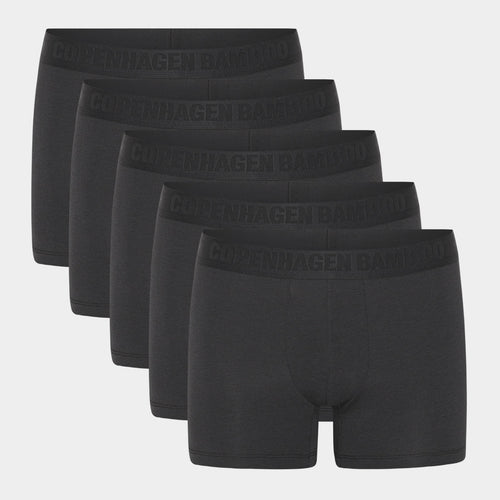
There are special types of elastane that resist chlorine and are used in swimwear for indoor pools. They are made for repeated contact with pool water. Ordinary elastane in everyday clothes is not made for it, so it is wise to keep everyday clothes away from chlorinated water. See bamboo underwear for men.
Everyday clothes and chlorine
Everyday clothes are not meant for the pool. If you wear bamboo clothing for anything other than swimming, keep it away from chlorine, including cleaning products and stain removers that contain it. If chlorine gets on a garment by accident, rinse it straight away in plenty of clean water. See bamboo long johns.
Frequently asked questions
Can you see chlorine damage
Yes. The fabric turns yellowish and loses its spring in the most exposed places, and the damage cannot be undone once it has happened.
Is there chlorine-resistant elastane
Yes, special types are used in swimwear for indoor pools. Ordinary elastane in everyday clothes is not made for chlorinated water and should be kept away from the pool.
Does it apply to salt water too
Salt is milder than chlorine, but it dries out the fibre and must be rinsed away. Rinse swimwear in clean water after a dip in the sea, and let it dry in the shade.
You can find the full range at Bamboo-Clothing.com.