What combed yarn means for a t-shirt
Short answer: Combing is an extra step in which the shortest fibres are sorted out before the yarn is spun. The result is a smoother yarn that pills less and feels softer against the skin, even after many washes.
What combing does
Before spinning, the fibres lie in a jumble of different lengths. During combing, the mass is drawn through fine combs that straighten the fibres and remove the shortest ones. Those short fibres are exactly the ones that later work their way out of the fabric as pills. Remove them first and it happens far less.
A smoother surface
A combed yarn has fewer fibre ends sticking out. That gives a smoother surface and a more even fabric that feels soft and looks neat for longer. When the fibres lie parallel, the fabric also reflects light more evenly, and the colour can appear slightly clearer than in a similar uncombed fabric.
Why it costs more
Combing removes part of the raw material, and it takes time and machinery to do it properly. More fibre is needed to make the same amount of yarn, which naturally shows in the price. In return you get a yarn that keeps its surface better, so the t-shirt looks good for longer.
Where it matters most
In t-shirts and underwear worn directly against the skin and washed often, the difference is clearest. This is where pills and a rough surface appear first, especially under the arms and along the sides where the fabric rubs. A basic t-shirt worn several times a week benefits most. See bamboo t-shirts for men.
Not always stated
Like the spinning method, whether the yarn is combed is rarely on the label. Some makers mention it in the product description, but many do not, so it is hard to judge in the shop. The difference often shows only after six months, when an uncombed t-shirt starts pilling and a combed one stays smooth.
Together with fabric weight
Combed yarn is not the whole story. A combed yarn in a light quality can last better than an uncombed one in a heavy quality, but fabric weight also affects how long a t-shirt keeps its shape. The best combination is combed yarn in a fabric dense enough to hold its form after washing.
How to feel the difference
Run your hand over the fabric. A combed fabric feels smooth and even, while an uncombed one can feel slightly drier and rougher. Hold it up to the light. An even fabric without thin and thick patches is a good sign. It is not a certain test, but it gives you a sense of quality.
Caring for a combed t-shirt
Even a smooth yarn pills if it is treated harshly. Turn the t-shirt inside out before washing, and wash it at 30 to 40 degrees with a mild detergent and no fabric softener. Avoid washing it with rough items such as jeans and towels, which wear the surface. Hang it to dry instead of tumble drying.
Read more
Combing is one of several things that separate a good t-shirt from a cheap one. Fibre length, fabric density, seams and fit also play a part, and together they decide how long the t-shirt keeps looking good. You can read more in quality t-shirt versus cheap t-shirt.
For women
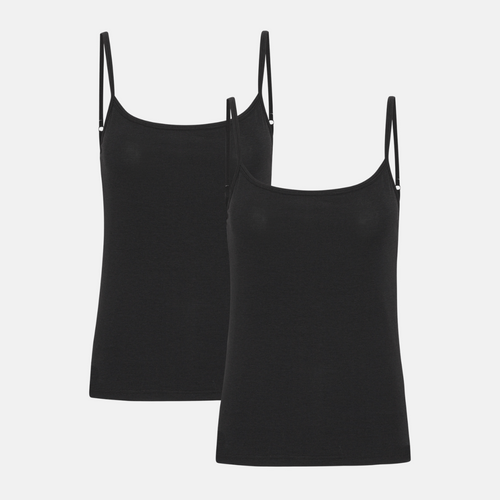
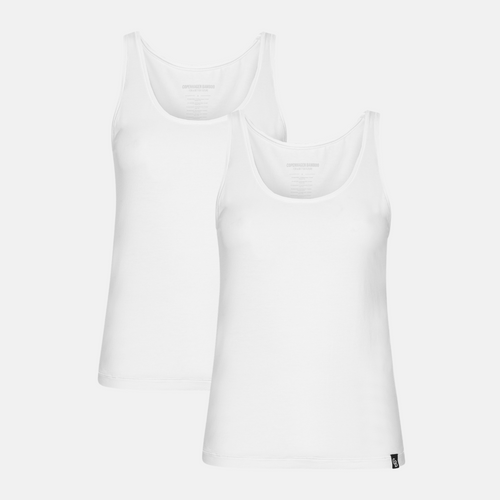
The same difference applies to women's clothing, where thin basics such as tops and vests wear out fastest. They are worn close to the body and washed often, so a smooth surface matters a lot for how they look after a year. Choose a top in a dense fabric that does not turn see-through. See bamboo tops for women.
Frequently asked questions
Does a combed t-shirt never pill?
It can. Any knitted fabric may pill over time, especially where it rubs. A combed yarn usually just pills less, because the short fibres that would otherwise come loose have been removed.
Can I tell from the label whether the yarn is combed?
Rarely. It is sometimes mentioned in the product description. Often it is only after a few months of wearing and washing that you can see how well the surface holds up.
How do I remove pills?
Use a fabric shaver and move it lightly over the surface. Do not pull the pills off with your fingers, as that can drag more fibres out of the fabric and make it worse.
See our range of bamboo t shirts for men.