What happens in the dye bath
Short answer: The fabric sits in warm water with dye, salt and a base. The heat opens the fibre, the salt drives the colour in, and the base makes the dye bond chemically. Finally the fabric is rinsed so the dye that did not bond can wash away.
Three things in one bath
A dye bath looks simple, but it has three parts that each do a job. The water must be warm, the salt must be there, and the base comes last. The order is no accident, since each part prepares the next. That way the colour sits in the fibre and not only on it when you wear the piece later.
The fibre has to open
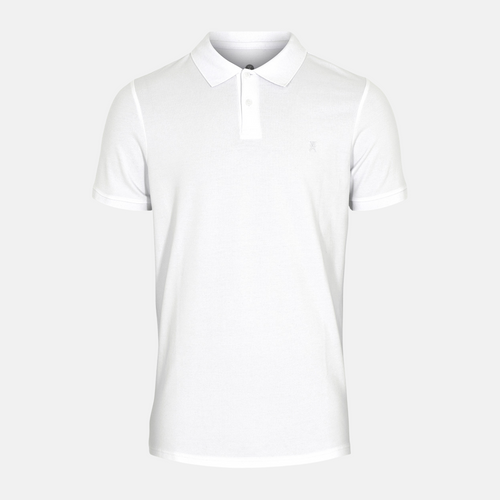
In warm water cellulose swells, and space opens between the long chains the fibre is made of. The dye can then move in rather than only sit outside. Without heat the colour would struggle to get in, leaving a thin layer that soon disappears in the wash. See bamboo polos for men.
What the swelling means
Once the fibre has swollen, a path is open to the places where the dye is meant to sit. The colour needs that path, and it is only open while the fabric is warm and wet. That is why the fabric sits in the warm bath, and why the process takes its time.
The salt pushes the colour in
Fibre and dye are both negatively charged, so they repel each other. Salt in the bath neutralises the charge, letting the dye come right up to the fibre. It is like removing an invisible wall between the two. Without salt, much of the colour would stay in the water instead of the fabric. See bamboo clothing for men.
The base locks the colour in
At the end the pH in the bath is raised, and something decisive happens. The dye forms a chemical bond with the cellulose, so the colour is no longer just close to the fibre but part of it. That bond is why the colour holds up in the wash, even after many rounds.
The bond explains the durability
Because the dye sits firmly in the fibre, water alone cannot rinse it away. That is the difference between a colour laid on top and one that is bonded, and it only shows after the first washes in daily use. See bamboo clothes for men for the full range.
Rinsing afterwards
Not all dye bonds. Some stays in the fibre without holding on, and it must be rinsed out after dyeing. That is why the fabric is rinsed thoroughly first. If residue stays, it can come out in the first washes at home, which is one reason new dark clothes should be washed separately.
How long it takes
A dyeing typically takes between one and three hours, depending on colour and machine. The time goes on letting heat, salt and base do their work in the right order. There is no shortcut, since each step needs time to act, and none can simply be skipped.
Why black costs more
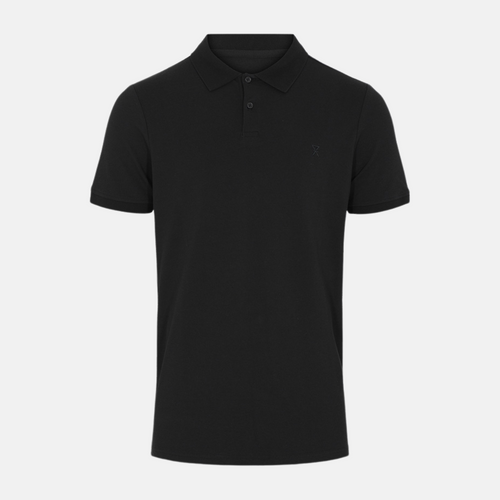
Black is more expensive to dye because far more dye is needed to reach a deep black. More dye also means more to rinse out afterwards. That is one reason the darkest colours ask most of the process, and why they deserve a little extra attention in washing and care.
Frequently asked questions
How long does a dyeing take
Typically between one and three hours, depending on colour and machine. The time goes on letting heat, salt and base work in the right order, and that is a step that cannot be skipped.
Does all the dye bond
No. Some is rinsed out afterwards, which is why the fabric is rinsed thoroughly. Dye bonded chemically to the fibre stays put, while the loose dye leaves with the water in the rinse and the first washes.
Why is black more expensive to dye
Because far more dye is needed for a deep black. That also leaves more to rinse out, so black asks more of both the dye bath and the rinsing afterwards.
You can find the full range at Bamboo-Clothing.com.