What happens to the colour in the first wash
Short answer: The first wash rinses out the dye molecules that never managed to bond. That is why the water can turn coloured without the garment having lost its real colour. Wash new dark clothes separately the first few times.
What happens in the first wash
Many people are surprised when the wash water takes colour from a brand new garment. It looks as if the clothes are losing colour, but that is not the whole truth. What comes out is a small part of the dye that never became part of the fibre and lay loose in the fabric when you took the piece out of the bag.
Leftovers from the dye house
After dyeing, the fabric is rinsed, but a small part of the unbonded dye can stay in the fibre. That is what comes out at your home. The rinsing at the factory takes most of it, but not necessarily all, and the rest leaves with the water in the first washes before the piece is stable.
It is not the same as fading
The colour in the fibre is chemically bonded and stays put. What disappears in the first wash only sat loosely. Fading is something else: a slow process over many washes, long exposure to light and wear. The first wash does not take the bonded colour, so the piece keeps its real colour. See bamboo clothing for men.
Why dark is washed separately
Wash new dark clothes alone or with other dark clothes the first few times. That way the loose dye cannot settle in light pieces. Dye in the water can land on other laundry, and a single light t-shirt in the same machine can pick up a tone it should not have. Sorting first avoids that.
How to sort
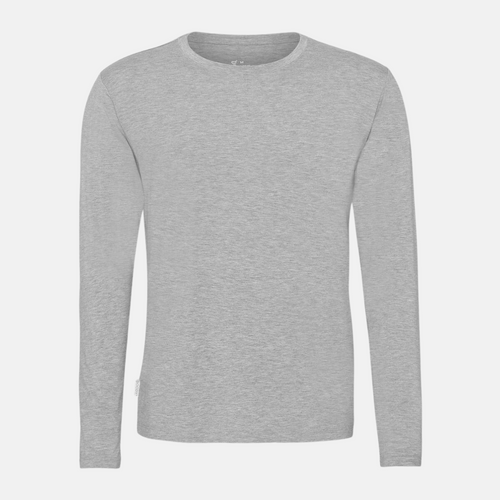
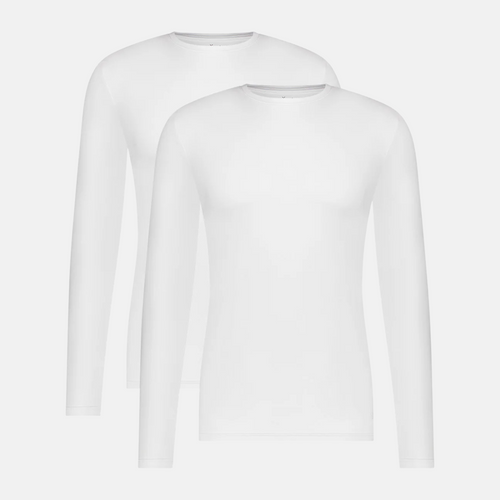
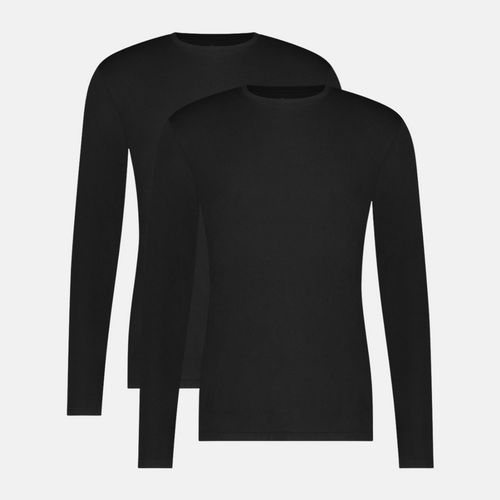
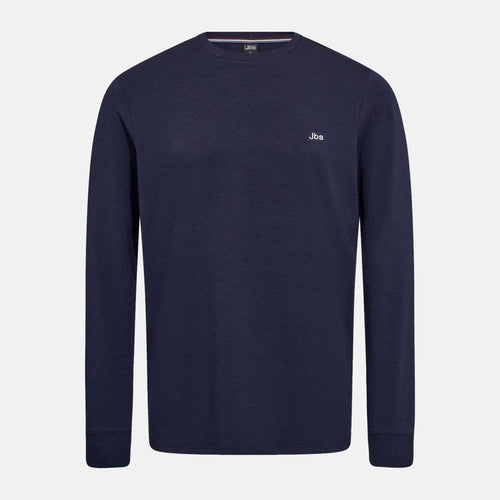
Put the new piece with clothes in similar dark colours, or wash it entirely alone if you are unsure. Light and white pieces do not belong in the first washes. See bamboo t-shirts for men and bamboo long sleeve t-shirt for men, and sort them as usual, with darks kept apart.
How many washes it bleeds
A garment typically bleeds in the first two to three washes, and after that it is stable. The number is a rule of thumb, not a guarantee, so keep an eye on the wash water. If it is still clearly coloured after three washes, wash the piece alone a few more times before mixing it with other laundry.
Is coloured water a bad sign
Not necessarily. Colour in the water is usually loose dye and says nothing about how well the rest holds. But a lot of colour in the water points to poor rinsing at the dyeing stage. If the water stays strongly coloured wash after wash, it may be worth asking the shop for advice.
Do salt or vinegar help
Salt and vinegar in the first wash are an old household tip, but the effect on modern reactive dye is limited. The bonded dye needs no help, and the loose dye leaves with the water anyway. The safest route is to wash the piece separately rather than adding something extra to the machine.
How to do the first wash
Read the label, choose the programme it advises and wash new dark clothes alone or with other dark ones. Let them dry fully afterwards. Repeat the first few times and watch the water. After that the piece is stable, and you can wash it with laundry in the same colour as usual.
Frequently asked questions
How many washes does a garment bleed
Typically the first two to three, then it is stable. Watch the wash water, and if it is still clearly coloured, keep washing the piece alone before you mix it with other laundry.
Is coloured water a sign of poor quality
Not necessarily, but a lot of colour in the water points to poor rinsing. The loose dye leaves in the first washes, and if the water stays strongly coloured you can ask the shop for advice.
Do salt or vinegar help
It is an old household tip, but the effect on modern reactive dye is limited. The safest route is to wash new dark clothes separately, so the loose dye cannot settle in other laundry.
You can find the full range at Bamboo-Clothing.com.