What hygroscopic means
Short answer: Hygroscopic means that a material absorbs moisture from the air around it. Plant-based fibres are hygroscopic, while synthetic fibres barely are. It is a property of the fibre itself, and it explains why some fabrics feel dry and even against the skin even when they hold a fair amount of water.
What the word means
The word describes materials that draw moisture from their surroundings until the fabric and the air are in balance. Cotton, linen, wool and regenerated plant fibres such as viscose are clear examples. Polyester barely is, because the fibre cannot take water into itself. It concerns what the fibre is made of, not how the garment is cut.
Moisture sits inside the fibre
A hygroscopic fibre absorbs moisture inside the fibre itself and releases it slowly when the air gets drier. That is why the fabric feels dry even when it holds some water. On a fibre that cannot absorb water, moisture stays as a thin film on the surface, and that is what you feel as clammy skin.
A more even temperature on the skin
When the fibre takes up moisture, it happens gradually, which softens quick swings in how damp and warm the fabric feels against the skin. The temperature stays more even through day and night. It is not a dramatic effect, but you can notice it in clothes that usually turn clammy after a few hours.
Where it matters most
The property makes the biggest difference in bedding and base layers, where moisture builds slowly over many hours. At night the body releases moisture all the time, and a hygroscopic fabric receives it without constantly feeling wet. One example is bamboo envelope sheets, which lie close to the skin through a whole night.
Where it falls short
With heavy sweating the fibre becomes saturated faster than it can release the moisture again, and then being hygroscopic no longer helps. The fabric must also carry moisture on to the outer surface and let it evaporate, and that depends on the knit rather than the fibre. Two garments in the same fibre therefore do not always behave alike.
Fibre and knit work together
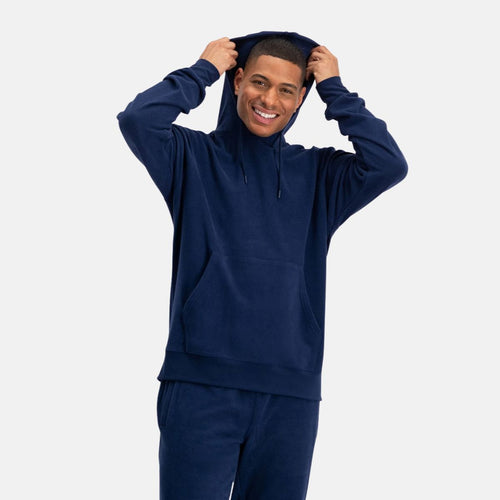
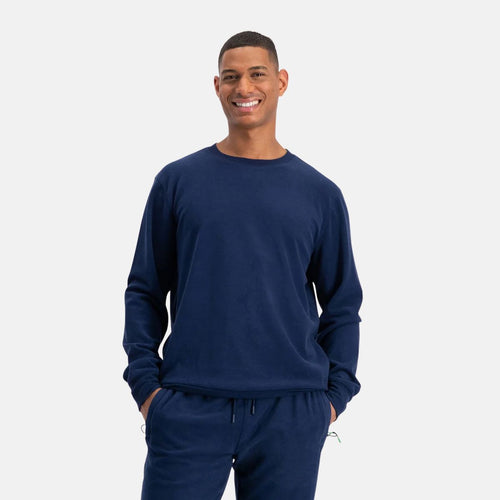
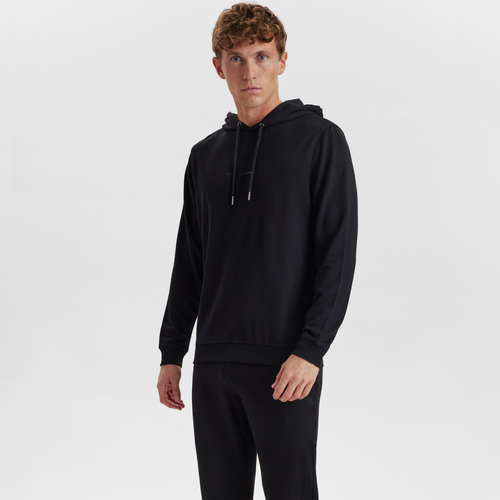
A hygroscopic fibre in a very dense knit behaves differently from the same fibre in an open knit. The fibre takes up the moisture, and the knit decides how fast it can move outward. For training and active days it is worth checking both material and construction, as with a bamboo jogging suit for men.
Everyday clothes and hygroscopic fibres
In ordinary everyday clothing, sweating is rarely so heavy that the fibre becomes saturated. Here the property comes into its own, because moisture from the skin is received and released again at a calm pace. If you want to see more of it, browse bamboo clothing for men and compare the materials.
Is hygroscopic the same as breathable
No, and the two words are often mixed up. Hygroscopic describes the fibre and its ability to absorb moisture. Breathable describes how easily air and vapour pass through the fabric as a whole. A fabric can be made of a hygroscopic fibre and still be tightly woven, so it breathes less than you expect.
Using this in everyday life
Check the fibre name on the label and choose plant-based fibres when you want clothes or bedding that feel dry in calm situations. For hard training, also judge the knit and the fit. Wash by the care label and let everything dry fully, so the fibre is ready to absorb moisture again next time.
Frequently asked questions
Is hygroscopic the same as breathable
No. Hygroscopic describes the fibre's ability to absorb moisture, while breathable describes how easily air and vapour pass through the whole fabric. A dense knit can therefore breathe less despite a hygroscopic fibre.
Is bamboo viscose hygroscopic
Yes, like other plant-based fibres. It absorbs moisture inside the fibre and releases it slowly, so the fabric feels dry against the skin.
Does that make the fabric feel wet
No. The moisture sits inside the fibre and is barely noticeable on the surface, unless very heavy sweating saturates the fibre.
You can find the full range at Bamboo-Clothing.com.