What is regenerated fibre in clothing
Short answer: What is regenerated fibre? It is a fibre made from natural cellulose, often from wood or bamboo, which is dissolved and spun into a new thread. Viscose is the best-known example. The result is a soft fabric that is made by people, but starts from a plant.
What is regenerated fibre in plain words
What is regenerated fibre, in plain words? Take a natural source that contains cellulose, such as wood pulp or bamboo, break it down into a liquid, and push it through fine nozzles to form new threads. The threads are then spun into yarn and woven or knitted into fabric.
The steps from plant to thread
The plant material is first turned into pulp, then dissolved and pressed through small holes into a bath where it hardens into filaments. Those filaments are cut or kept long, spun into yarn and knitted into fabric. The process changes the shape of the cellulose, which is why it feels so different from the plant it came from.
Where bamboo fits in
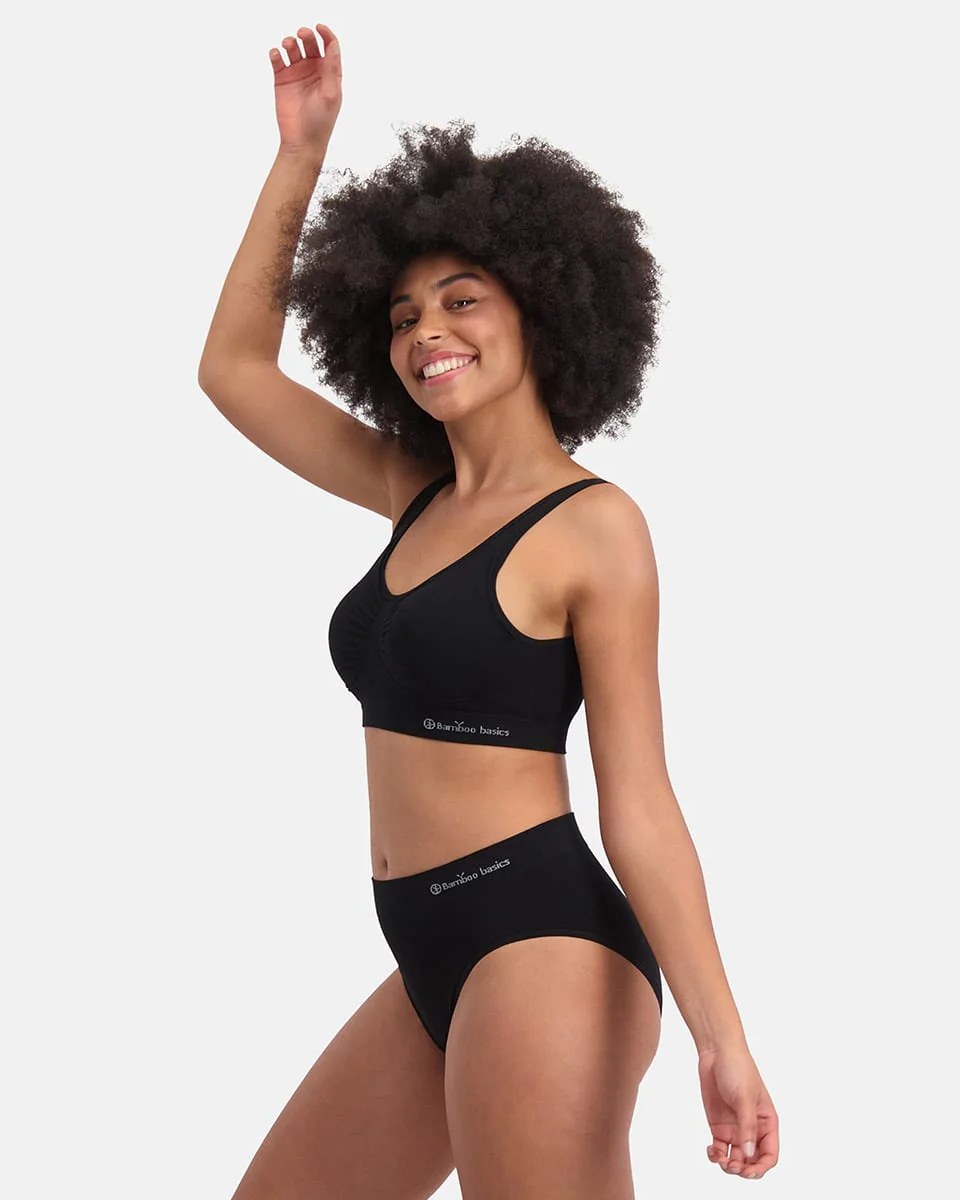
Bamboo in clothing is viscose made from bamboo, which means the plant is the starting material and not the finished fibre. That is why you will not find a raw, woven plant stem in your T-shirt. See how this works in practice with bamboo clothing for women, where the fabric is soft and smooth.
How regenerated fibre differs from natural and synthetic
Cotton and linen are natural fibres used almost as they grow. Polyester and nylon are synthetic, built from chemicals. Regenerated fibre sits between the two: it starts from a natural plant but is rebuilt into a new thread. Knowing the difference helps you read a care label and understand how the fabric behaves.
How it feels and behaves when worn
Regenerated fibres are often described as smooth, soft and cool against the skin, with a flowing fall. They can absorb moisture well, which many people notice on warm days. The fabric can also feel fragile when wet, so it is wise to treat it gently and follow the care label.
Caring for regenerated fibre garments
Wash at a moderate temperature on a gentle programme and avoid wringing the fabric, since wet fibres are more delicate. Dry flat or hang up the garment, away from strong heat. A bamboo dresses piece, for example, keeps its drape longer when you skip the tumble dryer and press only at a low setting.
How to read the label when you shop
Look for the fibre names on the label: viscose, rayon, modal or lyocell are all regenerated cellulose fibres. If the label shows bamboo, it usually refers to viscose from bamboo. Pair a soft piece such as a bamboo T-shirt for women with the care advice on the tag for the best result.
Frequently asked questions
Is viscose a natural or a synthetic fibre?
It sits in between. Viscose starts from natural cellulose, but the material is dissolved and rebuilt into a new thread, so it is neither a raw natural fibre nor a fully synthetic one.
Is bamboo clothing made from raw bamboo?
No, bamboo in clothing is usually viscose made from bamboo. The plant is used as the source material, and the fibre is made through a process that turns it into a thread.
Can I wash regenerated fibre in a machine?
Usually yes, on a gentle programme and a moderate temperature, but always check the care label. Avoid high heat and wringing, because wet fibres are more fragile.