What is written beyond the symbols
Short answer: Beyond the symbols the label lists fibre content, size, country of production, the maker's name or number and often a batch number. Some labels also have a short text with advice. The maker must be traceable, so the item can be followed back if something is wrong.
Fibre content shows what it is made of
The fibre content shows how large a share of the garment is bamboo viscose, cotton or elastane, for example. The figures are given in percent and help with care, because fibres behave differently in water and heat. Comparing two items, this is where you see how different they really are, whatever the name or look.
Size is on the label
The size appears as a letter, a number or both and can vary between makers. Treat it as a guide rather than a certainty, and check the measurements of the specific item if in doubt. If you removed the label because it scratches, note the size somewhere so you can find it again later.
The country of production
The label shows where the garment was made, often as a country or a short phrase such as Made in. It is information for you as a buyer and a duty for the maker. The country tells you where the piece was sewn, but not necessarily where the fabric was made, which is worth remembering when you read it.
The maker must be traceable
A name or mark must be given so the item can be traced to a responsible company if something goes wrong. It may be a company name, a registration number or a brand. For you as a customer it is a safeguard, because it shows someone stands behind the product. See our bamboo dressing gown for men.
The batch number is technical
A row of numbers or letters with no obvious meaning is often the batch number. It is used for tracing, so the maker can find out when and where a particular series was produced. You need not do anything with it day to day, but leave the label in if you may later complain or ask about the garment.
The text is an addition
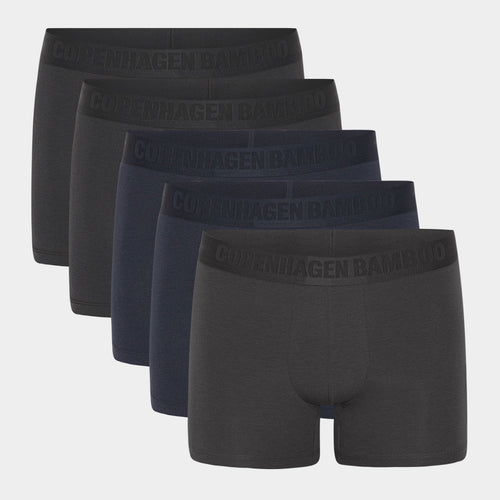
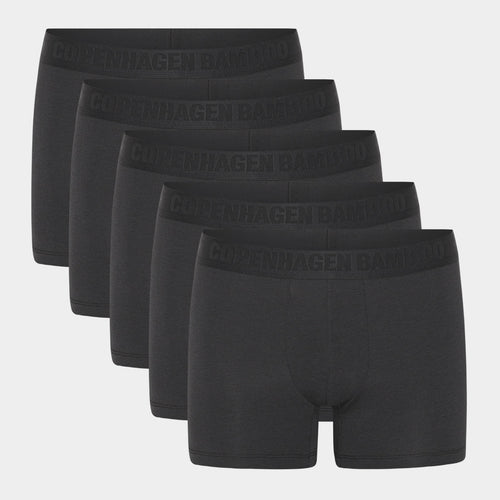
Advice such as wash with similar colours appears as text because no symbol exists for it. Such a line is usually written by the maker to add something that matters for this garment. Read it as seriously as the symbols. Also see bamboo envelope sheets and bamboo underwear for men, where the label shows both.
Several languages on the label
The same item is sold in many countries, and the label must work everywhere. So the text is often in several languages, set in small blocks that can look confusing. Find the section in your language and read only that. The fibre content must be in the language of the country where the item is sold.
If the label is unreadable
If the label fades or the text breaks up, you can still find the details. The maker must be able to give the same information, and the shop can help find it. Take a photo of the label while it is still legible so you have the details to hand, especially for gifts without a receipt.
Using the information
Read the care symbols first, because they decide how you wash. Then look at the fibre content, which explains why the advice is what it is. Keep the maker details and batch number in case a problem arises later. If a label seems opaque, ask the shop, who can help explain it.
Frequently asked questions
Must all the information be in English
The fibre content must be in the language of the country where the item is sold. Other details can appear in several languages, which is normal, so you can simply read the part of the label written in your own language.
Why are there several languages on the label
Because the same item is sold in many countries and the label must work everywhere. That is why the text appears in several versions, and you only need to read the one in your language.
What if the label is unreadable
The maker must be able to give the same information, and the shop can help find it. Best to photograph the label while it is legible, so you have the details if you need them later.
You can find the full range at Bamboo-Clothing.com.