What it costs to replace as you go
Short answer: Replacing gradually means a small fixed expense each quarter instead of a large one every other year. Overall the amount is the same, but it is far easier to plan, and the drawer is never empty all at once.
How it works
When a garment is worn out, you buy a new one. Not before and not more. Over a year that becomes a few purchases spread evenly instead of one big trip where everything is bought on the same day. The principle is simple and only requires that you notice the wear in time.
What you gain
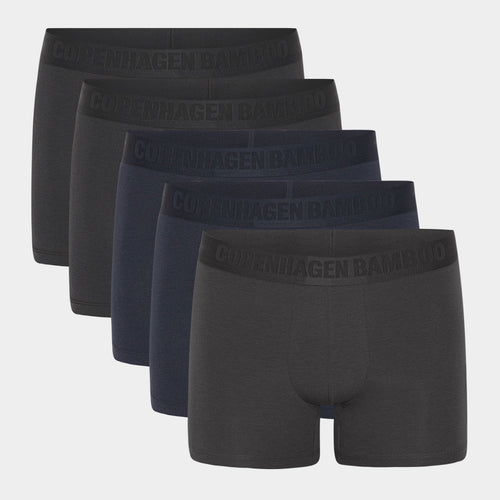
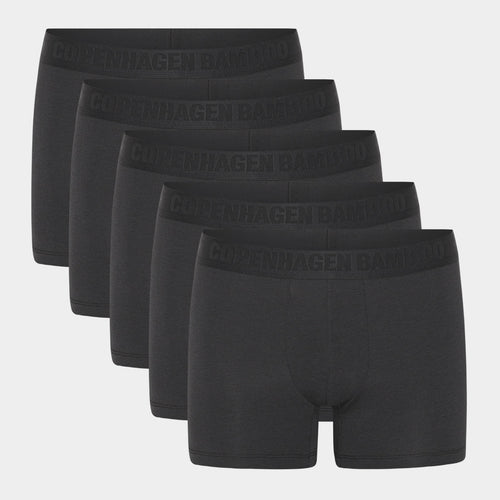
The drawer is never empty, and you always have something new and something broken in. The rotation is never worn evenly, because the pieces are different ages. You also avoid one large purchase suddenly straining the budget in a month that already has other expenses. See our bamboo underpants for men.
What it costs in practice
Overall the expense is the same as with one large replacement every two years. The difference is timing. Instead of one large amount at once, you pay a little at a time, and that is often easier to fit into a monthly budget than saving up for a large order.
What you need to keep track of
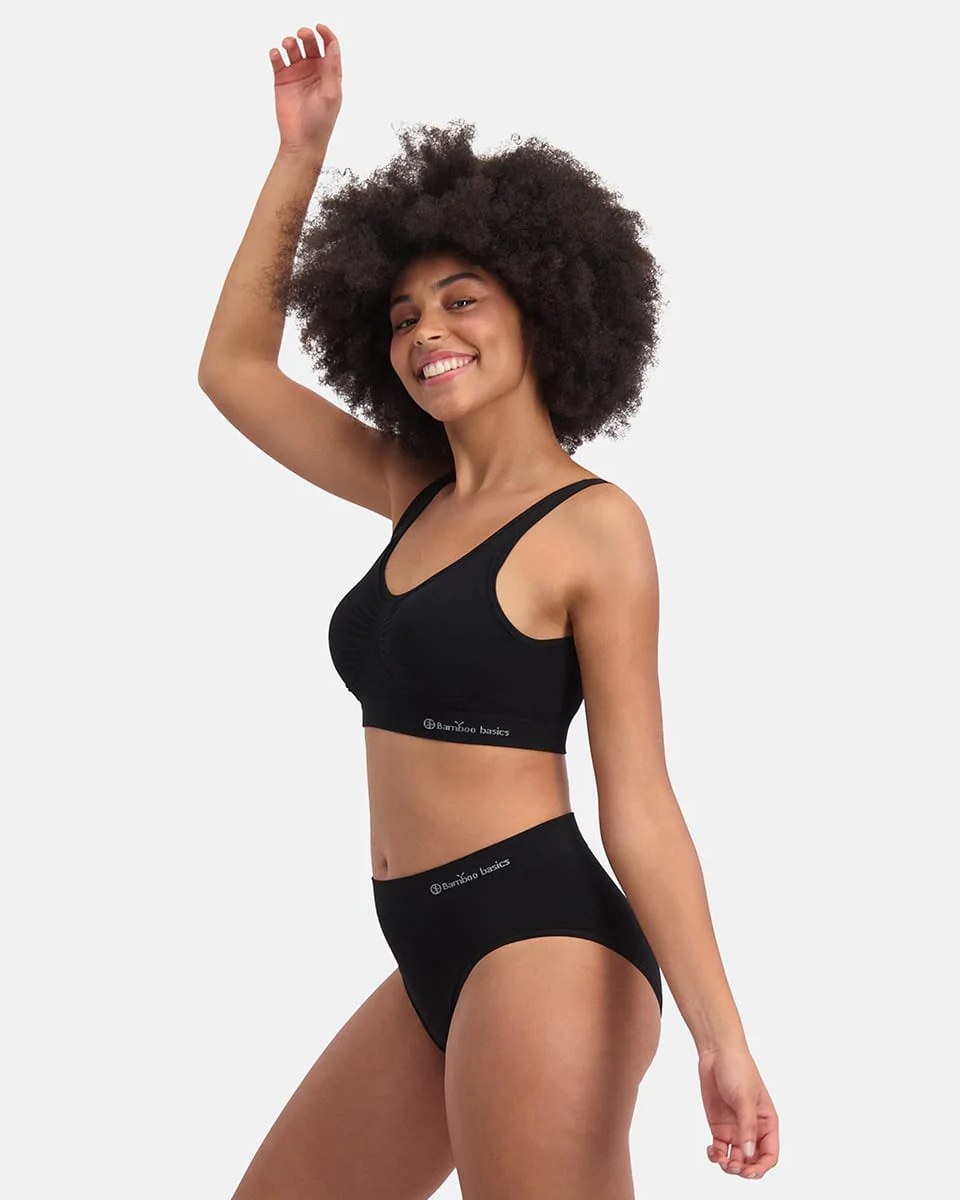
Which brand and which size works. Write it in the notes on your phone, and a reorder takes about thirty seconds. That way you avoid guessing and avoid ordering something that does not fit because you forgot what you bought last. See our bamboo sports bra and keep the same kind of note for it.
How you know when something needs replacing
Look for signs: the fabric has become thin, the elastic no longer springs back, or the seam has started to open. Those are the clearest signals that a garment is finished. If you can see light through the fabric or the waistband no longer holds, it is time for a new one, even if nothing has actually broken.
Does it get more expensive per item
A little, because you buy multipacks less often, where the price per item is often lower. In return you only buy what you are missing, and never sit with clothes you do not wear. For many, the extra price is worth it because it gives a better overview and fewer wrong purchases. See also sweatwear.
How to combine the two methods
The methods do not exclude each other. Buy multipacks once a model is tested and you know it fits, and replace gradually afterwards as the oldest pieces wear out. That way you get both the lower price per item and the even rhythm that makes purchases easy to survey.
Start with what wears fastest
Begin with the categories used most often, such as underwear and socks. They wear out first, and here you feel the benefit of an even rhythm most clearly. Clothes used less often can wait longer. You do not need to plan the whole wardrobe, only the part that most often needs renewing.
Keep the rhythm simple
Pick a fixed occasion, for example the start of each quarter, when you look through the drawer. Five minutes is enough to see what is worn and what needs buying. Then reordering becomes a habit instead of a chore, and it does not pile up into one large and costly trip.
Frequently asked questions
Does it not get more expensive per item
A little, because you buy multipacks less often. In return you only buy what you are missing, and rarely have clothes lying around that you do not wear.
How do you know when something needs replacing
When the fabric has become thin or the elastic no longer springs back after washing and use, the garment is usually finished and should be replaced.
Can you combine the two methods
Yes. Buy multipacks once a model is tested and replace gradually afterwards, so you get both a lower price per item and an even rhythm of purchases.
You can find the full range at Bamboo-Clothing.com.