What lies behind the price of underwear
Short answer: The price is made up of yarn quality, stitching, quantity and how many links sit between factory and customer. The material alone rarely explains the difference, and most people look at the wrong thing when comparing two prices.
The yarn is the first cost
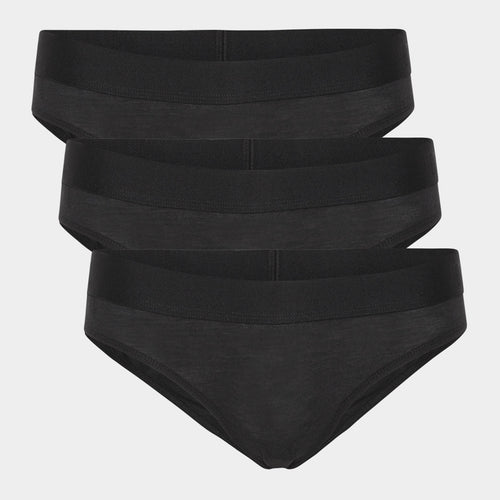
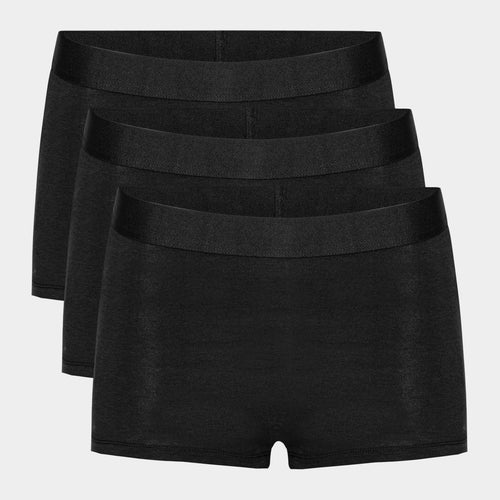
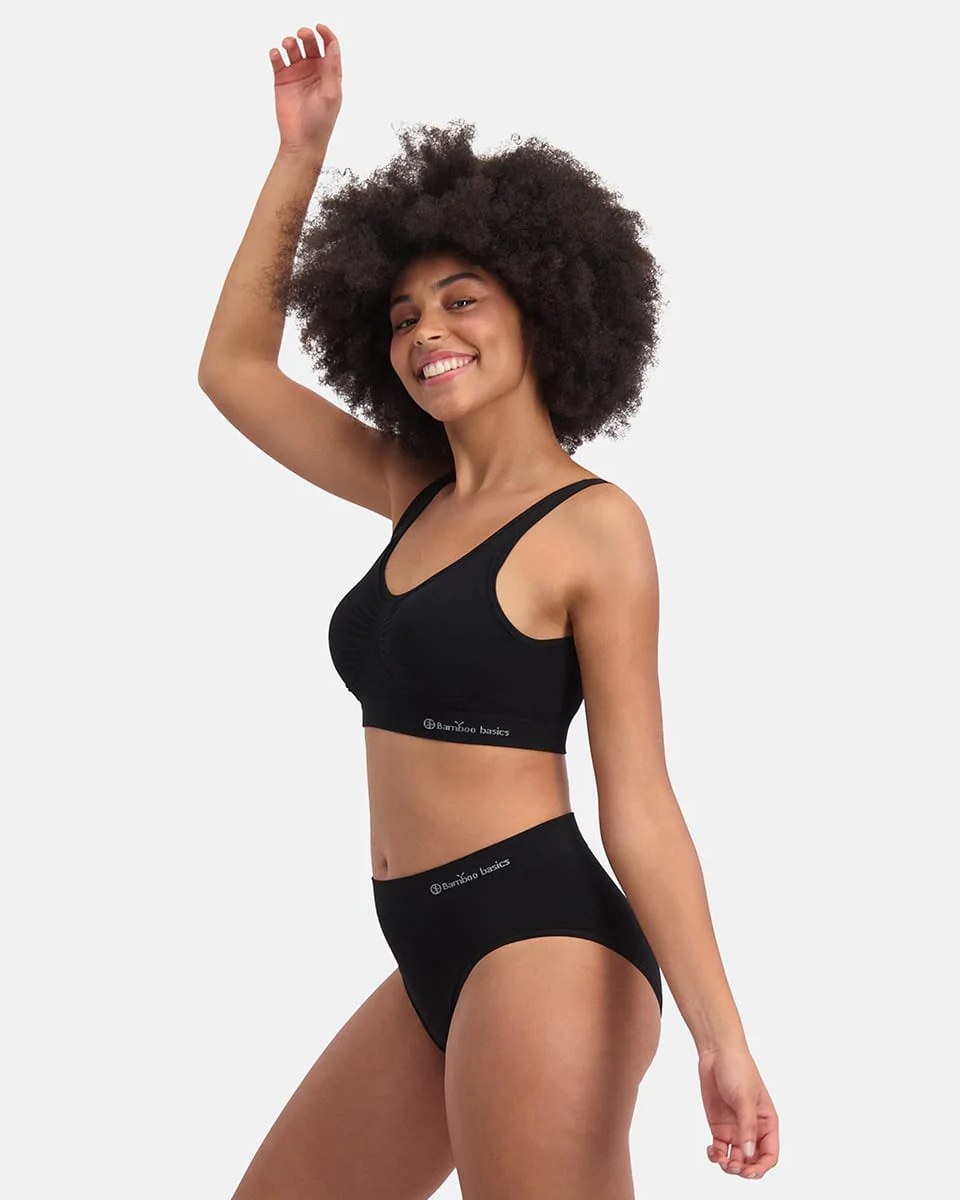
Finely spun yarn costs more to produce and gives a smoother fabric. See bamboo underwear for women and feel the difference yourself between a fine, even yarn and a coarser one that feels rough against the skin.
The stitching is the second
Flat seams need special machines and more time at every single edge. See bamboo panties and this shows up directly in the price, because machine time and training seamstresses cost more than ordinary seams do.
Number of links in the chain
Every middleman adds to the price without necessarily making the item any better. See Copenhagen Bamboo and notice that fewer links often means more quality for the same money when you compare brands.
Quantity and planning
Large runs are cheaper per piece, because the machines run longer at a time without changeover. See bamboo t-shirts for men and that is why basics cost less than seasonal items made in smaller batches.
The elastic's quality matters too
Cheap elastic loses its stretch after a few washes, while a better quality keeps its shape far longer. It is a small detail rarely mentioned, yet it decides how long a piece of underwear stays genuinely usable.
Dyeing has its own price
Plain fabric is cheaper to dye than patterned collections, because the process is simpler and needs fewer adjustments along the way. That is part of why simple designs are often cheaper than patterned alternatives.
Certification adds to the price
Certified factories pay for inspection and documentation of working conditions and chemicals. That expense gets added onto the price, but it also gives some assurance of how the item was actually made.
Transport plays a smaller role
Freight from factory to warehouse is often only a small part of the total price, regardless of how far the item has traveled. Transport rarely explains a large price gap between two otherwise similar products.
How to read the price best
Look at the seams, the yarn's density and the elastic's stretch before you look at the price tag alone. Those three things say more about what you are actually paying for than the brand name or packaging ever could.
Frequently asked questions
Why do two identical t-shirts cost different amounts?
Yarn quality, stitching and the number of links between factory and customer explain most of it. Two items can look the same on the shelf yet be made under very different conditions behind the scenes.
Does a high price always mean high quality?
No. But a very low price almost always means a compromise somewhere in the chain, whether in the yarn, the stitching or the working conditions at the factory that made it.
What can you spot with the naked eye?
The seams and how the elastic is stitched in place. Those are the two clearest signs of quality you can check yourself in the store, without knowing anything about the production behind the item.
See our range of Boody underwear.