What lyocell means on a label
Short answer: Lyocell is a manufactured fibre made from plant pulp like viscose, but produced in a closed loop where the solvent is reused. Here we look at the difference, how the fabric behaves and where you meet it on a label.
What lyocell is
Lyocell is a fibre made from plant pulp, just like viscose. The pulp is dissolved, formed into threads and spun into yarn, which is then knitted or woven into fabric. The fibre does not exist in nature as such, but is made from a natural raw material in a factory, and it often shares the label with other fibres.
How it differs from viscose
The raw material itself can be the same. The difference lies in the making, where lyocell uses a solvent in a closed loop, so it can be collected and used again instead of being used once. It is the way the fibre is made that separates the two, not the plant the pulp comes from.
How the fabric behaves
Lyocell is a little stronger than viscose, even when wet, and it drapes well. The fabric absorbs moisture and feels soft against the skin. That does not make it indestructible, so washing and storage still matter for how long a garment keeps looking good in daily use.
How it feels on the skin
Some people find lyocell slightly cooler against the skin than other viscose, and many find it smooth and calm. The feeling depends on the knit, the blend and the wearer, so treat it as a tendency and not a promise. It is worth trying a single piece first.
Where you meet it
Lyocell is used in t-shirts, underwear and bed linen, often blended with other fibres. A blend can bring softness, strength and stretch to the same piece. That is why it pays to read the full fibre content on the label and not only look at the one fibre name that is listed first.
How to wash lyocell
Lyocell can usually be machine washed at 30 degrees, but always read the label, because the blend can change the advice. Use a mild detergent and avoid high heat in the dryer if the symbol does not allow it. Lay the piece flat or hang it to dry so it keeps its shape longer.
Lyocell and Tencel
Tencel is a trademark for lyocell from one specific producer. If a label says Tencel, it is lyocell, but not all lyocell is called Tencel. The fibre is the same type, and the word lyocell describes how it is made. The trademark tells you who made it.
Price and production
Lyocell is often a little more expensive than viscose because the production is more complicated. A closed loop needs more equipment than a simple process, and that can show in the price. It does not alone say how good a single garment is, so always look at the whole item and not only the fibre name.
Where to find it with us
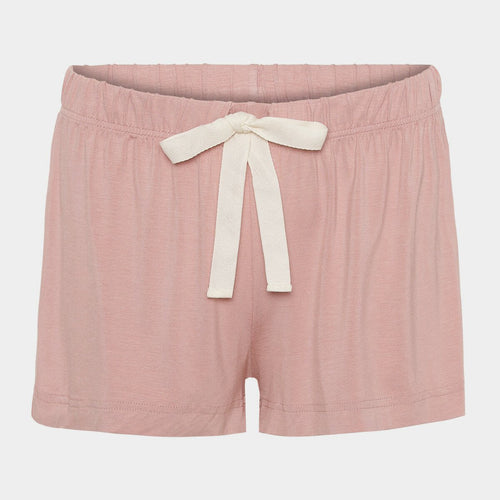
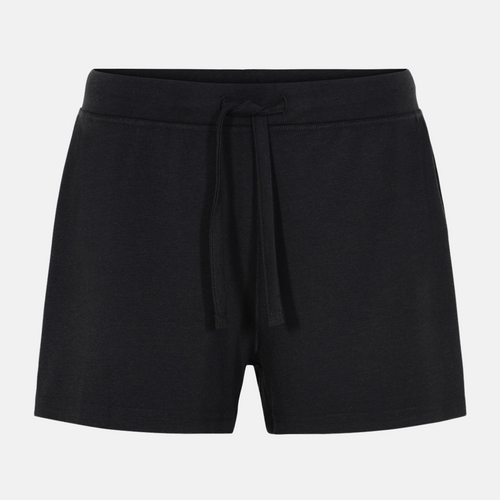
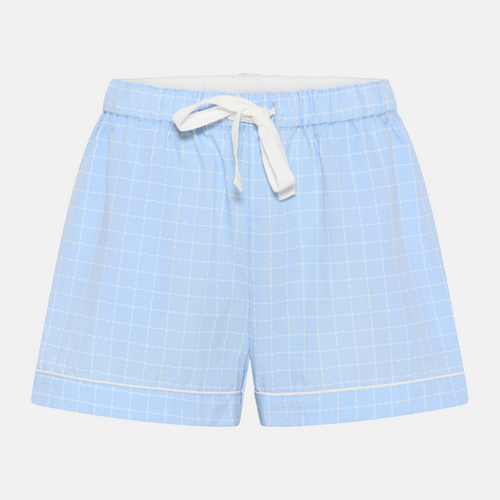
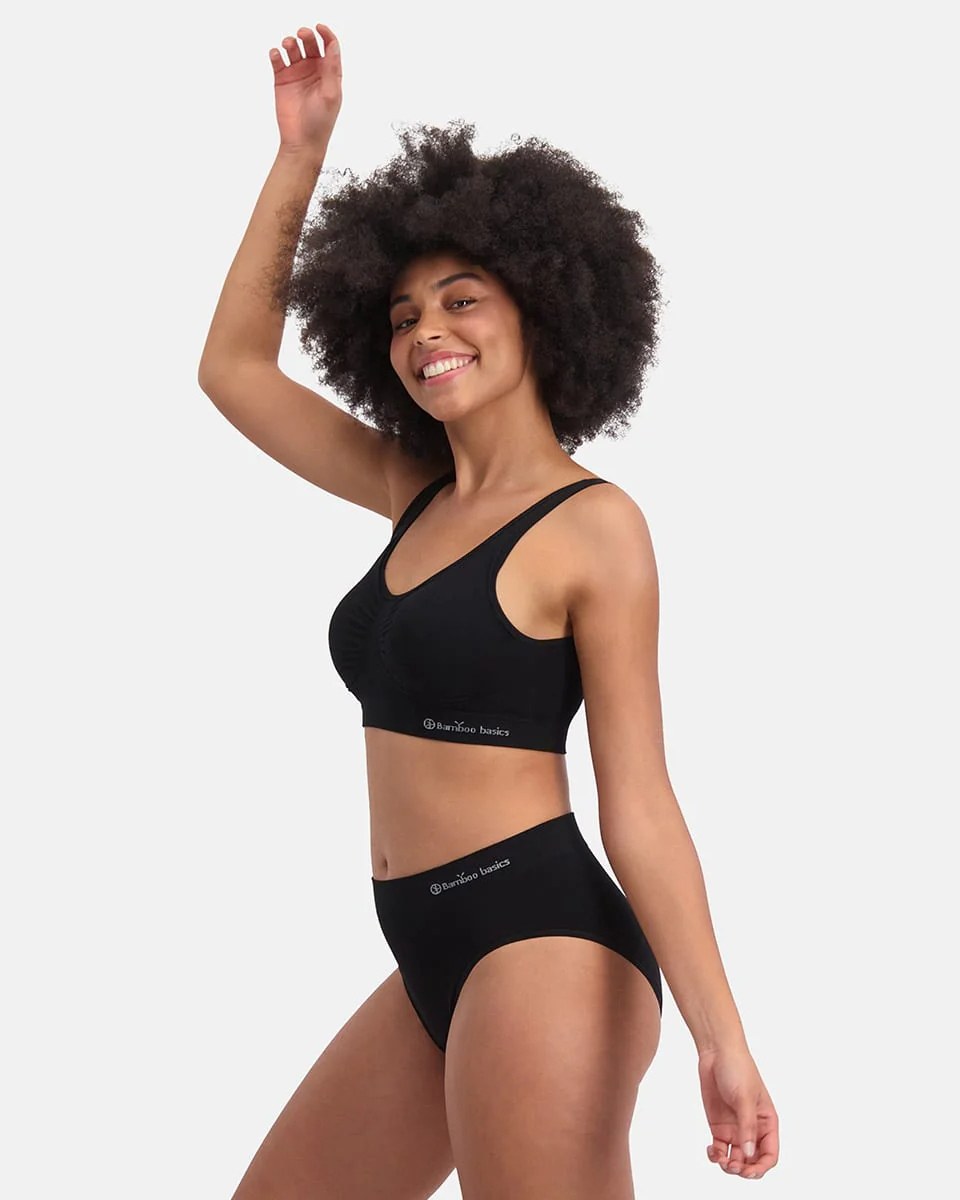
Browse bamboo clothing for men and bamboo shorts for women, and take a look at the bamboo fitted sheets for the bed. Fibre content is listed on every item, so you can see which fibres are in it and how they are blended with others.
Frequently asked questions
Is lyocell the same as Tencel
Tencel is a trademark for lyocell from one specific producer. All Tencel is lyocell, but not all lyocell is sold as Tencel, and the fibre is best described with the word lyocell.
Can lyocell be machine washed
Usually yes, at 30 degrees. Always read the label in the individual piece, because the blend with other fibres can change the advice, and follow the symbols if they say something different here.
Is lyocell more expensive than viscose
Often a little, because the production is more complicated and uses a closed loop. The price also depends on the blend, the knit and the garment itself, so the fibre name alone does not say everything.
You can find the full range at Bamboo-Clothing.com.