What makes a yarn smooth or rough
Short answer: It comes down to fibre length, twist and finishing. Long fibres, tight twist and a singed or polished surface give a smooth yarn, while short fibres and loose twist give a rough one.
Three things decide how yarn feels
When you run your fingers over a fabric, you feel the surface of the yarn. It is set by three things: how long the fibres are, how tightly they are twisted and how the yarn is treated after spinning. Know those three and you can explain why two similar yarns feel so different.
Length decides the number of ends
Short fibres have many ends per metre of yarn, and each end sticks out a little. On the skin it feels like roughness. Long fibres have fewer ends, so the surface lies more evenly. That is why fibre length matters so much for whether a yarn feels soft or scratchy.
Twist closes the surface
A tightly twisted yarn keeps the ends inside the yarn rather than on the surface, so it feels smooth and firm. A loosely twisted yarn lets the fibres stick out, so it feels airy and fuzzy. Have a look at bamboo socks for women if you want to feel knitwear.
Finishing can remove the ends
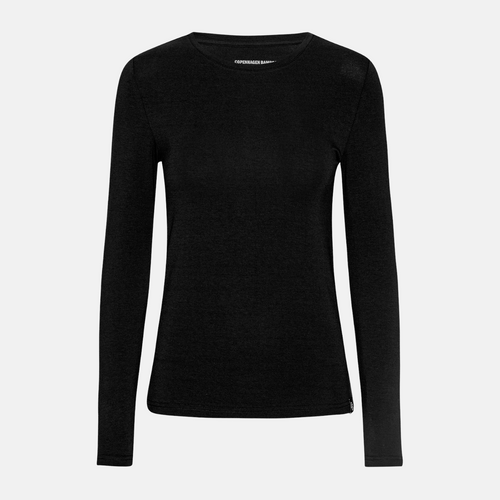
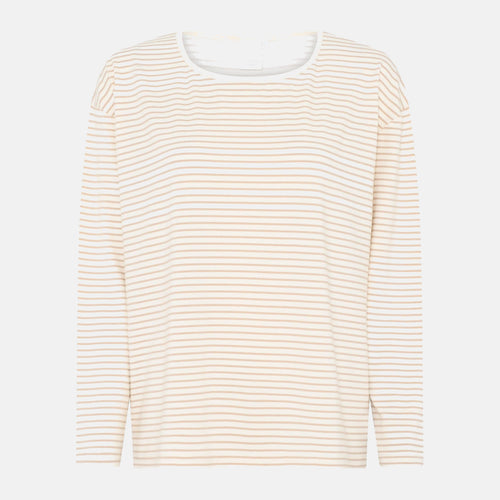
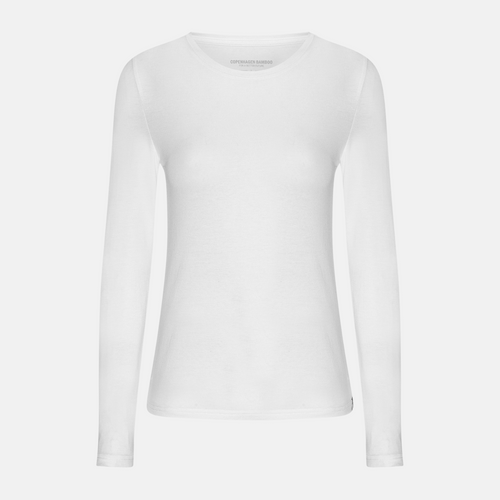
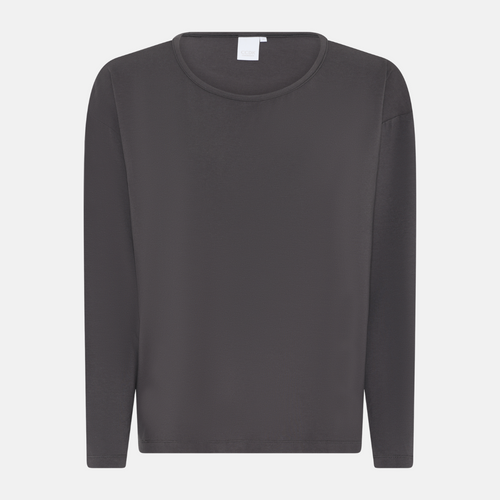
Some yarns are passed through a flame or polished so the outermost ends are removed and the surface evens out. It takes extra work in production, but the result is a yarn that feels smoother and is less fuzzy. See bamboo t-shirts for women and women's long-sleeved bamboo t-shirts.
Is smooth always better
No. A smooth yarn feels good on the skin and looks even, but a rough yarn has strengths too. It can give more insulation because the small ends trap air, and it gives the fabric more texture. What is best depends on what you need it for.
Does smooth yarn turn rough over time
Often a little. Wear frees new fibre ends, and they stick out at the surface after many washes and long use. You usually see it as pills or a light fuzz. Gentle washing, a low programme and little tumble drying can slow this, so the surface lasts longer.
How to feel the difference
Pull the yarn or fabric between two fingers and notice whether it catches on the skin. A smooth yarn glides easily, while a rough one slows slightly. Also run your palm along the fabric, or the inside of your forearm where skin is more sensitive, and differences become easier to notice.
Thickness and twist go together
A thick yarn can be smooth, and a thin yarn can be rough. It is the build, not the thickness, that decides. So you cannot judge a fabric by eye alone. Feel it, and read how the yarn is made, and you will know what you are getting.
Watch the surface after buying
Check the fabric when it is new and again after a few washes. Note whether the surface gets fuzzier and where. It is often where there is rubbing, such as the inside of the arms and the seams. That gives you a good picture of how the yarn copes in daily life.
Frequently asked questions
Is smooth always better
No. Rough yarn can give more insulation and a different character in the fabric. It depends on what you need the garment for and how you like it to feel.
Does smooth yarn turn rough over time
Often a little, because wear frees new fibre ends at the surface. Washing gently on a low programme slows it, so the yarn keeps its surface for longer.
Can I feel the difference
Yes. Pull the yarn or fabric between two fingers and notice whether it catches on the skin. Smooth yarn glides easily, while rough yarn slows slightly and feels drier.
You can find the full range at Bamboo-Clothing.com.