What moisture transport means
Short answer: Moisture transport is a fabric's ability to move sweat away from the skin and out to the surface, where it can evaporate. That is different from absorbing moisture. Here is how the two work, what you feel and where it matters most.
What moisture transport is
Moisture transport is a fabric's ability to move sweat away from the skin and out to the surface, where it can evaporate. That is different from absorbing moisture, even though the two words are often used loosely. The difference can be felt when you sweat, and it is worth knowing when you choose clothes.
The two ways fabric handles moisture
Either the fibre takes the moisture into itself, or the fabric leads the moisture along the fibres to the outer surface. The first holds on to the moisture, the second sends it out. Many fabrics do both to some degree, and the balance decides how the fabric feels when you are warm.
When the fibre absorbs
Some fibres can take up a share of moisture inside the fibre itself. That can feel pleasant with a little sweat, because the skin quickly becomes dry. But the moisture stays in the fabric until it slowly evaporates, and if there is a lot of it, the fabric can become heavy and cold against the skin, especially when you stop moving.
When the fabric leads it on
With transport, the moisture does not stay in the fibre but moves along it to the surface. There it can evaporate, and that is what keeps the skin dry. It works best in a thin fabric that lies close to the skin, so the moisture can move on without being stopped by a thick layer.
What you feel
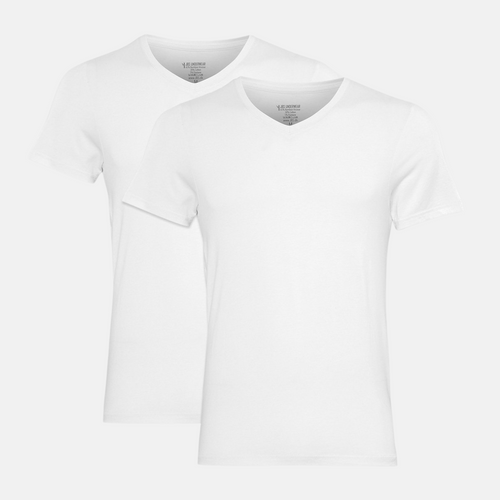
A fabric with good moisture transport feels dry against the skin even when you sweat. A fabric that only absorbs feels heavy and clammy once it is saturated. You notice the difference most during exercise, on warm days or after a long day. See bamboo loungewear for men.
Why cotton gets heavy
Cotton absorbs a lot of moisture and passes it on slowly. That is why a cotton shirt quickly feels heavy and clammy when you have sweated in it, and it takes a long time to dry. That is not a flaw in cotton, but a property that suits some purposes well and others poorly.
Where it matters most
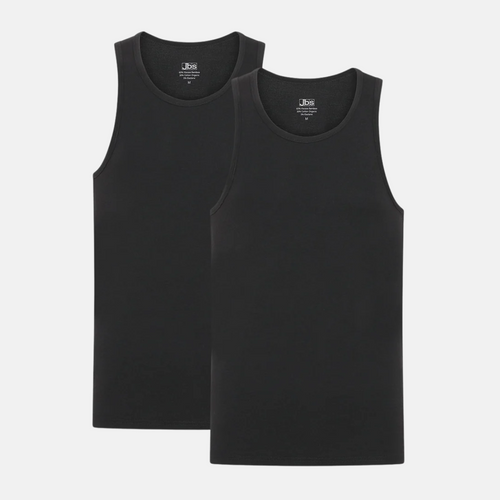
In the layer against the skin. It is the layer that has to deal with the sweat first, and so the difference matters most here. Outer layers such as hoodies and sweatshirts matter less, because they do not lie directly against the skin. See sweatwear and bamboo undershirt for men.
The base layer should fit close
Yes. The moisture is only moved on if the fabric touches the skin. A base layer that hangs loose cannot draw the moisture in and pass it on, because there is air between fabric and skin. So choose a size that fits close without pulling if you want to benefit from the fabric's properties.
What is best in practice
A blend. Absorption works with a little sweat, transport with a lot. So there is no single fabric that is best for everything, and the right choice depends on what you need the clothes for. In ordinary daily life, a good mix of both is usually the most comfortable.
Frequently asked questions
What is best in practice?
A blend. Absorption works with a little sweat, transport with a lot. The right choice depends on what you need the clothes for and how much you typically sweat.
Why does cotton get heavy?
Because it absorbs a lot of moisture and passes it on slowly. That is why cotton quickly feels clammy and heavy after sweating, and it takes a long time to dry.
Should the base layer fit close?
Yes. The moisture is only moved on if the fabric touches the skin. A loose base layer has air between fabric and skin, so choose a size that fits close.
You can find the full range at Bamboo-Clothing.com.