What single jersey means
Short answer: Single jersey is the simplest kind of knit, with a smooth front and a different texture on the back. It is the fabric most t-shirts are made from. Here we look at how it is knitted and what it means day to day.
What single jersey is
Single jersey is the simplest kind of knit. The fabric has a smooth front and a different texture on the back, and it is the fabric most t-shirts are made from. The name says something about the build, and it is one of the first words you meet when you start reading about knits and fabrics.
How it is knitted
Single jersey is knitted with a single row of needles, so all the stitches face the same way. That is why the front is smooth and the back looks like small arcs. The fabric is thin and uses relatively little yarn. The build is simple and gives a soft, light fabric that drapes nicely on the body.
How it behaves
Single jersey is light and airy with good drape. On the other hand, the edges curl when the fabric is cut, which is why every edge has to be sewn. The fabric gives with the body and feels effortless to wear. See bamboo tank top for men, where a light knit is an advantage.
Why the edges curl
The edges curl because the two sides of the knit pull differently. Front and back are not built the same, so the fabric likes to roll toward one side. It is not a fault, but a property of the knit. That is why the maker sews the edges, and you see a seam at neck, sleeves and hem.
Where you meet it
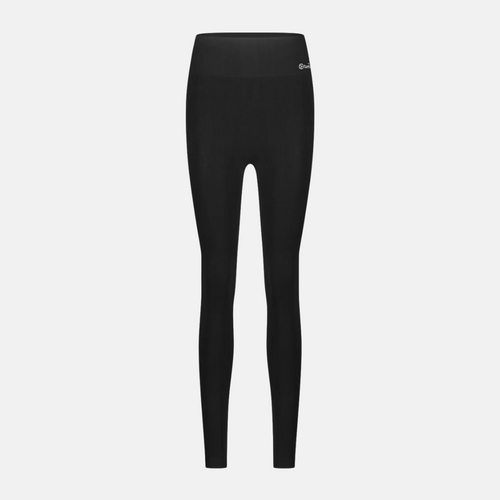
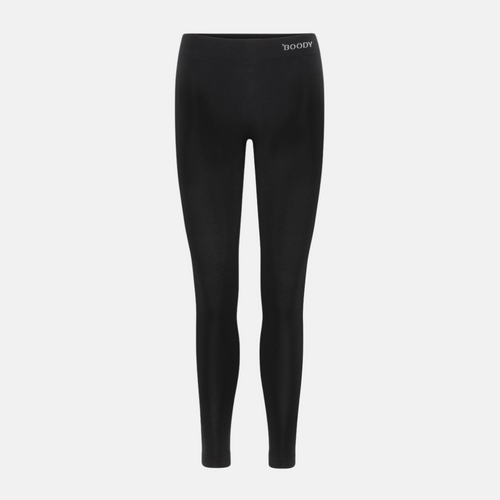
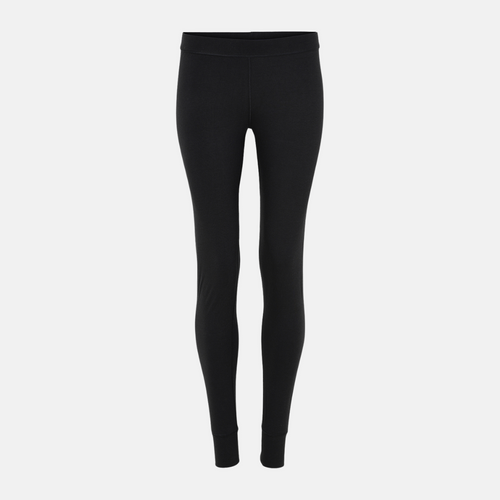
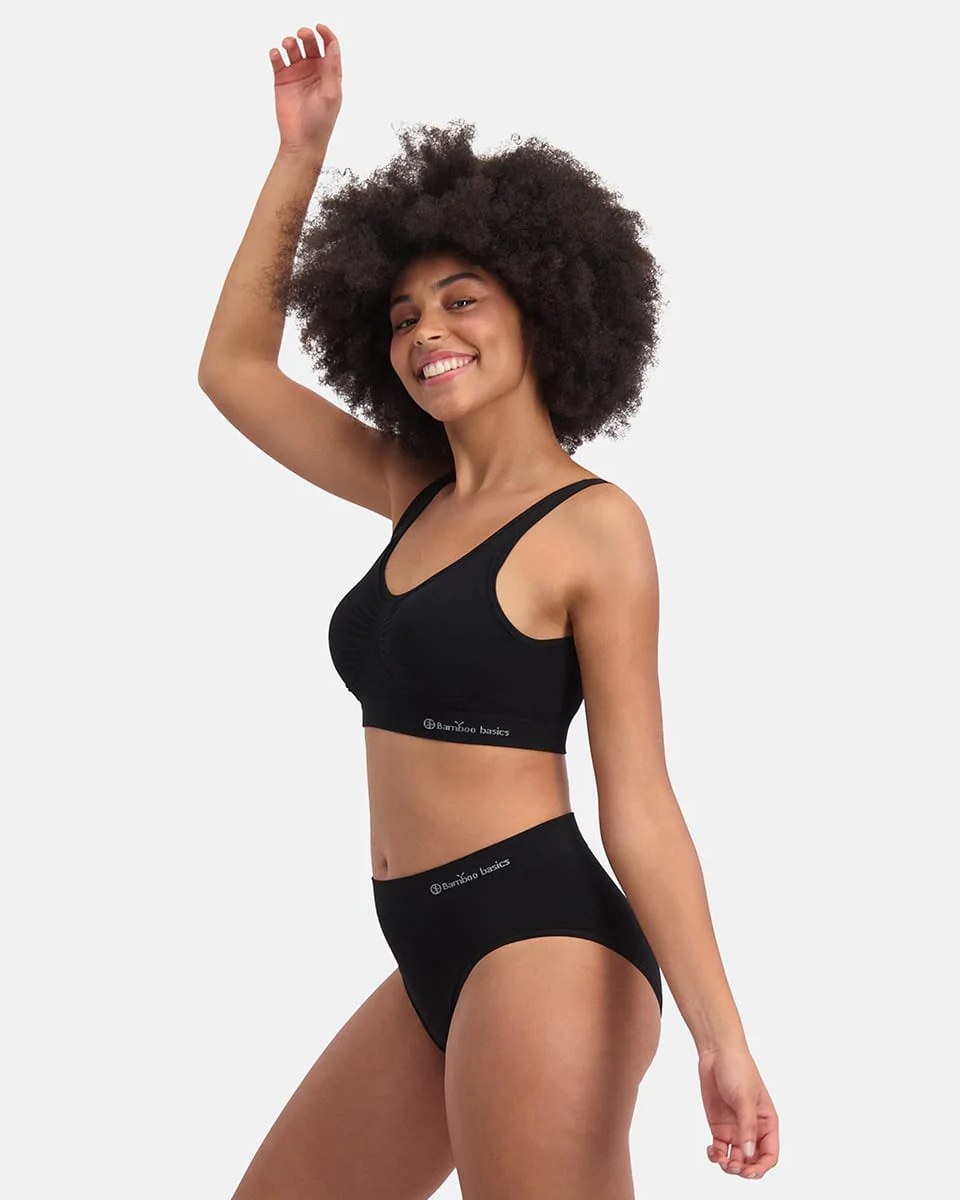
Single jersey is used in t-shirts, underwear and light dresses. It is the fabric for pieces that should be thin and airy and can be worn close to the body without feeling heavy. See bamboo t-shirt for women and bamboo leggings for women.
Single jersey and interlock
Interlock is a double knit and is thicker and more shape stable than single jersey. Interlock is twice as thick with the same yarn, and both sides look alike. Single jersey is thinner, and you can tell the difference by turning the fabric over to see whether front and back are alike or different.
Is it durable
For daily use yes, but single jersey wears faster than thicker knit. It is a thin fabric, and you notice that after many washes, especially in places with friction. Wash gently and let the clothes air dry so the fabric lasts longer and keeps fitting nicely.
How to wash single jersey
Wash by the symbols on the label, usually at 30 degrees with a mild detergent. Turn the garment inside out so the surface wears less. Avoid high heat in the dryer if the fabric is blended with elastane. Let the piece dry flat or hanging so the edges and shape are best preserved.
How to choose
Single jersey is a good choice for light summer pieces and clothes worn close to the body. If a piece should keep its shape after many washes, a thicker knit can be better. Read the description of the individual piece so you know which knit is used and how it suits your need.
Frequently asked questions
Is single jersey thinner than interlock
Yes. Interlock is twice as thick with the same yarn, because it is knitted with two rows of needles. Single jersey is therefore lighter, but also less shape stable and more delicate.
Why do the edges curl
Because the two sides of the knit pull differently. Front and back are built differently, so the fabric rolls toward one side, and that is why the edges have to be sewn before the garment is finished.
Is it durable
For daily use yes, but it wears faster than thicker knit. Wash gently and let the clothes air dry so the fabric lasts longer and keeps its shape.
You can find the full range at Bamboo-Clothing.com.