What softness in clothes actually comes from
Short answer: Softness comes from the thickness and surface of the fibres, from how the yarn is spun and from the knit. It is not one single property, but several things working together that decide how the fabric feels against the skin.
Fibre thickness
Thin fibres bend more easily and therefore feel softer against the skin than thick ones. This is the single most important factor. A thick fibre is stiffer and can feel prickly, because the ends press against the skin instead of bending away.
The surface
A smooth fibre glides against the skin, while a rough fibre rubs. Wool has tiny scales on its surface that can scratch, especially if the fibres are also thick. Read more in why wool scratches.
The yarn
An evenly spun yarn has fewer fibre ends sticking out, so it feels smoother. A loose or uneven yarn has more loose ends that you can feel and that may turn into pilling over time. See quality t-shirt versus cheap t-shirt.
The knit
A loose knit feels softer than a tight one made from the same yarn, because the fabric gives more. On the other hand, a very loose knit can lose its shape faster. It is about finding a balance that feels soft and keeps its shape after washing.
Fabric weight
A light fabric lies close to the body and follows your movements, while a heavy fabric stands away more. That also affects how softness is felt. A light fabric often feels softer, because it does not press against the skin where it folds.
Finishing treatments
Some fabrics are made soft with a treatment that washes out after a few months. That is why certain t-shirts feel different after six months. Softness that comes from the fibre and yarn themselves lasts longer, because it does not sit on the outside of the fabric.
Washing affects softness
Fabric softener can make fabric feel soft at first, but it coats the fibres over time. Tumble dryers and high temperatures can make the surface rough. Washing at 40 degrees and air drying preserve the softness that lies in the material itself.
Where you notice it
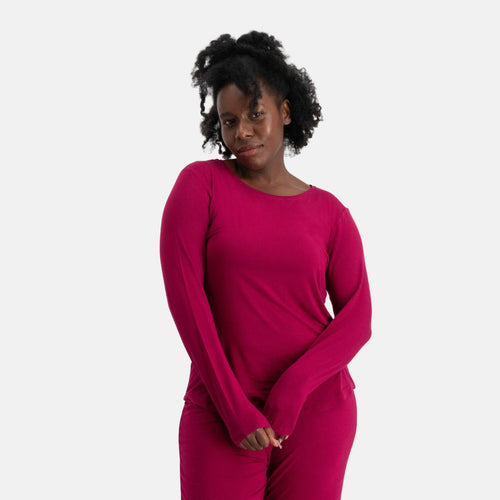
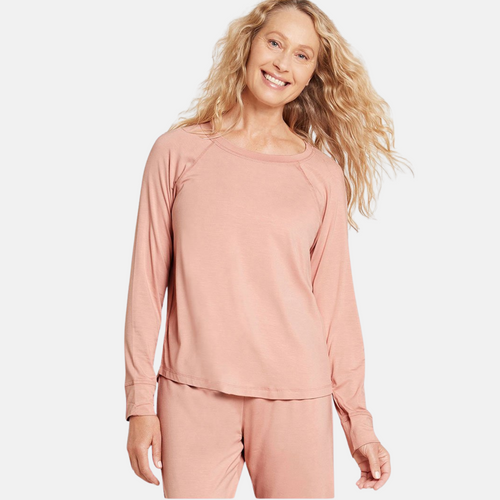
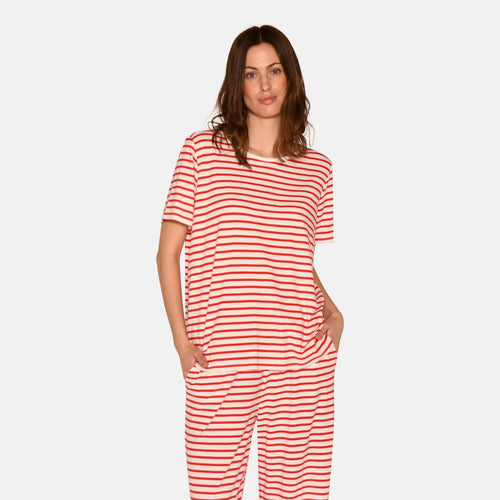
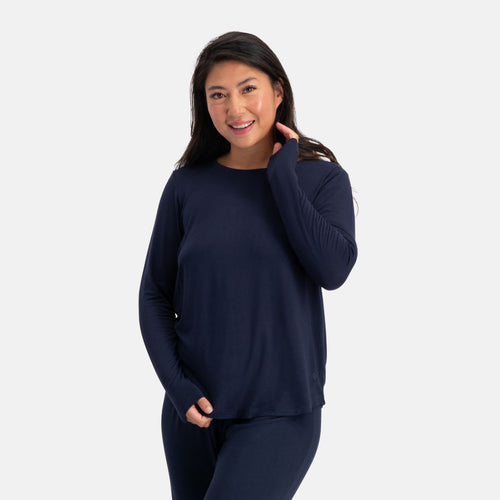
Homewear and nightwear are where softness matters most, because you wear them for many hours, often directly against the skin. A soft fabric is especially noticeable when you sit on the sofa for a long time. See bamboo loungewear for women.
Why bamboo viscose feels smooth
Bamboo viscose is made of fibres with a smooth surface that glides against the skin. That is part of the reason many people find the fabric soft. Read more in why bamboo viscose feels so soft.
In short
Softness is the sum of fibre thickness, surface, yarn, knit and fabric weight. Treatments can give a soft feel at first, but the softness that lasts comes from the material itself and the way it is made.
Frequently asked questions
Why do some t-shirts become less soft after six months?
Because a finishing treatment has washed out. The softness sat on the outside of the fabric rather than in the fibre, so it fades gradually after many washes.
What matters most for softness?
Fibre thickness is the single most important factor. Thin fibres bend more easily and feel softer against the skin, but surface, yarn and knit also play a part.
Can washing make clothes less soft?
Yes. Fabric softener, tumble dryers and high temperatures can make the surface rough over time. Washing at 40 degrees and air drying preserve softness best.
You can find the full range at Bamboo-Clothing.com.