What to know about bamboo clothing and allergies
Short answer: Reactions to textiles more often come from dyes, chemical residue or detergent residue than from the fiber itself. Cellulose fibers rarely cause allergies on their own, and most reactions have another cause.
The fiber is rarely the cause
Cellulose is chemically related to cotton, which very few people react to in everyday life. Reactions typically come from something added during processing, not from the fiber itself. See facts about bamboo for more on how the fiber differs from synthetic alternatives in practice.
Dyes and chemical residue
These are the most common causes of contact reactions to textiles generally, regardless of which material the fabric is made from. A certification like OEKO-TEX tests exactly for that and rules out many harmful substances. See what OEKO-TEX Standard 100 means to understand what the test covers.
Detergent residue
Residue in the fabric sits directly against the skin all day and can cause irritation over time, especially for those with sensitive skin. A fragrance free detergent and an extra rinse is the easiest test to try at home. Read washing and care for more practical laundry advice.
Mechanical irritation
Seams and tight edges can cause redness that resembles an allergic reaction, even though it is not a true allergy. Often it is the construction rather than the fiber that causes the discomfort. See bamboo underwear for women for examples with flat seams and soft edges.
If the discomfort persists
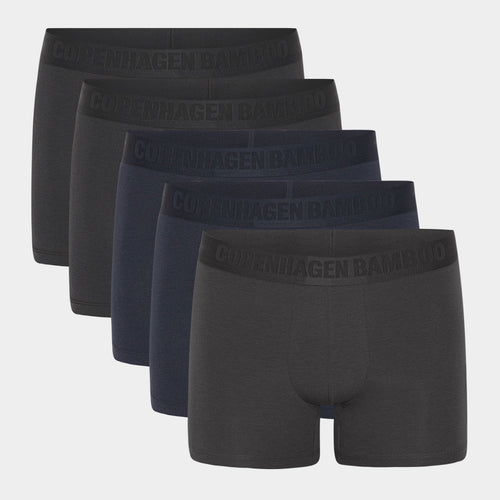
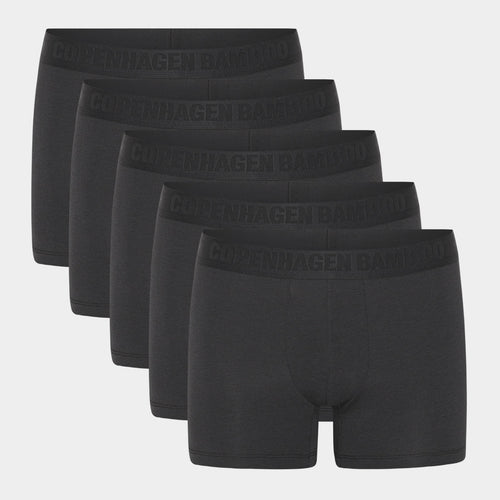
If it does not improve after a few weeks with fragrance free detergent, it belongs with a doctor who can investigate the cause more closely. We cannot make a diagnosis, only point to the most common explanations. See bamboo underwear for men for pieces with soft, flat seams.
Test a new item first
Always wash a new garment before first wear, so excess dye and residue from production is rinsed out of the fibers. This applies especially to dark colors, where more dye is often used than in light shades, so the risk of irritation is slightly higher.
Look for certifications
Certifications like OEKO-TEX are a quick way to assess whether a garment has been tested for harmful substances, without needing to know the chemistry yourself. Most brands list certifications directly on the product page or on the garment itself, so you can check it before you buy.
Keep track of the symptoms
Write down when and where on the body the reaction occurs, and whether it follows a particular garment or detergent. This makes it easier to find the actual cause, whether dye, chemical residue or something else entirely, when you or the doctor assess the matter.
Change one thing at a time
Change only one thing at a time, either detergent or garment, so you can see what actually helps. If you change several things at once, you will not know afterwards which change made the difference, and you risk making unnecessary changes going forward.
Frequently asked questions
Can you be allergic to bamboo viscose?
It is rare. Reactions more often come from dyes, chemical residue or detergent residue than from the fiber itself, which rarely causes problems on its own.
What is the easiest test?
Fragrance free detergent and an extra rinse for two weeks. If the discomfort improves in that period, it points to the detergent as the cause.
When should you see a doctor?
For persistent rash or itching that does not improve after changing your laundry routine. A doctor can investigate the cause more closely and rule out other explanations.
See our range of Copenhagen Bamboo.