What to know about bamboo clothing and environmental claims
Short answer: Claims about textiles and the environment are hard to fully document. We stick to what can be explained concretely, and refer to certifications instead of loose words about footprint.
What certifications cover
OEKO-TEX tests the finished fabric for harmful chemicals and sets limits for what may remain in the fabric. FSC covers the origin and traceability of the raw material, but neither certification covers the whole picture on its own. See what OEKO-TEX Standard 100 means for the details.
The fiber is regenerated
Bamboo viscose is made through a chemical process where the raw material is dissolved and spun into new fibers, not through simple mechanical processing. This is important information when production is to be judged fairly. See how bamboo viscose is made for an overview of the process.
We avoid loose claims
Statements we cannot document ourselves with sources do not belong on a product page, no matter how good they sound in marketing. This applies even if competitors use them freely without documentation. See facts about bamboo for what we can actually stand behind.
What you can do yourself
Fewer washes, lower temperature and a longer lifespan for each garment matter more for the total footprint than most material choices do alone. This is a concrete, measurable choice you have control over every day. See washing and care for practical advice.
Where to find the information
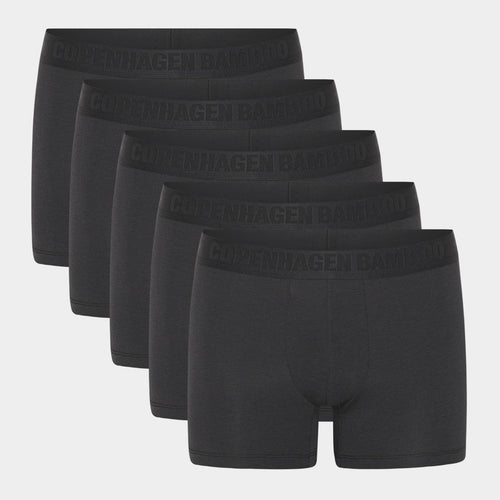
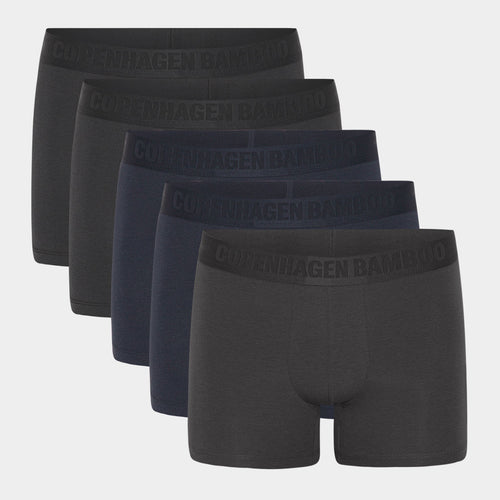
Certifications appear on the individual product page, where you can see exactly which standard a garment meets. See bamboo underwear for men for examples, and always check the product page directly if you are unsure about something.
FSC and forestry
The FSC label concerns how the raw material, in this case bamboo, is grown and harvested, not the chemical processing into fiber itself. This is a different kind of guarantee than OEKO-TEX. See FSC certified products for examples, and the two certifications therefore cover different parts of the process from plant to finished fabric.
Recycling is limited
Most textiles, regardless of material, can today only be partly recycled, because blends of fibers are hard to separate afterwards. This is a realistic limitation worth knowing, rather than promising more than the technology can actually deliver right now.
Transport matters too
Where a garment is produced and how it is transported to the store affects the total footprint, in addition to the material choice and production itself. This is rarely highlighted in marketing, but it is a real part of the equation behind a garment.
Honesty over promises
We prefer to point to what can actually be verified, such as certifications and material facts, rather than broad promises of environmental friendliness we cannot fully deliver on ourselves. This gives you a more reliable basis for your purchase decision.
Frequently asked questions
What do OEKO-TEX and FSC cover?
OEKO-TEX tests the finished fabric for chemicals. FSC covers the origin and traceability of the raw material, but neither covers the whole picture alone.
Is bamboo viscose a natural fiber?
It is a regenerated fiber. The raw material is natural, but the fiber itself is made through a chemical process before it becomes yarn.
What matters most for the footprint?
Lifespan. Fewer washes and longer use of each item matter more than most material choices do alone.
See our range of Copenhagen Bamboo.