What to know about clothing and odour in general
Short answer: Odour in clothing comes from bacteria that feed on sweat and skin oils, not from the sweat itself. The material decides how well the fibres hold on to those waste substances, which is why some clothes start smelling much faster than others.
Bacteria, not sweat
Fresh sweat straight from the body is almost odourless. It is only once bacteria on the skin start breaking down the fat and protein in sweat that odour compounds appear. The longer clothing stays damp, the more time bacteria have to work, which is why dryness matters more than how much you actually sweat.
Synthetics hold on to odour
Polyester and other synthetic fibres trap skin oils inside the thread itself, where they turn rancid over time. That is why sportswear can smell again shortly after an ordinary wash, no matter how thorough that wash actually was or which detergent was used at the time. See bamboo underwear for men.
Natural fibres release it easily
Cotton and viscose do not hold on to oils the same way synthetic fibres do, so they come clean in a normal wash. Many people find that clothes made in these materials can be worn several times over before developing that same lingering smell. See bamboo underwear for women.
Fabric softener traps odour
Fabric softener leaves a thin waxy coating on the fibres to make the fabric feel soft and easier to iron. That same coating can hold on to odour compounds instead of letting them wash out, and the problem tends to grow with every wash. See washing and care.
Airing beats washing
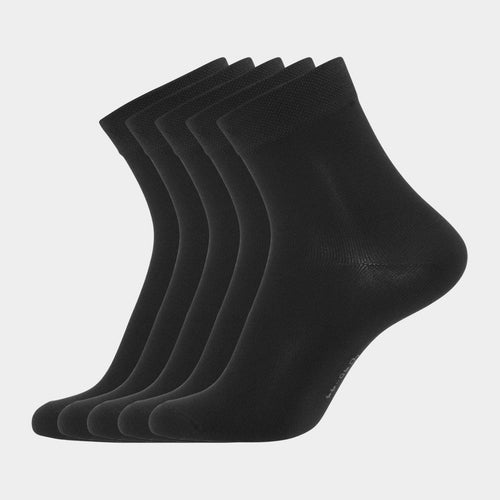
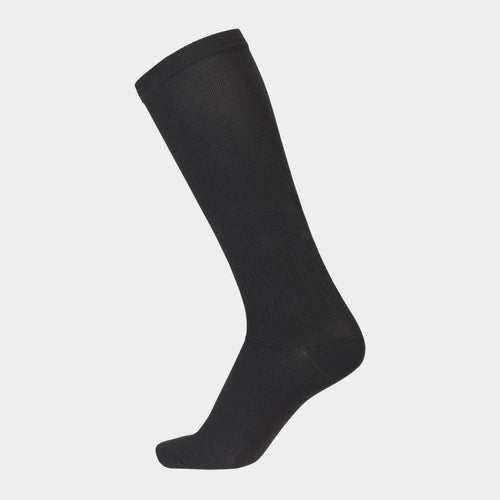
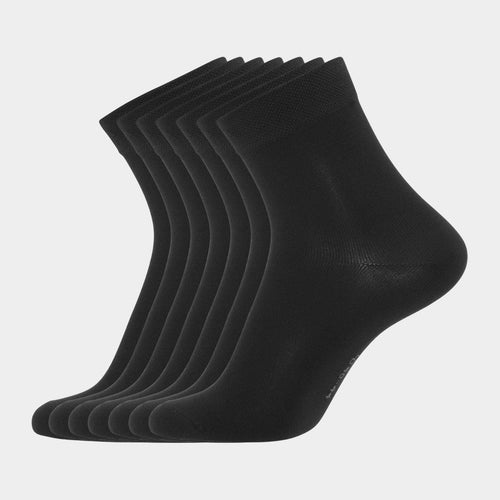
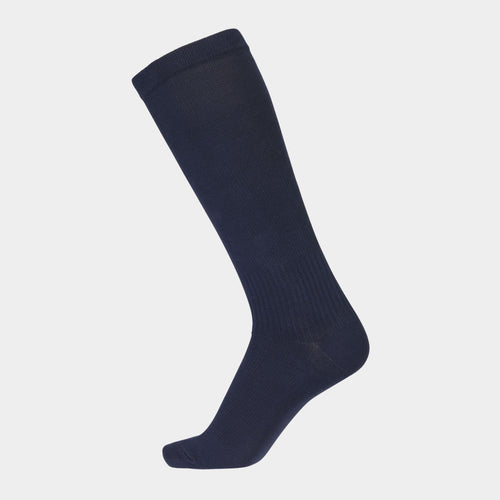
Outer layers like knitwear and jackets do not need washing after every wear. An hour of fresh air usually removes most of the smell, and for clothing worn close to the skin, all bamboo socks for men are one example of a material that airs out well between wears.
Storage matters too
Clothes put away damp or packed too tightly into a wardrobe can develop odour even without being worn. Always let clothing dry completely before putting it away, and avoid pressing too many pieces together into one spot at once so that fresh air can move freely between every item.
Deodorant residue builds up
Deodorant and antiperspirant can build up in the fibres under the arms over time, especially when clothes are washed at low temperatures. That residue can itself become a breeding ground for bacteria and make the smell worse the next time the item is worn, even fresh out of the wash.
Washing temperature
A higher wash temperature removes more of the oils that feed bacteria, but most bamboo fibres and finer materials only tolerate around 40 degrees. It becomes a trade off between hygiene and taking good care of the fabric over the long run, and the lower setting handles most everyday laundry fine.
When the smell will not leave
If odour lingers despite normal washing, switching detergents or running an extra rinse with nothing added often helps. Some people soak clothing in lukewarm water before washing to give bacteria far less to work with right from the very start, well before the actual wash cycle even begins.
Frequently asked questions
Why does sweat actually smell?
Fresh sweat is almost odourless. It is bacteria breaking down the fat and protein in sweat that creates odour compounds, and the longer clothing stays damp, the more time bacteria get to work.
Why does sportswear smell even after washing?
Because synthetic fibres like polyester trap skin oils inside the thread, where they turn rancid. Natural fibres do not hold on to oils in the same way.
Does fabric softener help with odour?
No. Its waxy coating can hold on to odour compounds instead of letting them wash out. That often makes the problem worse over time rather than better.
You can find the full range at Bamboo-Clothing.com.