What to wear at minus fifteen degrees
Short answer: At minus fifteen degrees it comes down to layers, wind protection and dry feet. Three to four thin layers with a soft one next to the skin keep warmth in better than a single thick jumper.
What the cold does to the body
At minus fifteen degrees the body loses heat quickly, especially through the hands, feet, face and ears. Blood is drawn towards the core to keep the most important organs warm, which is why fingers and toes get cold first. Wind makes the experience far worse, so a still day and a windy day feel very different at the same temperature. Your clothes therefore need to insulate and block draughts, and it works best when you plan everything as one system.
The first layer: close, smooth and dry
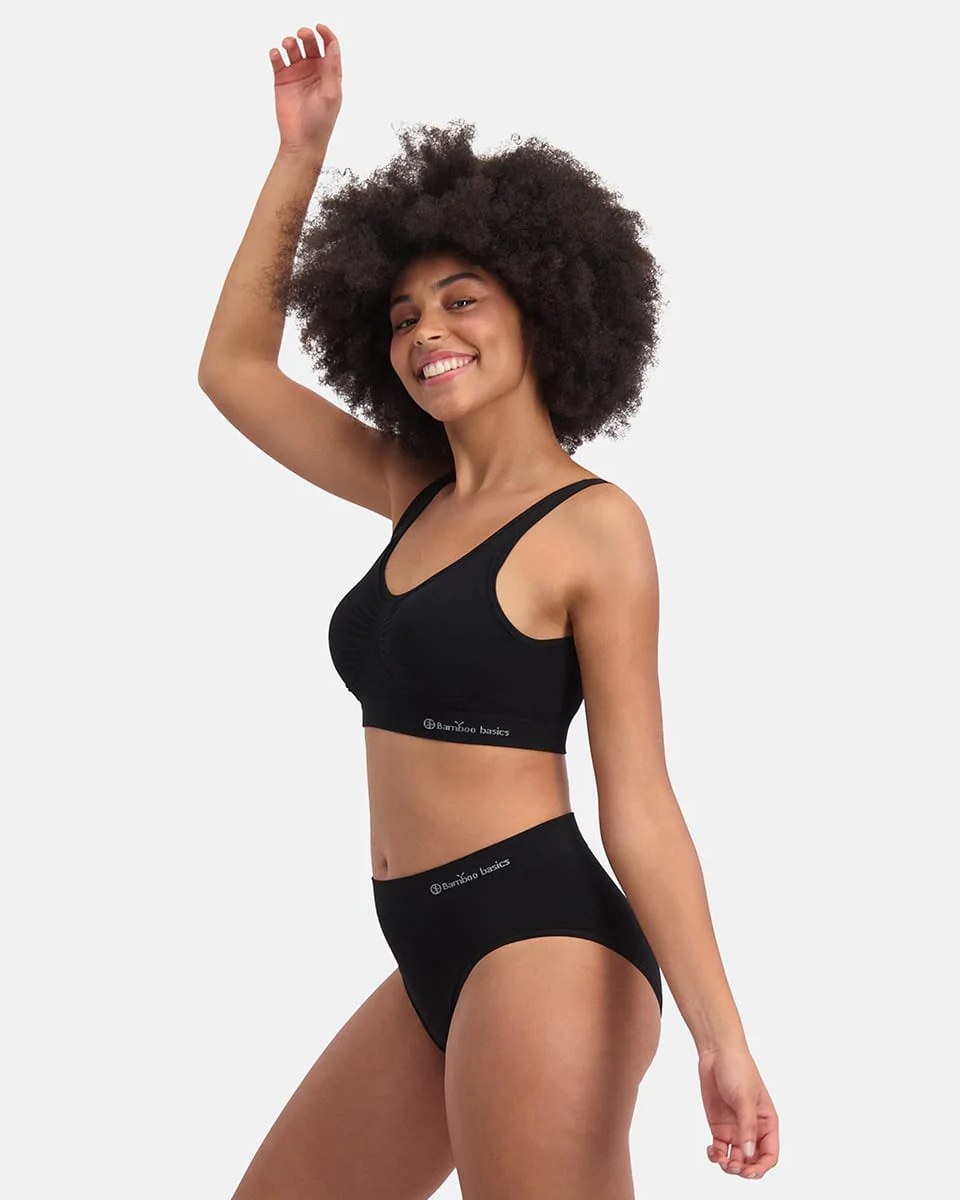
Next to the skin you want a layer that sits close without squeezing. Damp layers cool you down quickly when you stand still, so choose something that feels dry and soft. Underwear made of viscose from bamboo is smooth and does not scratch, which helps when more layers go on top. See bamboo underwear for men. Underwear should never pinch, because tight clothing can restrict circulation and make you colder.
Middle layer and outer shell
The middle layer should trap air, because it is the air between the fibres that insulates. Wool, fleece or a thick knitted jumper all work well. On the outside you need something windproof, ideally with a hood or a high collar so that wind cannot get in at the neck and waist. Avoid dressing so warmly that you sweat on the way to the bus, because then you are damp when you stop. It is better to start slightly cool and warm up after a few minutes.
Feet need extra thought
Cold feet are the most common complaint in hard frost. Choose shoes with room for the toes, because a shoe that is too tight squeezes out the air and makes the feet colder. Two pairs of socks only help if the shoe still fits loosely enough. See all bamboo socks for men. Change into dry socks if the first pair gets damp, and bring a spare pair in your bag when you will be out for a long time.
Head, neck and hands
A hat, scarf and gloves are not things you skip at this temperature. Mittens are often warmer than gloves because the fingers share their warmth. Cover your ears and neck, and use a neck tube that can be pulled up over nose and mouth when it is windy. Do not leave bare skin exposed for long, and go indoors if you can no longer feel your fingers or toes.
Caring for winter clothes
Wash viscose from bamboo at 30 to 40 degrees, preferably inside out, and let it dry flat. Avoid putting damp clothes straight onto a hot radiator, as the heat can wear down the fibres. Air your outer layers after a walk so that moisture from the body can evaporate. If you want to see more options, have a look at the range from JBS.
Frequently asked questions
How many layers do I need at minus fifteen degrees
Three to four thin layers work for most people: a soft layer next to the skin, one or two warm middle layers and a windproof outer layer. Adjust the number to how active you are.
Is cotton a good idea in frost
Cotton absorbs moisture and holds on to it, and damp clothing cools you down. For long outings in frost other materials are often better, while cotton is fine for short stretches.
When should I go indoors
If you can no longer feel your fingers or toes, or you shiver uncontrollably, go indoors and warm up. If you are unsure, talk to your doctor.
You can find the full range at Bamboo-Clothing.com.