What to wear for cross-country skiing in winter snow
Short answer: Cross-country skiing is one of the most demanding endurance sports, and you sweat a lot, even in frost. Dress lightly in several thin layers that move moisture away, so you do not get wet from the inside and cold when you stop.
Light clothing is the key
The most common mistake in cross-country skiing is wearing too much. After a few minutes you are warm, and thick jackets make you sweat and then chill when you stop. Start out feeling slightly cool at the trail, and you will reach the right temperature once you have warmed up. Thin layers that can be opened or removed are better than one thick layer.
The base layer must move moisture
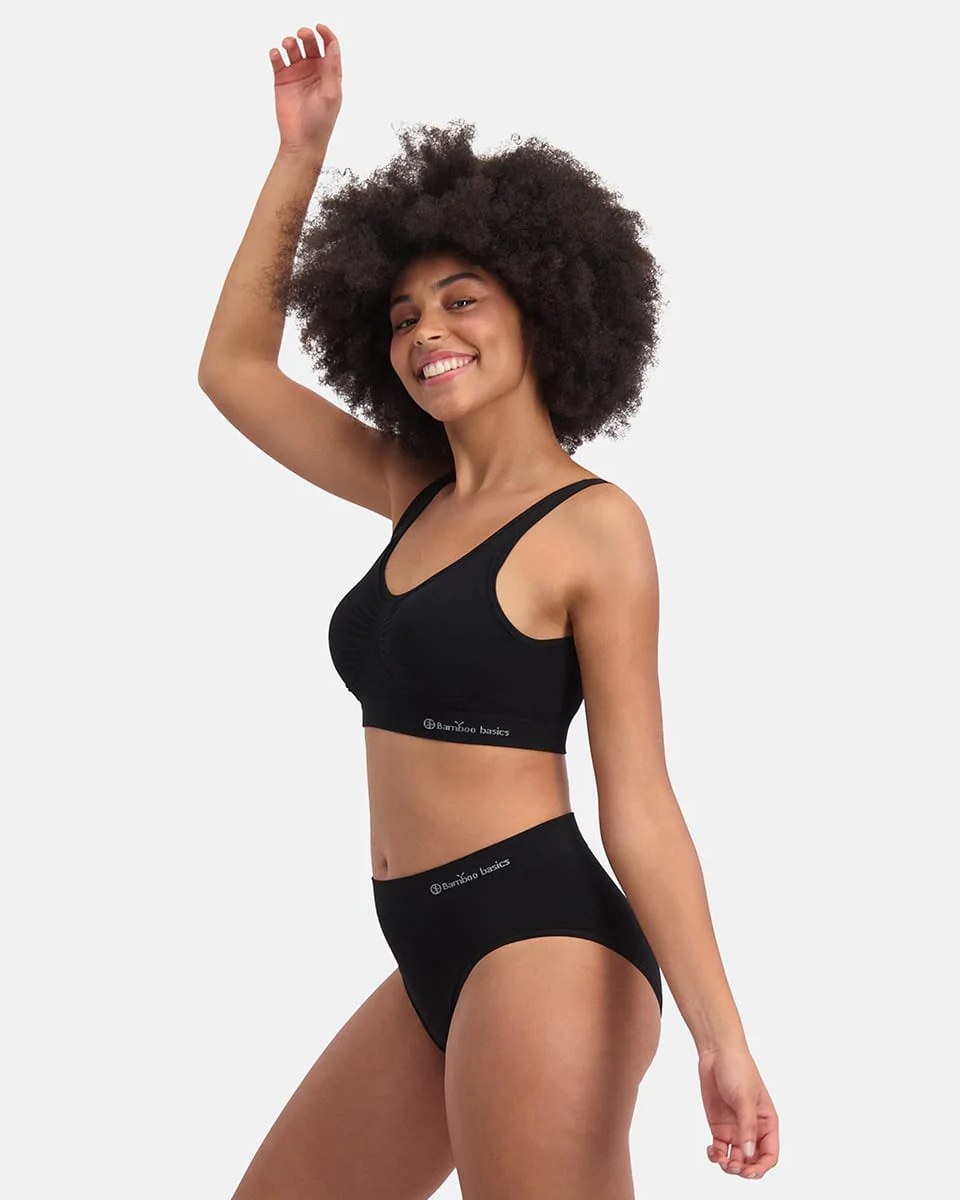
The base layer sits directly against the skin and has to move sweat away so you do not get cold. Close fitting layers work best. For the hips and thighs, close fitting inner shorts make a good innermost layer under tights, especially for men who feel the cold in the groin in windy weather. See bamboo inner shorts. Many skiers also wear windproof briefs for exactly that reason.
Underpants for long tours
On a tour lasting several hours, comfort against the skin matters a great deal. Underpants that do not roll up and have no thick seams reduce chafing over thousands of repeated strides. See bamboo underpants for men. Viscose from bamboo is soft and comfortable but holds moisture when it gets very wet, so on the hardest outings a synthetic or wool based base layer may be the better choice.
Shorts over tights
Many cross-country skiers wear a pair of shorts over their tights. That adds warmth over the hips and thighs, where the wind hits hardest, without restricting movement. It is also practical when you stop for a break or step into a hut. See bamboo shorts for men.
Hands, head and ears
Thin cross-country gloves give grip on the poles, but on cold days you may need mittens or thin liner gloves underneath. A headband or thin hat keeps your ears warm without overheating. A neck tube can be pulled up over your mouth in hard frost and down again when you start to sweat.
Breaks and the journey home
When you stop, put on a warm layer quickly, such as a down jacket from your backpack. Drink something hot and eat something. After the tour, change into dry clothes straight away. Wash base layers and underwear at 30 or 40 degrees and let them dry on a rack.
Wind and speed on descents
On flat sections and climbs you work hard, but on descents you stand still in the track and the wind cools you quickly. Zip your jacket fully before a long descent and open it again when you start working. Windproof panels on the front of jacket and trousers protect the exposed parts of the body without making the back too warm, where you sweat the most.
Frequently asked questions
How many layers should I wear for cross-country skiing
Usually two or three thin layers: a base layer, perhaps a light mid layer and a windproof jacket. Keep a warm layer in your backpack for breaks.
Why do cross-country skiers wear shorts over tights
They add warmth over the hips and thighs without restricting movement.
What should I do if I get cold during a break
Put on a warm layer immediately, drink something hot and keep the break short.