What to wear for dinghy sailing
Short answer: In a dinghy you sit close to the water, and sooner or later you will get wet. Build your clothing in layers, with a thin close fitting base layer, a warm mid layer and a wind and waterproof outer suit or wetsuit, depending on the water temperature.
Water and wind are what matter
Dinghy sailing is a wet sport. Spray from the waves, hiking out over the side and the occasional capsize are all part of it. Northern waters are cold for most of the year, and the wind cools wet skin very quickly. Your clothing must therefore protect you against getting chilled. In summer many people sail in shorts and a light top, but spring and autumn demand more. Always check both water and air temperature before you head out.
The base layer next to the skin
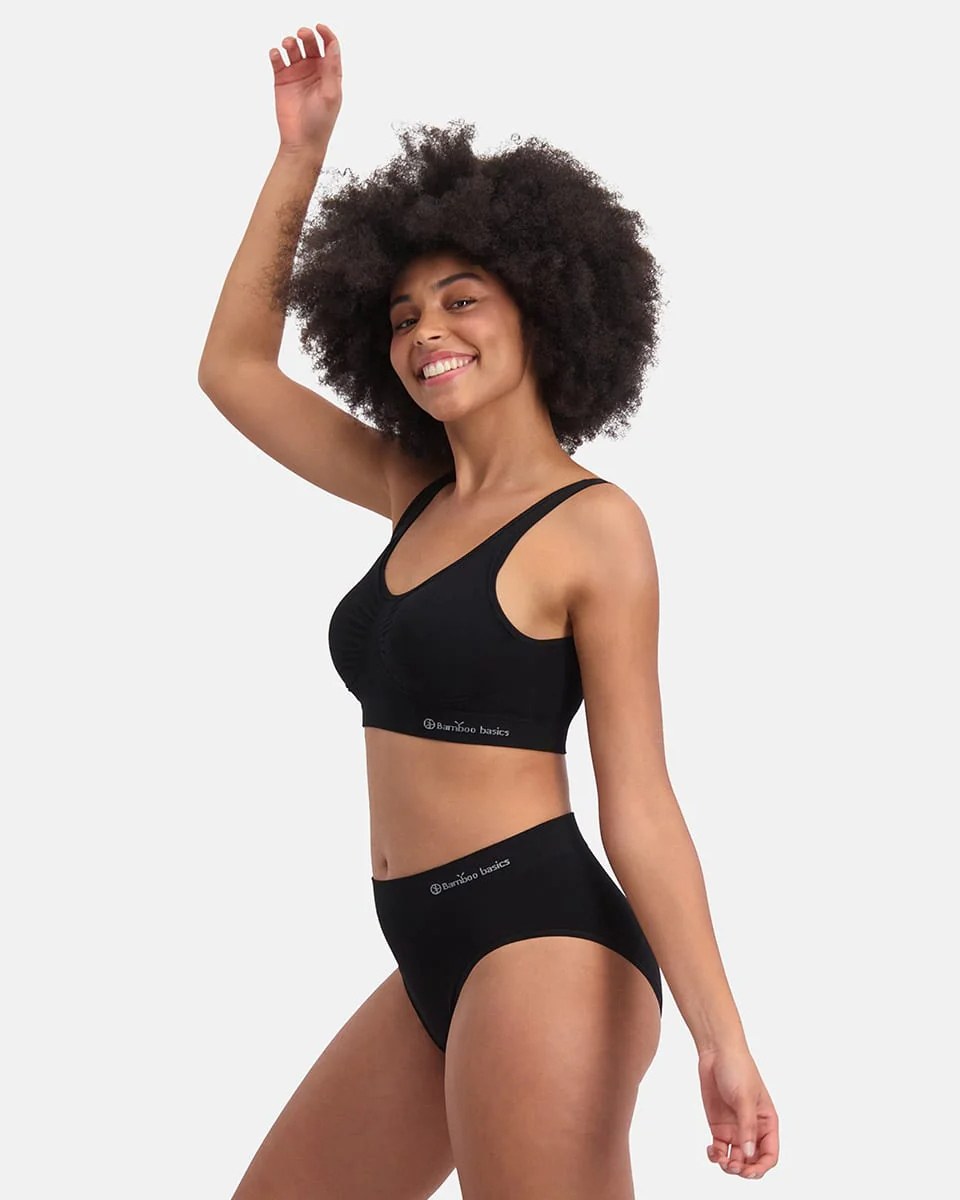
Under a wetsuit or drysuit, the first layer matters. It should fit closely and feel soft, so it does not rub as you move around the boat. See bamboo underwear for men. Bear in mind that viscose holds water once it is soaked, so under a wetsuit, where you will get wet, synthetic fabrics or neoprene may be the better choice. Under a drysuit, where you stay dry, a soft base layer is comfortable.
Long johns for cold days
In spring and autumn the water is cold, and many sailors wear a drysuit. Underneath you need warm layers, because the drysuit itself does not insulate. Long underwear and a long-sleeved top keep your legs warm while you sit on the side deck. See bamboo long johns. On very cold days a fleece layer on top may also be needed.
Underpants that do not chafe
You sit on a hard edge, slide back and forth across the side and hang in the toe straps. Underpants with a short leg that does not roll up reduce chafing on the thighs. See bamboo underpants for men. Many sailors also wear padded hiking shorts that protect the seat and thighs from the edge of the boat.
Safety first
A buoyancy aid or life jacket should always be worn in a dinghy, whatever the weather. It goes over all your layers and must be fastened. Sailing boots or neoprene shoes with a good sole give grip on a wet deck. Gloves protect your hands from the ropes. A hat is welcome in a cold wind, while a sun hat and sun cream are just as important in summer.
After sailing
Rinse the salt water out of all your kit with fresh water and hang it to dry in the shade. Wetsuits and drysuits do not cope well with long spells in direct sun. Base layers and underwear are washed at 30 or 40 degrees and dried on a rack. Change into dry, warm clothes as soon as you are ashore, even if you do not feel cold yet.
Frequently asked questions
What do you wear in a dinghy in summer
Many people sail in shorts, a light top and a buoyancy aid. Neoprene shoes and sun protection matter, and an extra layer is useful if the wind picks up.
Is a drysuit warm on its own
No. A drysuit keeps the water out, but the warmth comes from the layers you wear underneath.
Should I always wear a buoyancy aid
Yes. In a dinghy a buoyancy aid or life jacket should always be worn and fastened.
You can find the full range at Bamboo-Clothing.com.