What to wear for skating on a frozen lake
Short answer: Skating on a frozen lake combines exercise with cold and wind. Dress in three layers, with a close fitting base layer, a warm mid layer and a windproof jacket, and remember that safety on the ice matters more than anything you wear.
Safety on natural ice
Only go out on the ice when the authorities or your local council say it is safe, and never alone. The ice must be thick enough across the whole area you skate on, and it can be thinner near reeds, streams and bridges. Carry ice picks around your neck and a throw line in your backpack. These matter more than any clothing and can save a life if the ice gives way.
The base layer against the skin
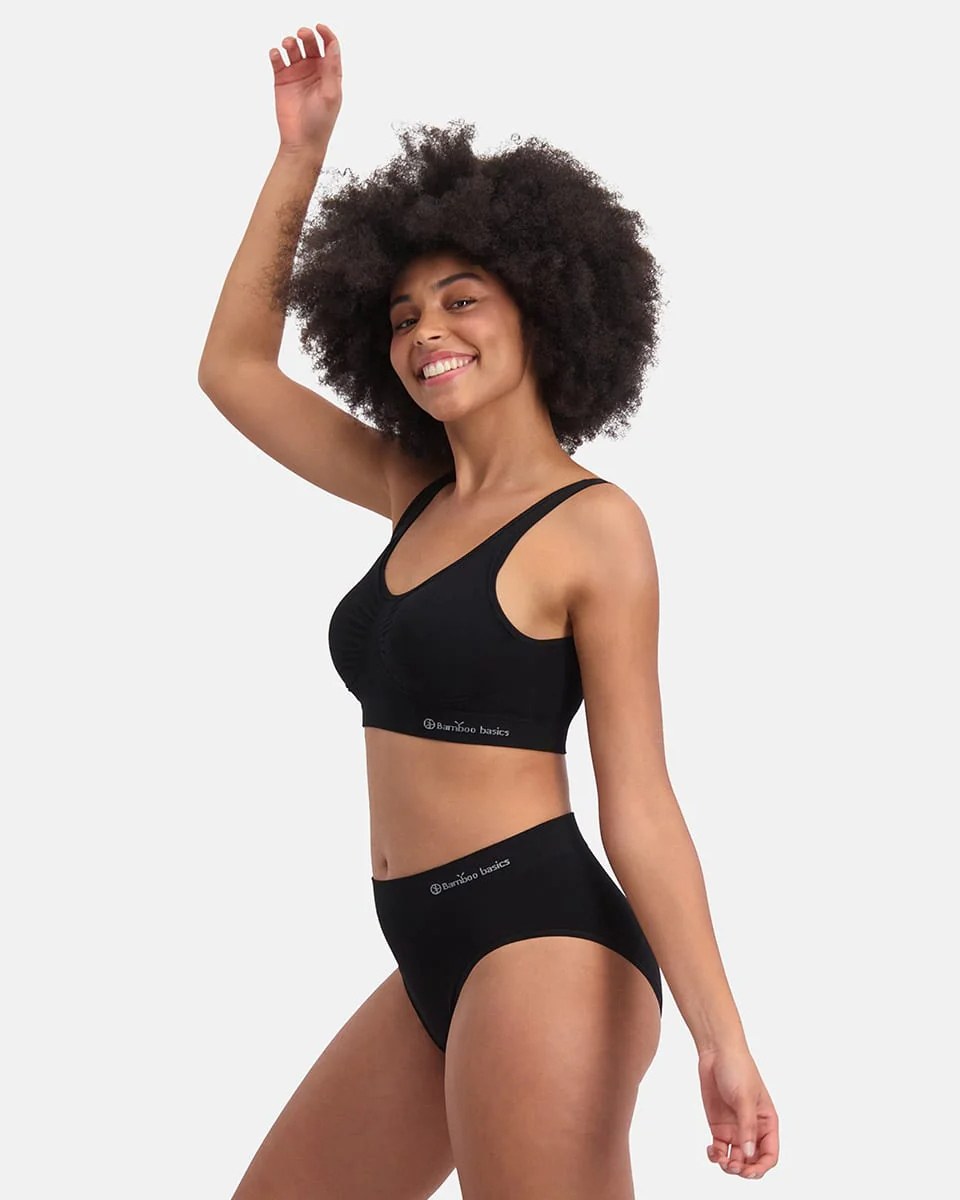
Skating is warm work while you are moving, but you cool down quickly when you stand still. A close fitting base layer that moves moisture away is the foundation. See bamboo training clothes for women. It should fit snugly, so there is no air between fabric and skin, and it should be soft, so it does not rub under the other layers.
Trousers that let you move
A long skating stride needs freedom in the hips and knees. Close fitting training trousers or leggings as the innermost layer on your legs give warmth without restricting you. See bamboo training trousers for women. Over them you can wear windproof trousers or ski trousers if it is cold and blowing.
Layers you can take off and put on
The mid layer can be a fleece or a wool jumper, and the outer layer a windproof jacket. When you warm up, open the jacket or remove the mid layer. A pair of short training shorts over leggings can be a useful extra layer over the hips, keeping off the wind without adding bulk. See bamboo training shorts for women.
Hands, head and feet
Gloves or mittens matter, both against the cold and as protection if you fall. A hat keeps your head warm, and many skaters also wear a helmet on the ice. Skate boots should fit firmly around the ankle. Choose thin, warm socks rather than thick ones, as thick socks can make the boot too tight and restrict circulation.
After skating
Change into dry clothes as soon as you can, especially if you have been sweating. Bring a flask with a hot drink and have something to eat. Dry the blades straight away so the steel does not rust. Training clothes are washed at 30 or 40 degrees and dried on a rack.
Breaks and a packed lunch
A trip on the lake often lasts longer than planned when the ice is good and the sun is out. Plan breaks where you sit on a foam mat or bench, and put on an extra warm layer straight away. A flask of tea or cocoa and a bit of food give you energy for the way back. Keep an eye on the light, as it gets dark early in winter and ice is hard to judge at dusk.
Frequently asked questions
How thick does the ice need to be
Always follow the advice of your local authorities. Never go onto the ice alone, and carry ice picks and a throw line.
What should I wear for skating
Three layers: a close fitting base layer, a warm mid layer and a windproof jacket. Add gloves, a hat and thin, warm socks.
Why not thick socks in skates
They can make the boot too tight and restrict circulation, which leaves your feet colder.
You can find the full range at Bamboo-Clothing.com.