What to wear in the sticky heat before a thunderstorm
Short answer: Before a thunderstorm the air is often warm, still and humid. Dress lightly and loosely, but keep an extra layer and a rain jacket ready, because when the storm arrives the temperature can drop quickly and the rain can be very heavy.
What happens before a thunderstorm
Thunderstorms form when warm, moist air rises rapidly and builds large, towering clouds. The hours beforehand are often marked by oppressive, stagnant heat, when the air feels heavy and sweat refuses to evaporate. The sky may turn hazy or take on a yellowish tint. When the storm breaks, it often brings strong gusts of wind, a sudden drop in temperature and a great deal of rain in a short time. Afterwards the air is usually fresher and cooler, and many people find it a relief.
Light clothing for heavy air
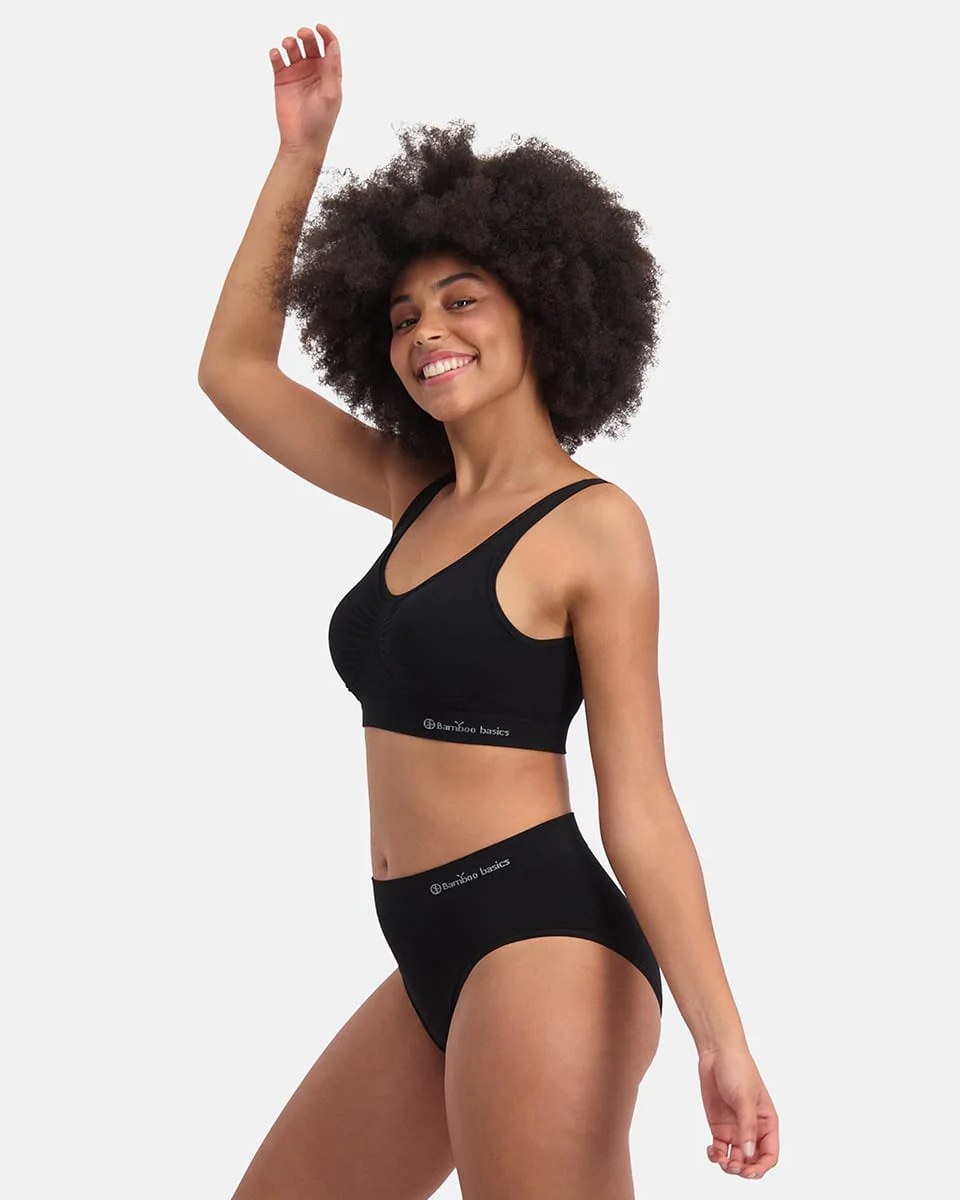
In the sticky heat before a storm, light and loose clothing is the most comfortable. Thin fabrics let air through, and light colours keep you cooler in the sun. Avoid close-fitting clothes that trap sweat against the skin. Viscose made from bamboo is soft and absorbs moisture, and a thin fabric often feels cool against the skin. For your feet, thin socks in closed shoes are better than thick ones, and sandals give the most air if you are not walking far. See bamboo socks for women.
A layer for the temperature drop
When the thunderstorm arrives, the temperature can fall by five to ten degrees in a short time. If you are outside in a thin summer dress or T-shirt, you can suddenly feel cold, especially if you get wet as well. A light sweatshirt in your bag makes a big difference. It takes up little room and can be pulled on when the wind picks up. See bamboo sweatshirt for women. Combine it with a thin rain jacket, and you will keep the warmth in and the worst of the rain out.
Staying safe in a thunderstorm
Clothing does not protect you from lightning. The most important thing is to seek shelter in a building or a car with a solid roof as soon as you hear thunder. Avoid open fields, isolated trees, water and high points. If you are out walking or cycling, stop and find shelter until the storm has passed. Many weather services issue warnings for severe thunderstorms, so it is a good idea to check the forecast before setting out on a hot summer day, especially if you plan to be far from shelter.
Wet feet after a cloudburst
A cloudburst can fill streets and paths with water in a matter of minutes. Shoes and socks get soaked, and it is unpleasant to carry on walking with wet feet. Bring a spare pair of socks on days when storms are forecast. If you have plenty of socks to choose from, pick a thin pair that dries quickly for exactly these days. See all bamboo socks for women. Dry your feet thoroughly before putting on the dry socks, otherwise they will soon feel damp again.
After the storm
Once the storm has passed, the air is often fresh and cool. That is a good moment to hang wet clothes outside to dry if the sun comes out. Wet shoes should dry slowly at room temperature with newspaper stuffed inside. Clothing that has been wet with both sweat and rain should be washed before you wear it again. Follow the care label and use a mild detergent. Viscose should not be wrung hard while it is wet, so press the water out gently instead.
Frequently asked questions
Why does the air feel heavy before a thunderstorm
The air is warm and full of moisture, so sweat evaporates poorly. That creates a heavy, oppressive feeling.
Do rubber boots protect against lightning
No. Seek shelter in a building or a car with a solid roof. Clothing and footwear give no protection from lightning.
How much does the temperature drop when a storm arrives
Often by five to ten degrees in a short time, especially as the wind picks up and the rain begins.
You can find the full range at Bamboo-Clothing.com.