What to wear under a clinical coat or uniform
Short answer: The coat fits tightly, and the air stays still underneath it for the whole shift. The base layer decides comfort on an eight hour shift more than the coat itself does. Thin, flat and moisture moving matter most.
The coat seals the air in
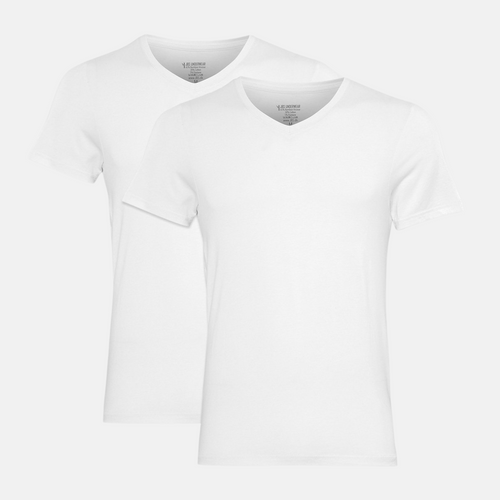
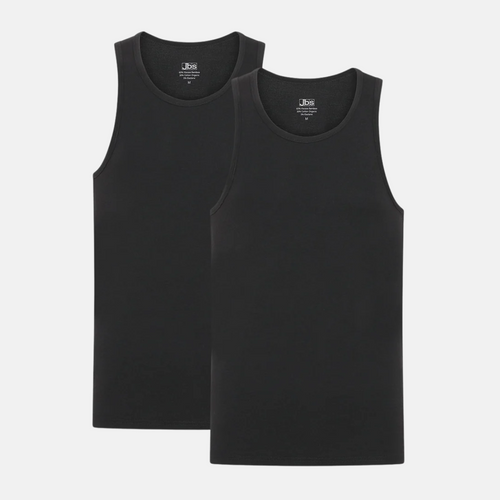
A tight outer layer means the base layer has to do all the work of moving moisture and heat away from the skin. Pick a thin fabric without seams that show through the coat on a long shift. See bamboo t-shirt for men.
Standing still for long stretches
Standing still gives cold feet and a warm back at the same time, because blood is distributed differently than when you move. Thin socks without hard seams make the waiting easier to bear through a whole shift. See bamboo socks for men.
Change clothes as soon as the shift ends
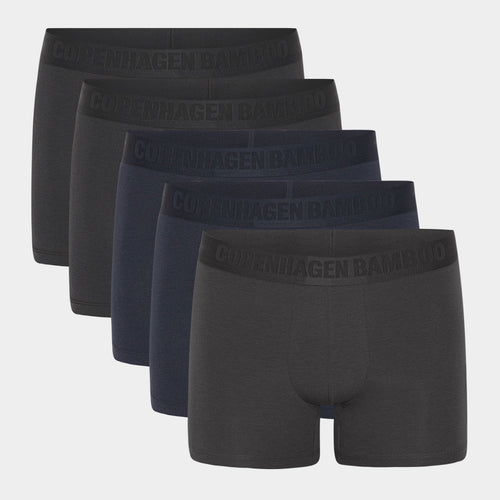
A dry set for the way home makes a noticeable difference after a shift spent in tight clothing. The body gets to breathe again, and the day's sweat stops sitting against the skin all evening. See bamboo underwear for men.
Wash work clothes at forty degrees
Work clothes and base layers should be washed warmer than ordinary clothes, because sweat and skin cells settle deep into the fibres. Forty degrees solves that without harming the fabric if you follow the care label. See bamboo clothing for men.
Choose fabric without hard seams or edges
A coat sits tight against the body in many places, and a hard seam underneath can be felt through an entire shift. Flat seams and a smooth fabric make a difference that only becomes clear after several hours.
Sweat gathers where the coat pulls tight
Where the coat pulls tightest, under the arms and around the waist, sweat gathers first. A moisture moving base layer spreads the moisture over a wider area, so no single zone ends up wet and cold.
Temperature swings between departments
Some rooms are kept cooler for the sake of equipment or patients, while others run warm because many people spend time there. A thin base layer worn under everything makes it easier to keep up with the shifts.
Choose colours that do not show sweat
Light colours show moisture more clearly than dark ones, worth considering for a base layer worn visibly at sleeves or collar. A neutral dark fabric keeps looking tidy for longer through a long shift.
Keep a spare set ready in your locker
Unforeseen tasks or a sudden spill mean an extra set of base layers in the locker can save a trip home mid shift. It costs a little space but makes the shift more flexible when something unexpected happens.
Frequently asked questions
What should you wear under a coat?
A thin, flat base layer that moves moisture well. The coat itself seals the air in, so the base layer has to do the rest.
Why do feet get cold when standing still?
Because blood flow drops when muscles are not actively working. Movement helps more than thick socks alone can over a long shift.
How warm should work clothes be washed?
Forty degrees is a sensible starting point for base layers worn close to the skin for a whole shift every day.
You can find the full range at Bamboo-Clothing.com.