What to wear under a gi or martial arts uniform
Short answer: The suit is heavy and closed. The base layer decides whether you can last an hour. Flat, thin and moisture moving are the three requirements.
The suit shuts the air out
A gi is tightly woven and lets through only a little air, no matter how hard you fight on the mat. The base layer therefore has to work hard to keep the skin reasonably dry through the whole session. A thin material that moves moisture away from the body makes a big difference after just the first few minutes. See bamboo underwear for men.
No thick seams against the mat
You spend the whole session lying and sliding on the mat, often with body weight pressed into a single point at a time. Thick seams can be felt through the suit and may cause irritation after repeated rounds. A flat base layer without prominent edges minimises that friction. See bamboo t shirt for men.
Changing after training
The way home in wet clothes is cold, especially when wind hits a soaked layer directly against the skin. A dry set in your bag solves that problem quickly and simply without any hassle. Many forget it and regret that on the ride home. See bamboo clothing for men.
The feet are often bare
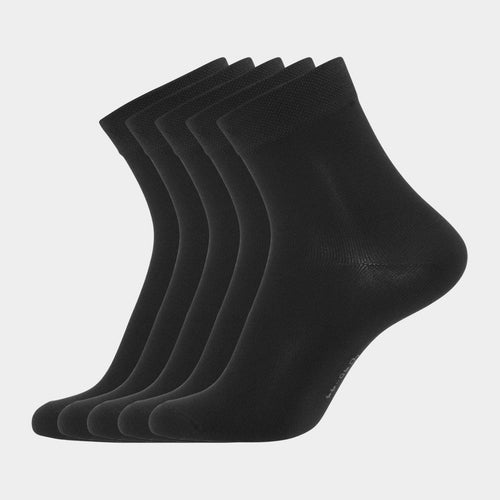
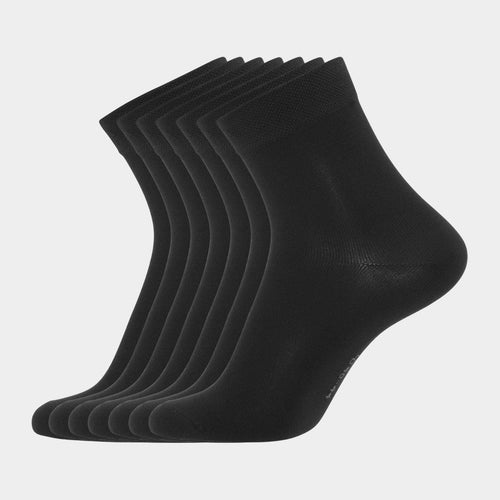
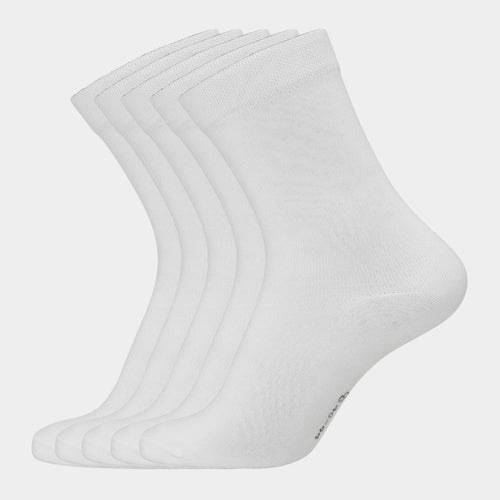
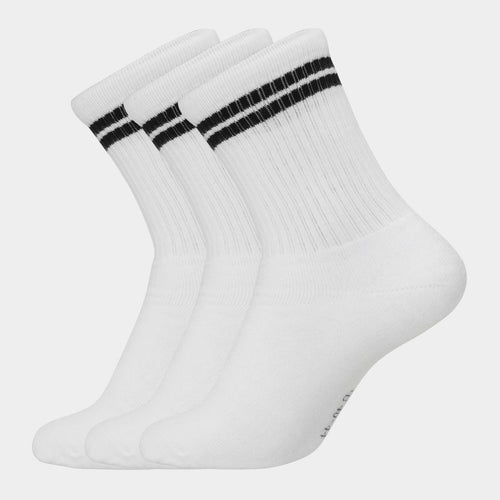
Many martial arts are trained barefoot directly on the mat, for better contact and balance during techniques. Socks are therefore mostly needed before and after training, when you move around the changing room. A thin, soft sock is comfortable to wear in those moments. See bamboo socks for men.
Grip techniques tighten around the waist
Many grips and throws press the belt and suit firmly against the stomach and waist throughout sparring. A fabric that does not roll up under the belt keeps the base layer in place without bothering you. That makes the difference between focusing on technique and on discomfort.
Warming up brings early sweat
The first minutes are often spent on intense warm up before the actual training on the mat properly begins. The body already sweats here, long before the real sparring starts, and the base layer needs to keep up from the very start.
Breaks between rounds cool you down
Between sparring rounds you often stand still for a moment while catching your breath and listening to the instructor. The body cools quickly in those breaks, especially in halls with good ventilation or a draught.
The suit is washed less often than the layer beneath
A gi is not washed after every single training session, while the base layer is worn close to the skin each time and therefore needs to handle frequent washing. A material that keeps its shape and does not smell after many washes is practical day to day.
Competitions last longer than training
At tournaments you can wait and compete for several hours straight, far beyond a regular training evening at the club. A base layer that stays comfortable throughout the day makes the waiting between matches more manageable.
Frequently asked questions
What should you wear under a gi?
A thin, flat base layer that moves moisture away from the skin. The suit itself keeps air out, so the layer has to do the rest of the work.
Why do you get so warm doing martial arts?
Because the suit is tightly woven and the activity is intense. Heat cannot escape through the fabric, and the body works hard throughout.
Should you bring dry clothes?
Yes. The way home in soaked clothing is cold, especially in winter, and an extra set in your bag solves that quickly.
You can find the full range at Bamboo-Clothing.com.