What viscose does with water inside the fibre
Short answer: Viscose fibre has an open structure and binds water between its cellulose chains. It can take up more than cotton, and it swells clearly when wet, which affects both strength and fit while the garment is damp.
Water between the chains
The cellulose chains in viscose lie less orderly than in cotton. There is therefore room between them for water molecules to get in and be bound. When that happens the fibre thickens and the fabric swells. That is the basic thing that sets viscose apart from fibres that do not take water in.
Why it takes up more than cotton
Because the structure is more open, water gets in more easily. Viscose can therefore hold more water than cotton, and the fibre swells more clearly. That also partly explains why viscose feels slightly damp and cool on the skin when it takes up sweat. See bamboo sleepwear for men.
Why viscose gets weaker when wet
When water pushes the chains apart, the forces holding the fibre together weaken. Wet viscose therefore tolerates less pull than dry, and it is more vulnerable while wet. This is not a flaw in the fabric but a trait of this type of fibre, and it is good to know about.
How much weaker it gets
Typically viscose loses about half of its dry strength when wet, depending on the fibre type. That sounds like a lot, but it is a temporary weakening. Once the fabric is dry again the strength returns, as long as the fibre was not stretched or pulled while wet.
What to do about it
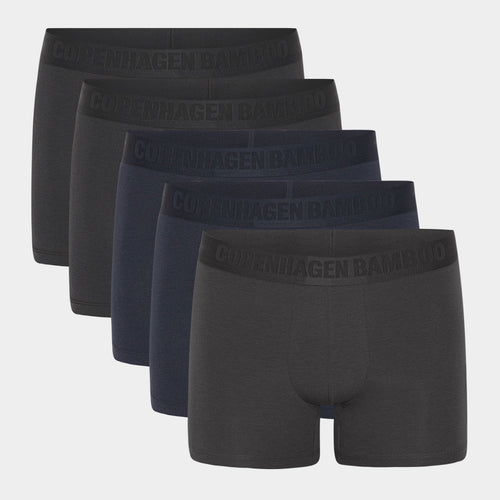
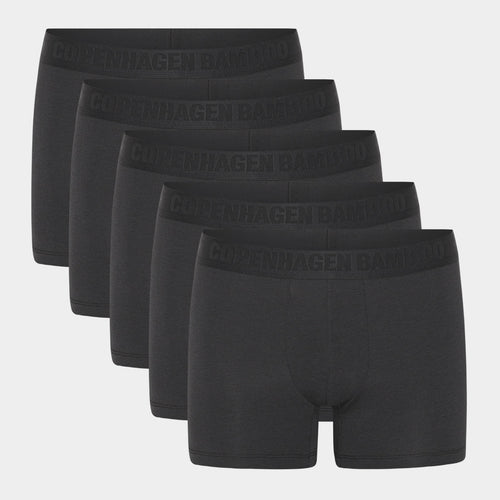
Avoid wringing a wet garment hard, and do not let it hang heavy with water. Press the water out gently instead, and lay the piece flat or lift it out of the machine with both hands so the weight is spread. See bamboo underwear for men and bamboo underpants for men.
How to dry it best
Lay the wet garment flat on a dry towel or a drying rack where the weight is spread. Avoid hanging it by the neck or shoulders, where the water can pull the fabric out of shape. Let it dry calmly, and avoid direct heat, which can leave the fabric stiff or warped.
Does the strength come back
Yes, the weakening is temporary. As the water evaporates the chains find their way back to each other and the fibre regains its strength. That assumes the garment was not stretched while wet, since a fibre once pulled out of shape does not always return to what it was.
What about lyocell
Lyocell is also a cellulose fibre, but it loses less strength when wet than ordinary viscose. That makes it more robust through repeated washing. If you have a piece in lyocell you can treat it a little more casually, but the same basic rules for gentle washing and drying still apply.
How to wash viscose
Always follow the care label in the garment and choose a gentle programme so the fabric is not strained needlessly while wet. Use a wash bag for the finest pieces, and do not overfill the machine. With a little care in washing and drying, viscose keeps its shape and softness for many years.
Frequently asked questions
How much weaker does wet viscose get
Typically about half of the dry strength, depending on the fibre type. It is a temporary weakening, so just be careful about pulling and wringing the garment while it is wet.
Does the strength come back when it dries
Yes. The weakening is temporary as long as the fabric was not stretched while wet. Lay the garment flat to dry and it keeps its shape.
Is lyocell different
Yes. Lyocell loses less strength when wet than ordinary viscose, so it is a little more robust through repeated washing. The basic rules for gentle washing and drying still apply.
You can find the full range at Bamboo-Clothing.com.