What you pay extra for in a more expensive garment
Short answer: Better yarn, tighter knit, more seams and stricter control are the four places the money goes in a pricier garment. The brand name alone does not give it longer life. Look for these four things instead of relying on price alone.
The yarn is the biggest cost
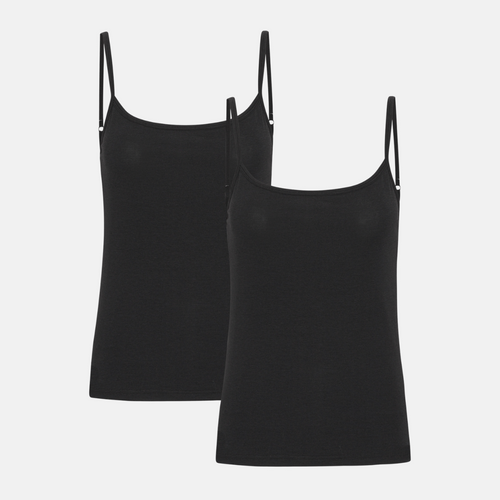
A more evenly spun yarn costs more to produce, but gives fewer nubs and a smoother surface on the finished fabric. See bamboo t shirt for women. Cheap yarn is often unevenly spun, and that shows up as small irregularities after just a few washes, while a better yarn keeps its look far longer.
A tighter knit uses more material
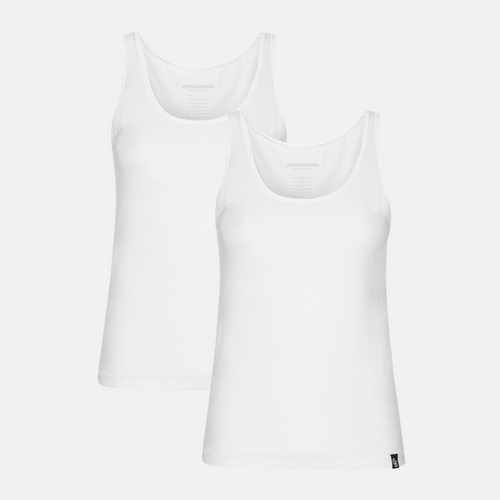
More grams of fabric per square metre needs more yarn and more time on the knitting machine, and both cost more. See bamboo clothing for women. In return a denser fabric holds its shape better, becomes less see through, and handles more washes without turning thin or uneven on the surface.
Seams and reinforcements
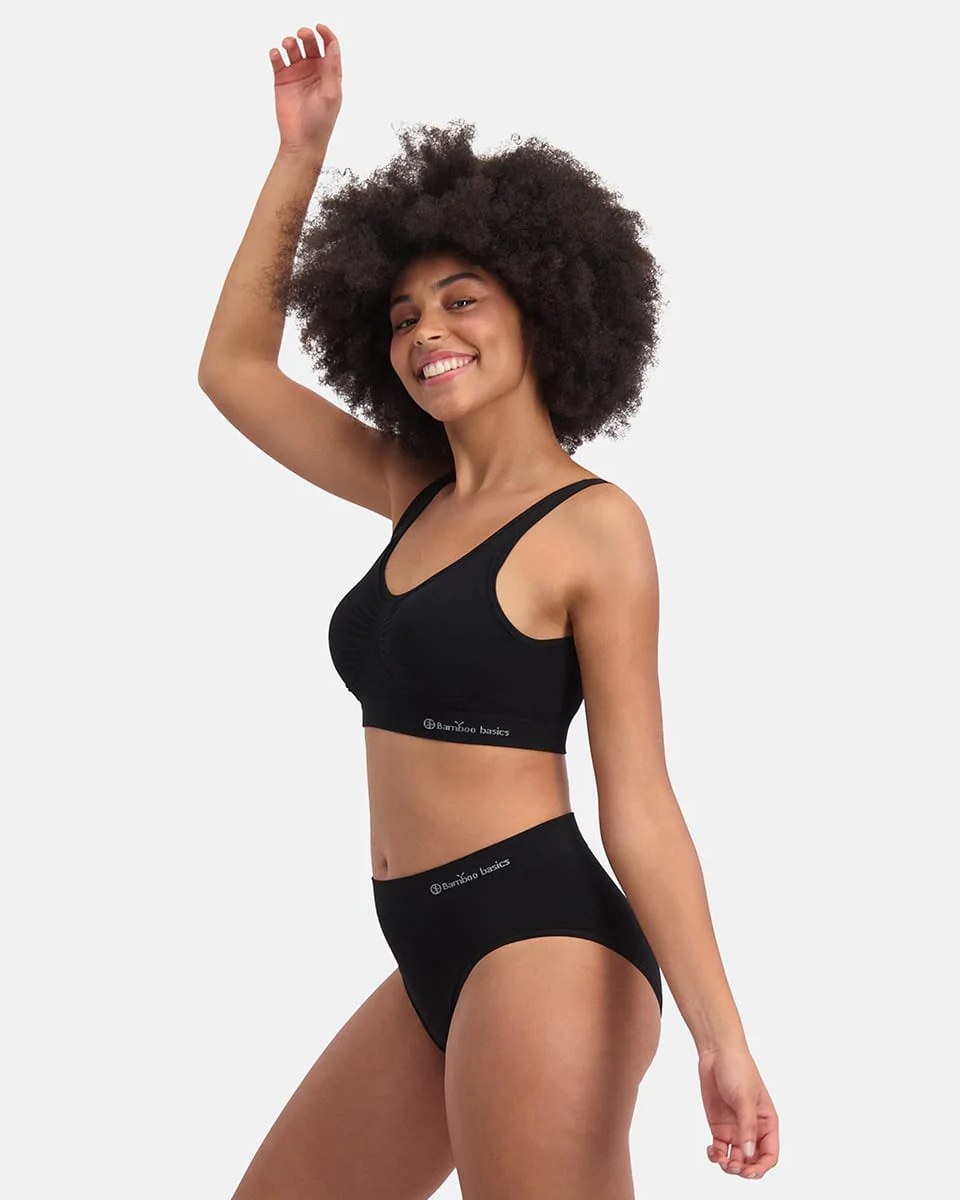
Flat seams and reinforced edges need extra sewing work and often a different machine than the cheapest zigzag seams. See bamboo underwear for women. It pays off most where the fabric wears the most, such as at elastic edges and inner seams, where a poor seam is otherwise the first thing to fail.
Quality control costs too
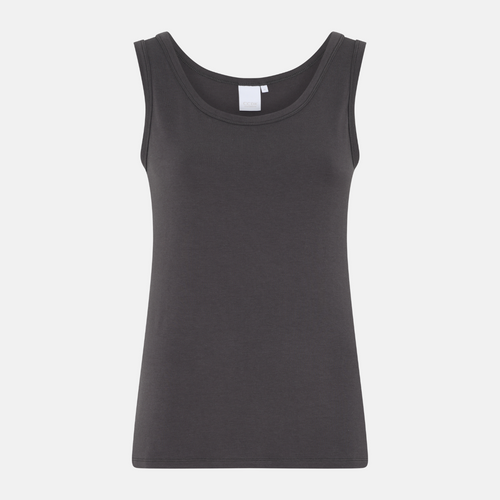
Checking every single item before it leaves the factory costs time and therefore money, but it removes most faulty pieces before they reach your drawer. See bamboo tops for women. Without that check more faults slip through, and you only notice them at home once the item has already been worn or washed.
Dyeing and finishing matter as well
Good dyeing needs more steps and tighter control of temperature and time, so the colour holds instead of bleeding out at the first wash. A cheap dyeing process saves time, but the result often shows as faded or discoloured pieces after short use, even when the rest of the garment is still fine.
The brand name is not a guarantee
A known name on the label does not automatically say anything about yarn quality or sewing work. Part of the price of an expensive brand goes to marketing and design rather than the fabric itself. It is still worth feeling the fabric and checking the seam, whatever name sits on the tag.
How to feel the difference yourself
Hold the fabric up to the light and see how much passes through, and rub it lightly between your fingers to feel whether the yarn is even. A denser and better fabric blocks more light and feels firmer without being stiff. That check takes a minute and often says more than the price tag.
The price gap shows after many washes
The difference between cheap and pricier yarn is rarely visible at first glance, but becomes clear after twenty or thirty washes. A cheap fabric loses shape and colour faster, while a better fabric still looks like itself. Durability, not the first impression, usually decides whether the price was worth it.
Frequently asked questions
What do you pay for in a pricier garment?
Better yarn, tighter knit, more sewing work and stricter control. Not necessarily the name, which often covers marketing and design rather than the fabric itself.
Can you see the quality yourself?
Partly. Hold the fabric to the light and feel its weight with your fingers. A tighter knit is heavier and blocks more light than a thin, cheap fabric.
Is pricier always better?
No. The price can also cover marketing rather than fabric. Look at the seam and yarn rather than only the brand when judging quality.
You can find the full range at Bamboo-Clothing.com.