What you should know about clothes and everyday economics
Short answer: Price per wear determines what a piece of clothing actually costs, not the price tag alone. A piece worn weekly for three years is cheaper per use than one worn twice and left hanging in the closet for the rest of its life.
Price per wear as a simple calculation
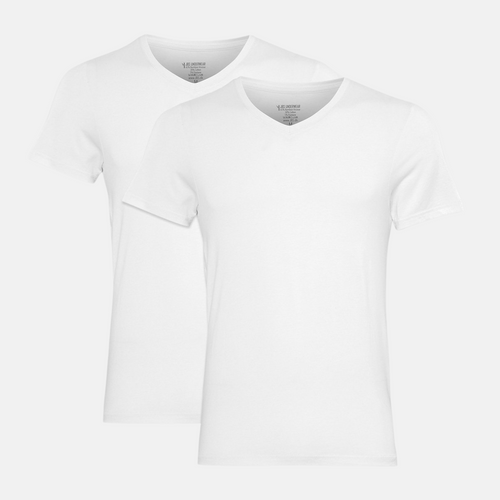
Divide the price by the number of times the piece gets worn, and you get a figure that is far more telling than the purchase price alone. It often changes which purchases actually made sense in hindsight. See bamboo underwear for men.
Basic items usually win
Underwear and socks get worn more times per week than most other categories of clothing, giving them the lowest price per wear in the wardrobe. That makes them a sensible place to invest a little more. See all bamboo socks for men.
Washing decides lifespan more than you think
Material quality sets the ceiling for how long something can last, but washing decides how close you actually get to that ceiling. Incorrect washing shortens lifespan noticeably, regardless of what the piece cost. See washing and care.
Owning more pieces makes each one last longer
If each individual piece is worn half as often because you have several to rotate between, it lasts roughly twice as long in calendar time. That often makes owning five cheaper than owning two and wearing them hard.
Avoid what you do not actually wear
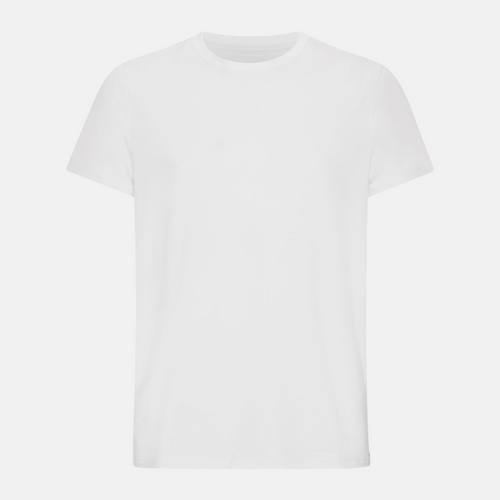
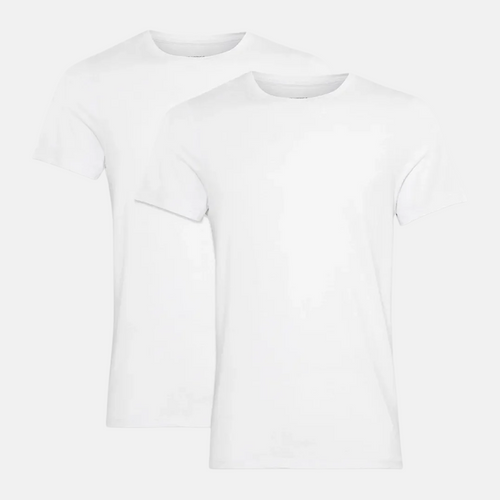
A purchase that never gets worn has an infinitely high price per wear, no matter how little it cost in the shop. It is cheaper to own one piece that gets worn often than five that sit unused. See bamboo T-shirts for men.
Seasonal items need a different calculation
Clothing worn only a few months a year, like warm winter underwear, should be measured against how often it is used during that period, not against the whole year. A lower frequency of use is normal, not a sign of waste.
Quality pays off over time
A more expensive piece of good quality can easily have a lower price per wear than a cheap one, if it gets worn significantly more often and lasts significantly longer. Look at lifespan rather than purchase price alone. See bamboo underwear for women.
Keep an eye on the wardrobe over time
A quick overview of what actually gets worn and what does not makes it easier to avoid repeating the same mistaken purchases. Clear out once a year, and notice what never gets used at all.
Frequently asked questions
What exactly is price per wear?
The price divided by the number of times the piece gets worn. It shows what something really costs over time, far better than the original price tag alone.
Which items usually have the lowest price per wear?
Underwear and socks. They get worn more times per week than almost any other type of clothing, so the price spreads across as many uses as possible.
Is more expensive clothing always pricier in the long run?
Not necessarily. A piece that lasts three times as long as a cheap one can easily be cheaper per wear over its whole lifespan.
You can find the full range at Bamboo-Clothing.com.