When a fabric becomes see through
Short answer: Short answer: Fabric turns see through when the knit is open enough for light to pass between the stitches. It depends on weight, colour and how much the fabric stretches over the body, and you can plan around all three.
Weight sets the baseline
Below one hundred and forty grams most solid fabrics are somewhat see through, no matter how tightly the yarn is spun. Above one hundred and seventy grams it takes much more before light gets through. A heavier fabric gives you a built in buffer, even in light colours. See bamboo t-shirt for women.
Light colours show the most
White and pastels let more light through than dark shades, because dark colour absorbs some of the light instead of passing it on. Two pieces of the same fabric in different colours can look completely different. Choosing a darker shade gives you extra reassurance without changing the style.
Stretch opens the knit
A garment stretched over the body looks more see through than the same fabric held loose in your hand, because the stitches pull apart and block less light. That is why a fitted piece can look thinner than it really is. See bamboo clothing for women.
A layer underneath fixes it
A thin layer underneath solves the problem without adding much warmth, since it breaks the contrast between skin and light. Choosing a shade close to your own skin tone makes the layer nearly invisible through the outer fabric. It is a simple fix whenever you are unsure about a particular piece.
Pattern and texture matter too
A pattern with tight stripes or dots often hides more than a solid surface, since the eye reads texture rather than transparency. Ribbed knits and other tight structures work the same way. Choosing a slightly textured fabric often lets you go lighter without the risk of anything showing through.
Washing can change transparency
Repeated washing at high heat can stretch the fibres slightly and make a fabric a bit more open over time. Always follow the care label and avoid unnecessarily high heat if you want to keep the tight structure. A gently treated fabric stays as dense as day one far longer.
Light conditions matter
Strong sunlight or harsh artificial light reveals transparency that is simply not visible in ordinary indoor light. Check a garment both near a window and under normal lighting before deciding. See bamboo tops for women.
Test it yourself at home
Hold the fabric up to a window or a lamp and see how much light passes through, both relaxed and gently stretched. It gives you a quick and reliable picture without having to guess. Do this before wearing the piece somewhere you would rather not be caught out.
How to choose with confidence
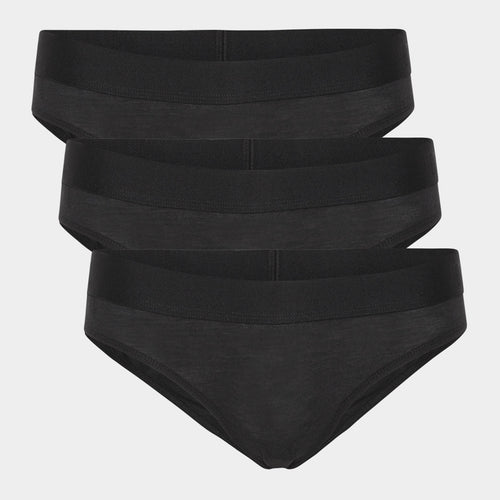
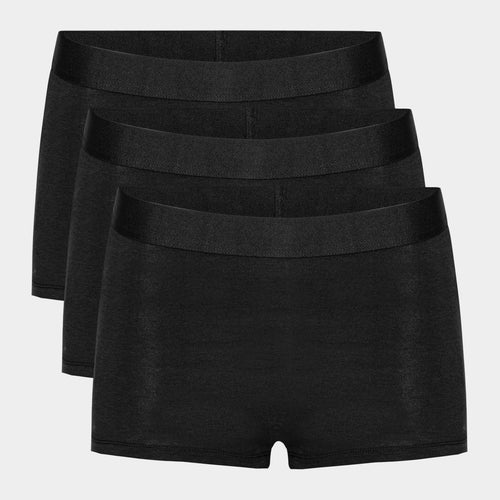
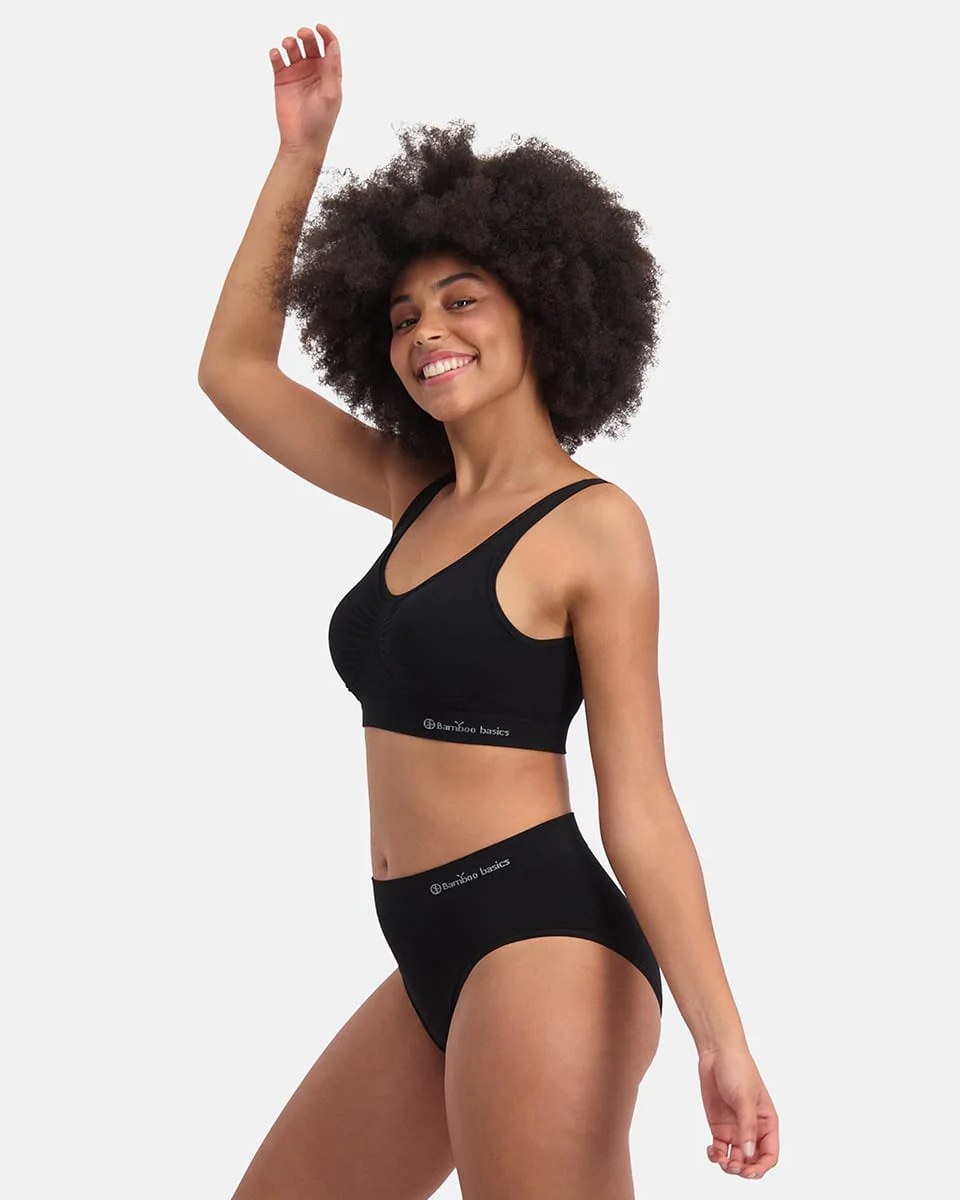
Pick a weight above one hundred and seventy grams, a darker colour or a textured fabric if transparency worries you. A layer underneath in your own skin tone is the easiest fix. See bamboo underwear for women.
Frequently asked questions
When does fabric become see through?
When the knit is open enough for light to pass between the stitches. Weight, colour and stretch decide it together, and all three can be planned for in advance.
Why is white more see through than black?
Because dark colours absorb some of the light while light colours let it pass through. The same fabric in two colours can behave very differently in practice.
Can you test it in the shop?
Yes. Stretch the fabric gently and hold it up to the light from a window. That is also how it behaves once worn, so the test gives a realistic picture.
You can find the full range at Bamboo-Clothing.com.