When creases are acceptable
Short answer: Creases in loungewear and in loose linen pieces are perfectly normal. Creases in a shirt or a smart top read as if the garment has spent time in a pile. So it depends on the garment and on where you plan to wear it.
What decides it
The deciding factors are the fabric and the occasion. Some materials crease no matter what you do, and there the creases are part of the look, like a loose linen shirt on a summer day. Other materials only crease if they have been stored badly, and then the creases look untidy. Ask what the garment should signal before worrying about folds.
The fabric makes the difference
Cotton and linen crease quickly because the fibres bend sharply and stay in the fold. Bamboo viscose creases less than linen but more than polyester, so it is never entirely crease free. Weave and thickness matter too: a dense knit hides most folds, while a thin woven fabric shows every one. Notice this before you buy.
Where creases show most
Creases show most on the shoulders, chest and sleeves, because light falls directly on those flat areas. On the back and under the arms they are seen less, because nobody looks there. So the visible surfaces are the ones to watch when you hang clothes up. See women's bamboo pants for everyday wear, where light folds rarely matter.
When creases belong
In loungewear, on holiday and in loose pieces, light creases are part of the mood. Nobody expects pressed folds in a cosy top or a soft pair of trousers, and a garment that looks lived in often feels more relaxed. Here comfort counts, and a creased fold does not change how well the piece fits or feels.
When creases look untidy
In a shirt, a blouse or a smart top that should look sharp, creases read as untidy. Here you can see at once whether the piece has been squeezed into a drawer. At a meeting or a dinner, a smooth surface is part of the overall impression, and a few minutes of care make a big difference.
How to avoid them
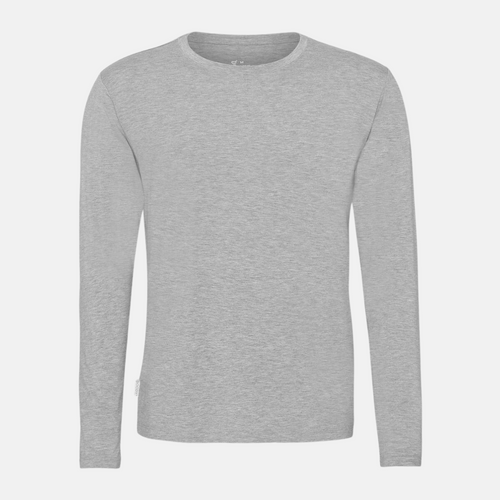
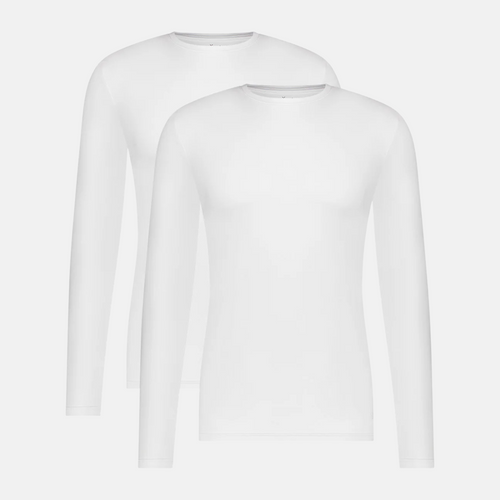
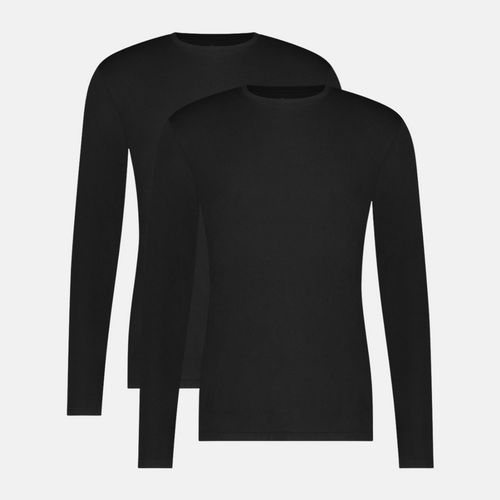
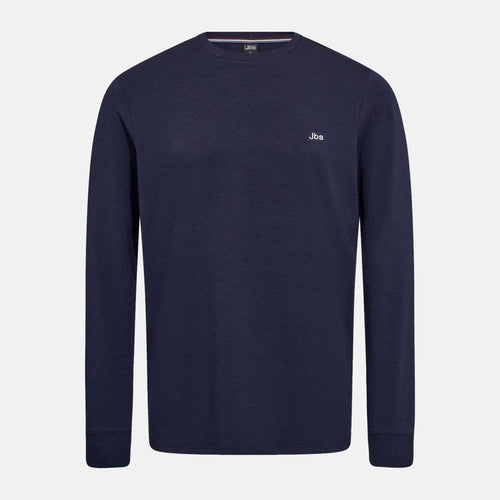
Hang the garment up straight after drying, while the fibres are still soft and easy to smooth. Shake it out well before it goes on the hanger, and do not pack the wardrobe so tightly that clothes are pressed together. Use a hanger with a broad shoulder for tops. See bamboo long sleeve t-shirt for men and bamboo clothing for women.
Help from the bathroom
If a garment has picked up light creases, hang it in the bathroom while you shower. The steam loosens the fibres, so the creases smooth out by themselves. Leave the garment hanging for a quarter of an hour afterwards so it can dry fully. The method works best on light folds and is a simple fix when the iron is out of reach.
Iron with care
Bamboo viscose can be ironed on a low heat. The symbol on the label tells you how low, and it is wise to follow it closely. If in doubt, turn the garment inside out and place a thin cloth in between. An iron that is too hot can leave shiny patches, so start too cool rather than too hot.
Choose for the purpose
Think about where and how often you wear the garment. On days full of long meetings a fabric that stays smooth is an advantage, while a weekend at home can easily cope with soft folds. Choose according to what you actually use the clothes for, and accept the creases where they do no harm. That makes daily life simpler.
Frequently asked questions
Does bamboo viscose crease a lot?
Less than linen and more than polyester. Hanging it to dry and hanging it up straight away usually solves most of it, so you rarely need to iron it afterwards.
Does it help to hang the garment in the bathroom?
Yes. Steam from the shower smooths light creases if the garment can hang for a while. For heavy creases, an iron on a low heat is still the safest solution.
Can you iron bamboo viscose?
Yes, on a low heat. The symbol on the label shows how low, and it is wise to follow it so that the fabric is not damaged or left with shiny patches.
You can find the full range at Bamboo-Clothing.com.