When it pays to repair rather than buy new
Short answer: When the damage is local and the rest of the garment is fine, repair can pay off. A hole in a seam is worth sewing. Worn through fabric rarely is. Assess the damage before you decide to throw it out.
Seams are easy to save
A seam that has come apart can often be sewn in a few minutes with ordinary thread in a matching colour. The fabric around the seam is usually fine, only the thread has broken. See bamboo clothing for women. It is the cheapest and most rewarding repair you can make, and needs no special skill or equipment.
Worn through fabric cannot be saved
If the fibres of the fabric itself are worn through, a patch rarely lasts long, because the material around the hole is already weakened. See bamboo t shirt for women. Here the garment is effectively done, and your time is better spent finding a replacement than attempting a repair that falls apart again anyway.
Waistbands can be replaced
A worn waistband or elastic edge can often be replaced for a fraction of the price of a whole new garment, if the rest of the fabric is still in good shape. See bamboo underwear for women. It takes a bit more skill than a simple seam, but still sits within what most people can teach themselves.
Count your time into the price
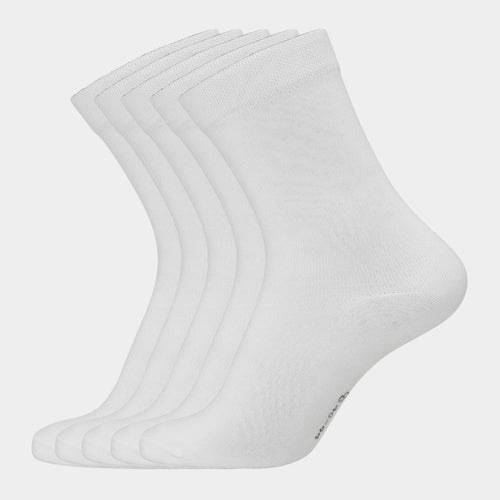
A repair that takes two hours is rarely cheaper than a new basic item, even when materials are cheap. See bamboo socks for women. Your own time has value, and for complicated repairs it can therefore make more sense to buy new rather than spend a whole evening on a patch job.
Assess the damage before you decide
Look at whether the damage sits in one spot, or whether several weak points are spread across the garment. A single hole may point to an accident, while several weak spots often mean the whole fabric is wearing out. That difference decides whether one repair is enough or only delays a replacement.
Wash correctly to avoid further repairs
Many faults come from incorrect washing, such as too high a temperature or too hard spinning, which strain seams and elastic unnecessarily. Following the care label extends the life of a garment and cuts the need for repair markedly. It costs nothing and is the most effective way to avoid repeated damage at the same spots.
Save good garments for repair
If a garment is otherwise comfortable and fits well, it is often worth repairing rather than replacing with something new and unknown. Familiar comfort is hard to put a price on, and a small repair can give several more years of use out of something otherwise discarded for a single flaw.
Professional help can pay off for costly pieces
For pricier or harder garments, a tailor can often deliver a neater and more lasting repair than home sewing, especially for waistbands and collar replacements. The price for that is usually low compared with a whole new garment, and the result often lasts as long as the original.
Frequently asked questions
When does it pay to repair?
When the damage is local and the rest is intact. Seams and waistbands are worth saving, while worn through fabric can rarely be patched successfully.
Can you save worn through fabric?
Rarely. If the fibres are gone, a patch will not hold long, because the material around the hole is already weakened by the same wear.
Should you count your own time?
Yes. A repair taking several hours is rarely cheaper than a new basic item, even when the material for the repair itself is cheap.
You can find the full range at Bamboo-Clothing.com.