Where the elastane sits in a knitted fabric
Short answer: Elastane can sit as a core inside the yarn, as a thread laid into every row, or only in the edges. Its placement decides where the fabric stretches and where it holds. Two fabrics with the same elastane share can therefore behave differently.
What elastane does in a knit
Elastane is an elastic fibre that lets the fabric give way and pull back again. In a knit it is rarely alone. It is blended with other fibres, and where it sits matters at least as much as how much of it there is in total.
A core inside the yarn
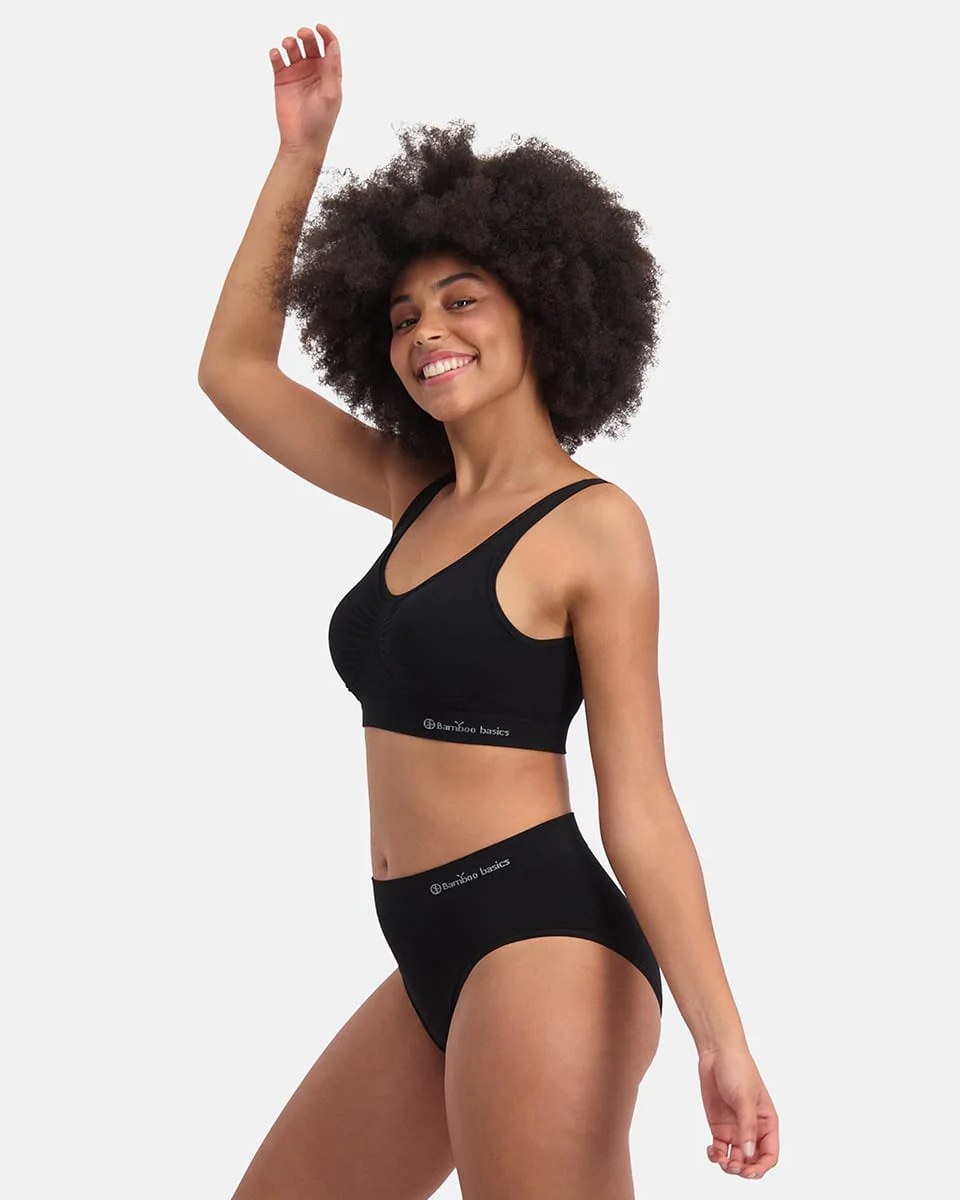
Here the elastane is spun into the middle of the yarn, and the other fibre wraps around it. The whole surface stretches evenly, and the fabric follows the body smoothly. This is used in close-fitting underwear and sportswear, where the fabric should give in every direction without pressure points.
A thread laid into the rows
A thin elastane thread runs along in every row or every second row. The fabric stretches most in width and less in length, which gives a stable fit. To see how such a fabric feels on a calm piece, look at bamboo jogging suits for women.
Only in edges and waistbands
The fabric itself has no elastane, but the edge has elastic. That gives a soft garment where only the spot that must hold is snug. Waistband, cuff and neckline get their grip from the elastic, while the rest lies free. See bamboo loungewear for women.
How to feel the difference
Stretch the fabric somewhere away from the edge. If it snaps back quickly, there is elastane in the surface. If it stays slack, there is none, and only the edge holds. Pull across and along as well, to see whether the fabric gives equally in both directions.
Elastane throughout is not always better
Elastane in the surface gives a close fit, but also faster fatigue in the fabric, because it works all the time. A fabric without elastane in the surface can be calmer and more comfortable for daily wear. The right choice depends on whether you want a close fit or a soft, loose piece.
Why the label shows one total share
The label states the makeup of the whole garment, not where the fibres sit. Two garments with the same elastane share can therefore feel different, because the elastane is placed in two ways. The share tells you how much, not how. Read the description and try it on if unsure.
Elastane and care
Elastane breaks down over time, especially in high heat. Wash gently and avoid the tumble dryer if you want the fabric to keep its shape longer. A garment that has gone slack has often lost some of its stretch. Always follow the care label and read it before the first wash.
Choose by need
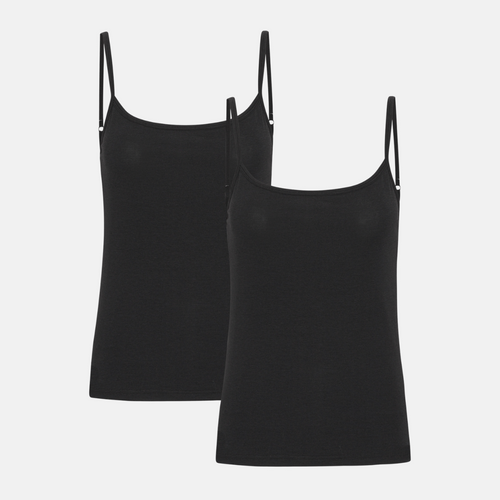
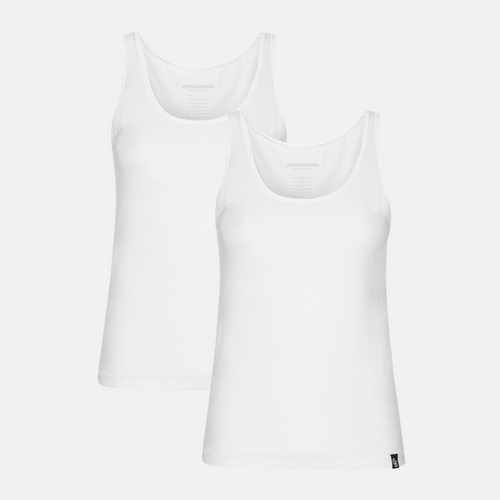
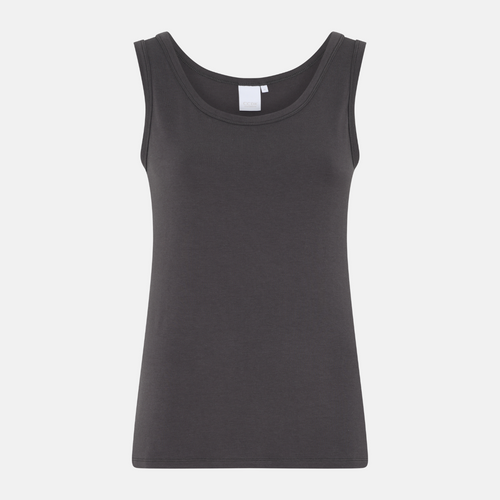
If you want a garment that sits close and follows you in motion, elastane in the surface is a good choice. If you want something soft and calm for home, a fabric without elastane in the surface may be enough. Also see bamboo tops for women to compare fit on tops.
Frequently asked questions
How do I know which type I have
Stretch the fabric away from the edge. If it snaps back quickly, there is elastane in the surface. If it stays slack, it sits only in the edges.
Is elastane throughout always better
Not always. It gives a close fit but also faster fatigue in the fabric, so a soft garment can be a better choice for everyday wear.
Why does the label show only one total share
Because the label states the makeup of the whole garment, not where the fibres sit, so two garments with the same share can feel different.
You can find the full range at Bamboo-Clothing.com.