Which fabrics make good cloths
Short answer: Cotton, bamboo viscose and terry cloth absorb well and make the best cleaning cloths. Polyester and nylon barely absorb and should become something else. Choose by task, depending on whether you are wiping up something wet or polishing a surface.
The good ones
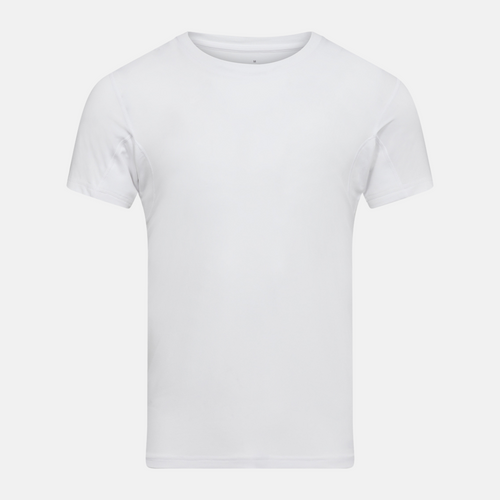
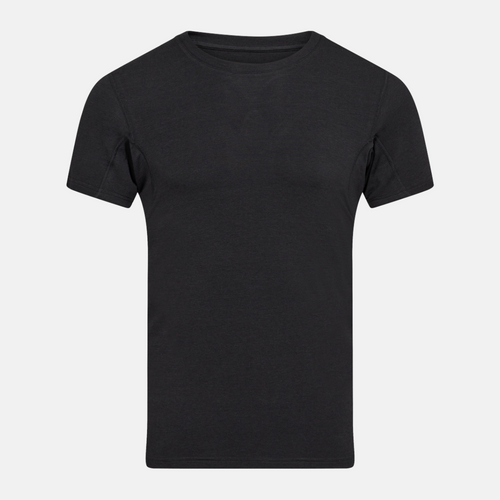
Old t-shirts, towels and sheets. All three are made of fibres that take up water, and they are flat enough to reach into corners. Cotton, bamboo viscose and terry cloth handle the most jobs in a home. They are easy to cut and sit well in the hand. See bamboo towels.
Why absorbent fibres work
A cloth has to take up water and hold on to it. Fibres of cotton and bamboo viscose draw moisture into the fabric instead of leaving it on the surface. That is why an old cotton cloth feels dry again after a few wipes, and you do not have to rub hard to get a good result.
The poor ones
Fleece, sportswear and anything made of polyester. These push the water around instead of absorbing it, and they leave streaks on glass. The same goes for nylon. It is better to hand such clothes in for textile collection than to cut them up, because you only get cloths that move water from one place to another.
Streaks on glass
Streaks appear when a cloth does not take the water with it but smears it. If you have ever cleaned windows with an old sports top, you know the result. Use a flat, woven cotton cloth or a piece of old sheet instead, and let the glass dry without marks.
The special ones
Some fabrics have their own job. Terry cloth for the wet, jersey for the dry and a woven sheet for windows. If you sort the cloths by fabric, the work goes faster with less lint, and you avoid using a thick cloth where a thin one would do better. See bamboo sheets.
Terry cloth for the wet
The loops in terry cloth hold a lot of water. That makes it the best choice for mopping up spills from the floor, emptying a sink or drying a worktop after the washing up. An old towel cut in two or four pieces sits well in the hand and can be wrung out again and again.
Jersey for the dry
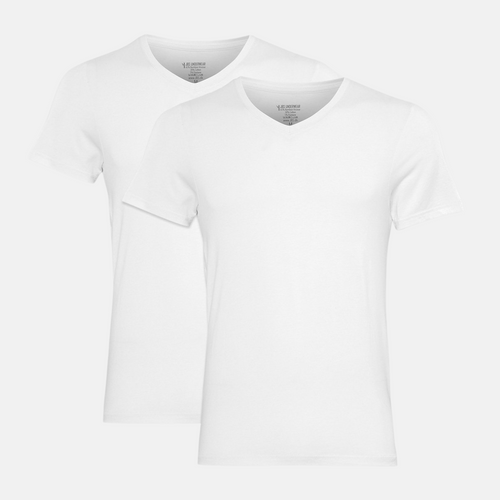
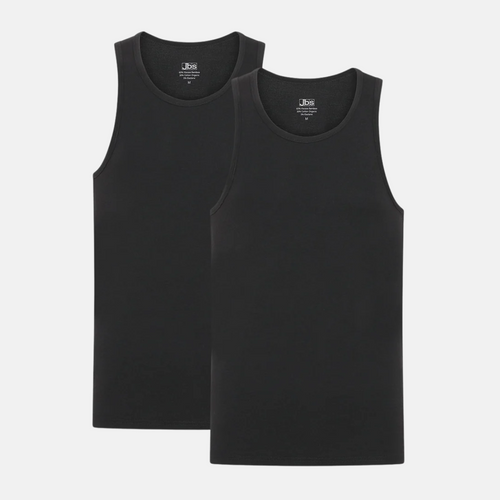
Jersey lies flat against the surface and leaves less lint than terry cloth. That makes it the best choice for dust, screens and shiny surfaces. An old t-shirt or undershirt cut into squares is soft on the surface and easy to handle. See bamboo undershirts for men.
A woven sheet for windows
A woven fabric without loops and without lint is best for windows and mirrors. An old sheet is tightly woven and smooth, so no residue stays on the glass. Cut it into squares and keep a fixed pile just for glass, so it is not mixed up with the floor cloths.
How to test a fabric
If you are unsure, make a simple test. Put a small drop of water on the fabric and see what happens. If it is soaked up at once, the fabric is good for cloths. If the drop stays on the surface, the fabric does not take up water and should be used for something else.
Frequently asked questions
Which fabric is best for windows
A flat, woven fabric without lint, for example an old sheet. It leaves neither streaks nor residue on the glass, and it can be washed and used again for the same job without any trouble.
Can old towels be used for the car
Yes, but wash them separately afterwards. Terry cloth absorbs well and is easy to wring out, so it suits drying a car, but it should not go in the machine together with clothes.
Does jersey leave lint
Less than terry cloth. For shiny surfaces and screens jersey is best, because it lies flat against the surface and has no loops that could pick up lint.
You can find the full range at Bamboo-Clothing.com.