Which layer should be innermost
Short answer: The thinnest layer, and the one that sits closest. The job of the base layer is to move moisture away from the skin, and it can only do that if the fabric touches the skin. Thin at the base, airy in the middle and windproof outside is a good rule of thumb.
The job of the base layer
The base layer sits closest to the skin, and its job is to move moisture away from the body. It is not there to keep the heat in on its own but to make sure sweat does not stay against the skin. That is why the choice matters more than many think.
Why the thinnest goes first
A thin layer can pass moisture on to the next layer instead of holding it. A thick layer against the skin gets saturated and feels clammy, even when the temperature is fine. So the thinnest garment goes closest, and thicker layers sit outside where they can take the moisture passed on.
Why it should sit close
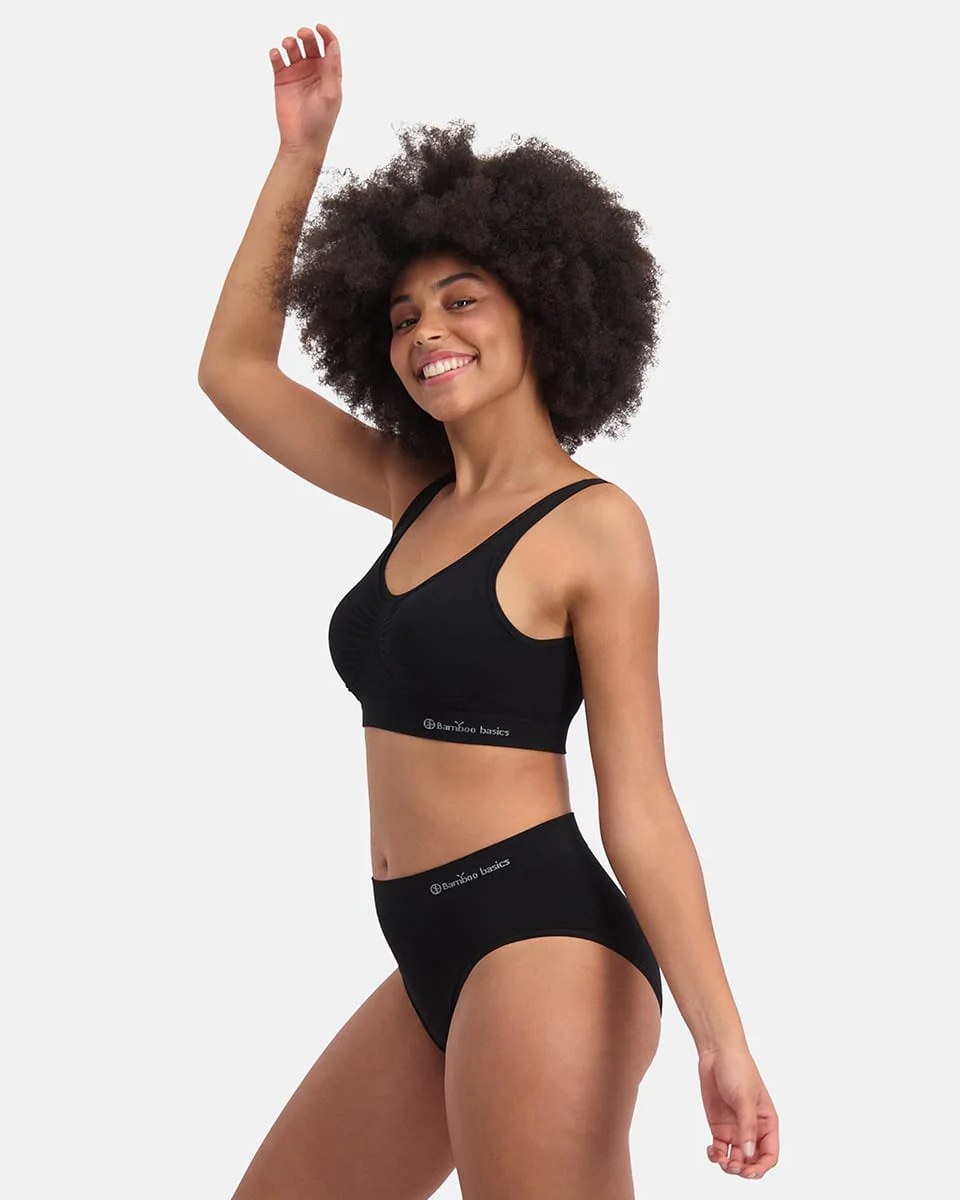
The fabric has to touch the skin to move moisture away. A loose base layer only touches the skin in a few places, and the rest of the sweat stays put. So the base layer should fit close but not tight, like a second skin. Bamboo underwear for men is one example of a close-fitting base.
The order outwards
The order is thin at the base, airy in the middle and windproof outside. Each layer needs room for the one below without squeezing, or the air is pressed out and the layers insulate worse. Think of a ladder where each rung has its own job: move moisture, hold warmth and keep the wind out.
The middle layer
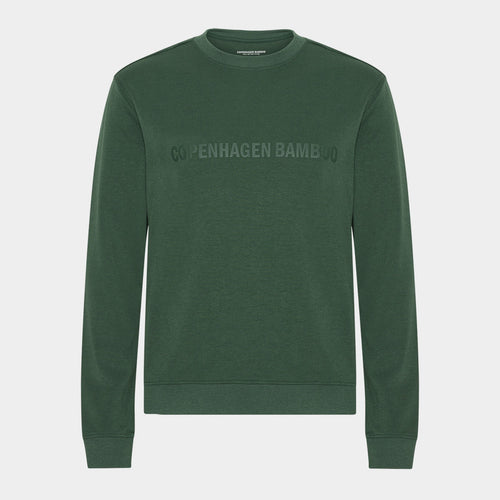
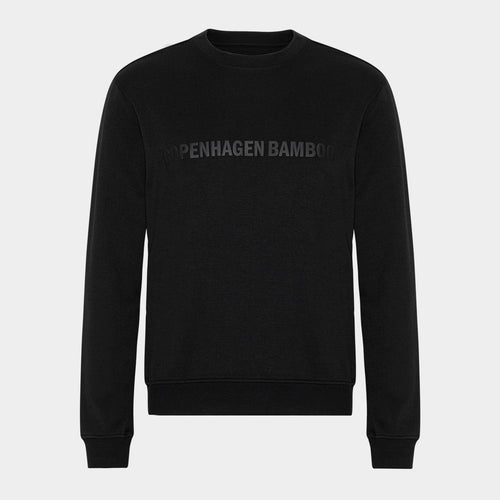
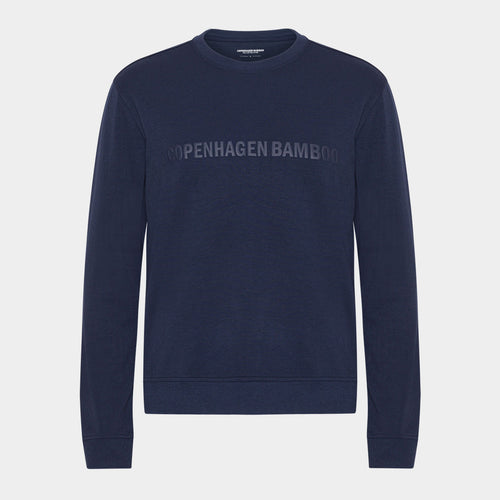
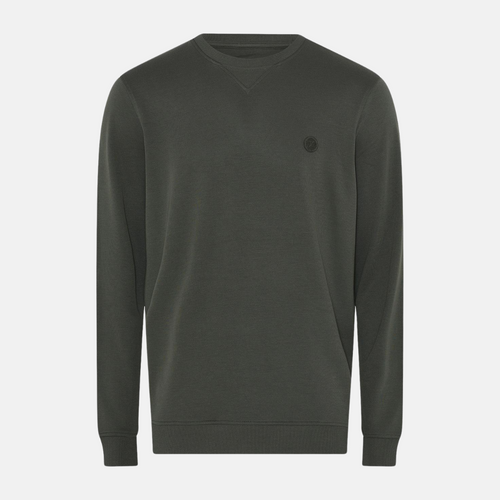
The middle layer should be airy, because it is the air between the fibres that holds warmth. It takes the moisture the base layer passes on and gives it room to leave outwards. A sweatshirt can be a good middle layer if it is not too tight. See bamboo sweatshirts for men.
The outer layer
The outer layer is windproof, so it keeps the wind out and lets the middle layer hold its warmth. It needs enough room for the layers underneath, or the air is pressed out. Remember that the outer layer should not handle moisture alone. If the base layer works, there is far less to carry away.
Common base layer mistakes
The most common mistake is a base layer that is too thick or too loose. A thick one gets saturated and clammy, and a loose one does not touch the skin enough to move moisture. The other mistake is wearing layers so tight that the air is pressed out. Give each layer room and the whole system works better.
A t-shirt as a base layer
A t-shirt works as a base layer if it is thin and fits close. If it is too loose or too thick, it loses its function. The material also matters, because plant-based fibres absorb moisture while synthetic ones carry it onwards. A bamboo undershirt for men suits the innermost layer.
Putting the layers together
Start with the thin, close-fitting layer and add an airy middle layer when it is cold. The outer layer comes last and is worn only when the weather asks for it. Check whether anything feels tight and loosen it. That gives you a system that moves moisture away and holds warmth without fuss.
Frequently asked questions
Can you use a t-shirt as a base layer
Yes, if it is thin and fits close. If it is loose or thick, it will not move moisture away from the skin. Choose a t-shirt that feels like a second skin and wear thicker layers over it.
What if the base layer is loose
Then it does not move moisture away, and you feel clammy. A loose layer touches the skin in only a few places, and the rest of the sweat stays put. Choose one that fits close without being tight.
Does the material matter
Yes. Plant-based fibres absorb moisture, while synthetic ones carry it onwards. Both can work, but they behave differently, so it helps to know the difference when you pick layers.
You can find the full range at Bamboo-Clothing.com.