Which part of a garment dies first
Short answer: It is most often the elastic. In most cases the waistband or cuff gives up long before the fabric is worn through. That makes the elastic worth checking when you judge a garment.
The elastic usually gives up first
When a garment can no longer be used, it is rarely because the fabric has failed. More often the waistband has gone slack, or the top of a sock no longer stays up. That is the part used most and the part stretched most.
Why the elastic
The rubber inside an elastic breaks down from heat, sweat and light. The fabric around it wears mechanically and slowly. The two processes run at very different speeds, and the rubber loses. So you can have a garment with fine fabric and a slack waistband, and that is not unusual at all.
How to see that it is giving up
Pull the waistband to double its width and let go. If it does not spring fully back, the rubber is nearly spent. Also feel whether the garment slides down or rolls as you move. If it is sticky to touch, it is long past its best.
The next three places
The neckline of a t-shirt, the heel of a sock and the crotch of underwear. All three are places where fabric is stretched or rubbed many times a day. If you need new socks, see all bamboo socks for men and look at how the cuff is made.
Neckline and heel
The neckline is stretched every time you pull the garment on and off, and it can go wavy over time. The heel of a sock rubs against the shoe. Both are normal wear points. It is therefore a good idea to look at them early and not only once a hole has appeared.
The crotch of underwear
The crotch takes rubbing, heat and sweat every day, and it is a place where fabric often becomes thin. Check whether the seam lies flat and whether the fabric is doubled where you rub most. See bamboo panties if you want to compare with a new pair.
What this means for your purchase
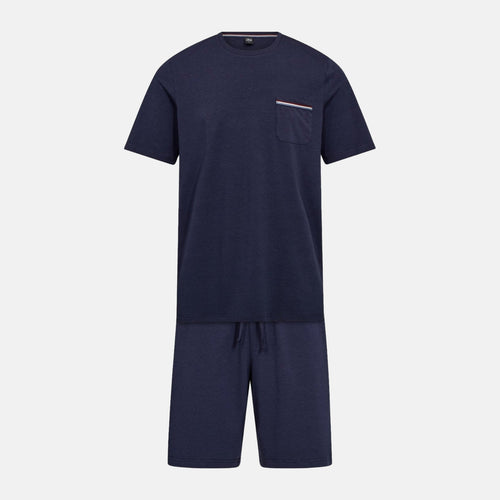
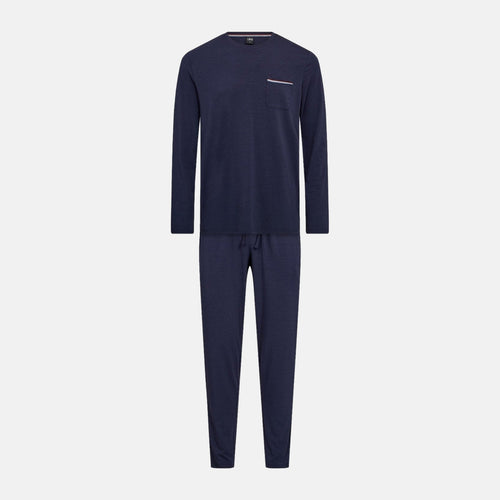
Judge the elastic before you judge the fabric. A wide, covered elastic often lasts longer than a narrow, bare one, because the pressure is spread over more rubber. That also goes for pyjama trousers, where the waistband sits at the waist all night. See bamboo pajamas for men.
How to protect the elastic
Wash at 40 degrees or cooler, skip the tumble dryer, and do not dry garments on a hot radiator. Heat is the elastic's greatest enemy, and those three habits alone can make a noticeable difference. Turn garments inside out in the wash so the surface does not rub unnecessarily.
Can you repair a slack elastic
It is possible to sew in new elastic, but it takes a sewing machine and some patience, and it is seldom worth the trouble on an ordinary basic. If the waistband is the only fault and the fabric is otherwise fine, it may still be worth a try.
Frequently asked questions
Can you replace an elastic
Yes, but it takes a sewing machine and is seldom worth the trouble on an ordinary garment. If the fabric is otherwise whole it can be worth a try, but most people choose to buy new.
What wears out the elastic fastest
The tumble dryer and washing above 40 degrees. Heat is the rubber's greatest enemy, and every time the garment is exposed to heat, it gets a little harder for the elastic to spring back.
Why do some waistbands last much longer
They are wider, so the pressure per square centimetre is lower. The rubber has to stretch less to hold the garment in place, and it wears down more slowly over time.
You can find the full range at Bamboo-Clothing.com.