Why a wet base layer is worse than none
Short answer: A wet layer against the skin conducts heat away and keeps cooling by evaporation. Without the layer, the skin would dry, and the cooling would stop by itself.
The water sits in the worst place
The base layer lies directly against the skin. If it is wet, there is no air in between, and heat is conducted out with no resistance. The body therefore loses heat faster through the wet layer than it would with nothing on. That is why a wet layer can be worse than none.
Evaporation keeps going
As long as there is water in the fabric, evaporation and therefore cooling continue. That is why a wet layer feels cold for hours. Without the layer, the skin would dry after a short time. With it on, new water keeps arriving for the body to spend heat evaporating.
Change before the break
Take the wet layer off before you sit down, not after you start to freeze. During a break, heat production falls, and the wet layer quickly becomes a source of cold. A dry layer stops both mechanisms at once. That goes for trips as well as for an active day at home.
When nothing beats wet
If you have nothing dry to change into, it may be better to take the wet layer off, provided you are sheltered from wind and rain. Otherwise it is better to keep moving so the body makes enough heat. Judge the situation and pick the safest option.
Wind makes it worse
Wind carries away the damp air at the fabric and speeds up evaporation. Cooling becomes stronger, and a wet layer feels much colder in a breeze. That is why it is felt most when it blows. Shelter, a jacket or simply changing direction can make a clear difference until dry clothes are available.
A dry layer in the bag
An extra base layer in the bag is a simple insurance. Choose something that takes little room and goes on quickly when it counts. Pack it in a bag so it stays dry whatever happens to the rucksack. The same applies if you cycle to work or walk a long way.
Which fabric dries fastest
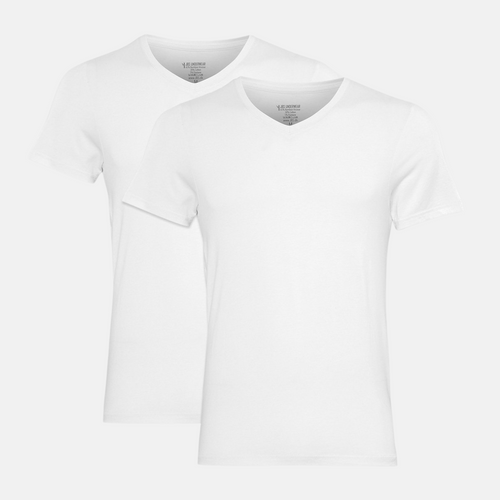
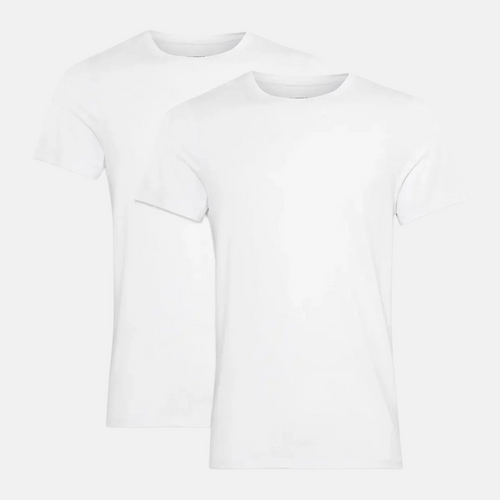
Thin fabrics with little material and a large surface dry fastest on the body. Thick, dense fabrics hold moisture longer and feel colder when wet. Choose thin and soft for the base layer and put thicker layers on top, which hold warmth without lying directly against the skin.
For rest and night
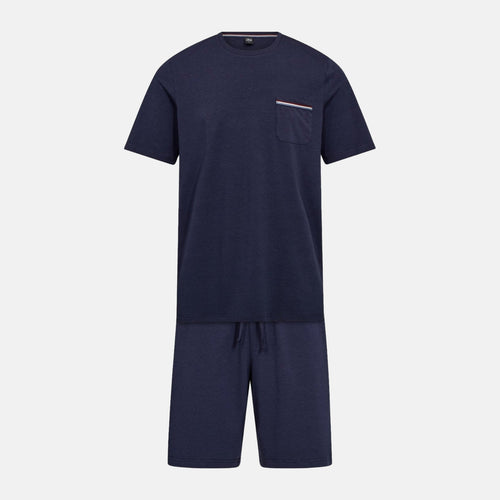
Even at night a base layer can get damp from sweat. Change into something dry if you wake up feeling clammy. See bamboo sleepwear for men if you want a soft set for sleep. Keep a spare set by the bed for the nights when it is needed.
When you get home
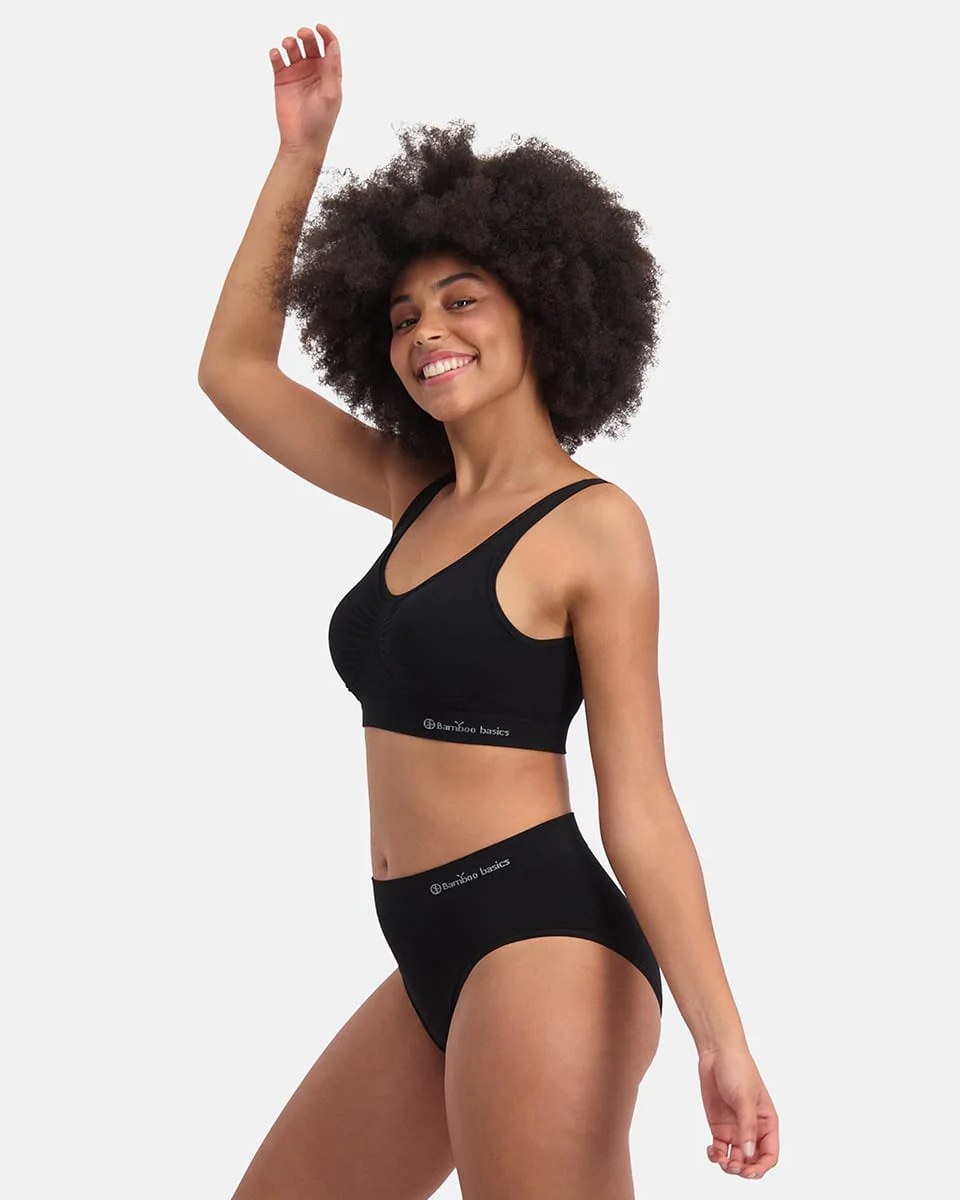
After an active day it is nice to put on something dry and soft straight away. See bamboo hoodie for men for the cool hours and bamboo loungewear for men when you want to relax. Take the wet layer off before you sit down so the body can settle without freezing.
Frequently asked questions
Should I take the wet layer off completely
Yes, if you have a dry one to put on. Otherwise it is better to keep moving so the body makes heat, and to find shelter from wind and rain.
Why is it felt most in wind
Because evaporation goes faster and cooling becomes stronger. The wind removes the damp air at the fabric, so there is always room for more evaporation.
Which fabric dries fastest on the body
Thin fabrics with little material and a large surface. Thick, dense fabrics hold moisture longer, feel colder when wet and dry more slowly.
You can find the full range at Bamboo-Clothing.com.