Why a wet fabric feels cold
Short answer: Water conducts heat far better than air. When fabric is wet, the insulating air has been replaced by water, and body heat is drawn away much faster. That is why a wet garment feels colder than the weather itself, especially in wind.
Air is the real insulation
Dry fabric is not warm by itself. The small pockets of still air between the threads do the work, because air conducts heat poorly. That is why a dry layer feels warm against the skin, even when it is thin. When the fabric loses that air, it loses most of its ability to hold warmth close to the body.
Water takes the place of air
When water fills the gaps in the fabric, the air pockets are gone. Water conducts heat many times better than air, so warmth from the skin passes straight into the fabric and on to the surroundings. You feel this as cold almost at once, even when the temperature outside is not low, especially if the fabric sits close.
Evaporation cools on top
When moisture in the fabric evaporates, every gram of water takes heat from the skin with it. This is cooling you do not control, and it comes on top of the faster heat conduction. That is why a wet garment feels icy in wind, since the wind keeps carrying away the damp air so evaporation never pauses.
How you notice it at night
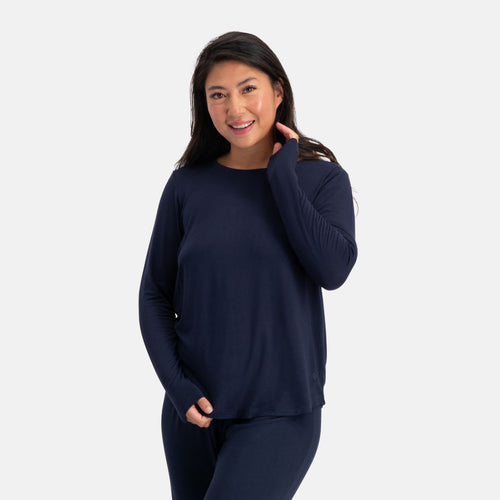
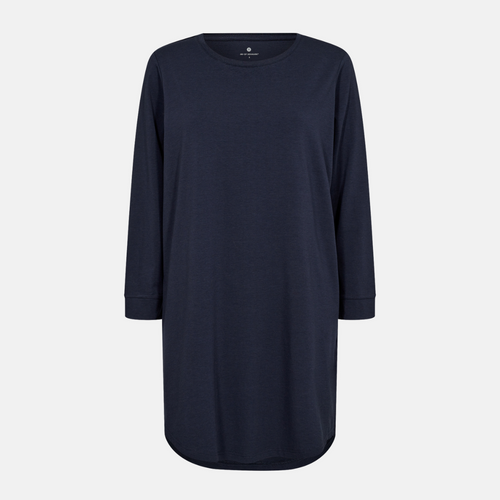
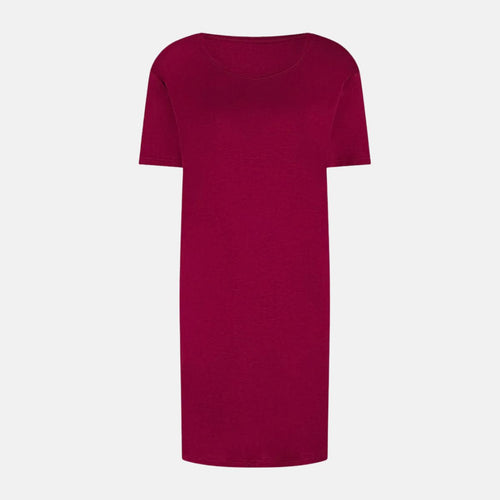
At night you lie still for many hours while the body keeps giving off heat and moisture. If your nightwear is damp, it feels cold as soon as you stop moving. Choose nightwear that feels dry and airy against the skin, such as bamboo sleepwear for women, and let it dry fully between uses.
Why it is not only the weather
It is easy to blame the weather when you feel cold. Yet a wet layer against the skin can make a mild day feel cold, while a dry layer can make a cold day feel comfortable. The difference lies in how much air is left in the fabric and how quickly moisture can leave again.
Wet clothes during exercise
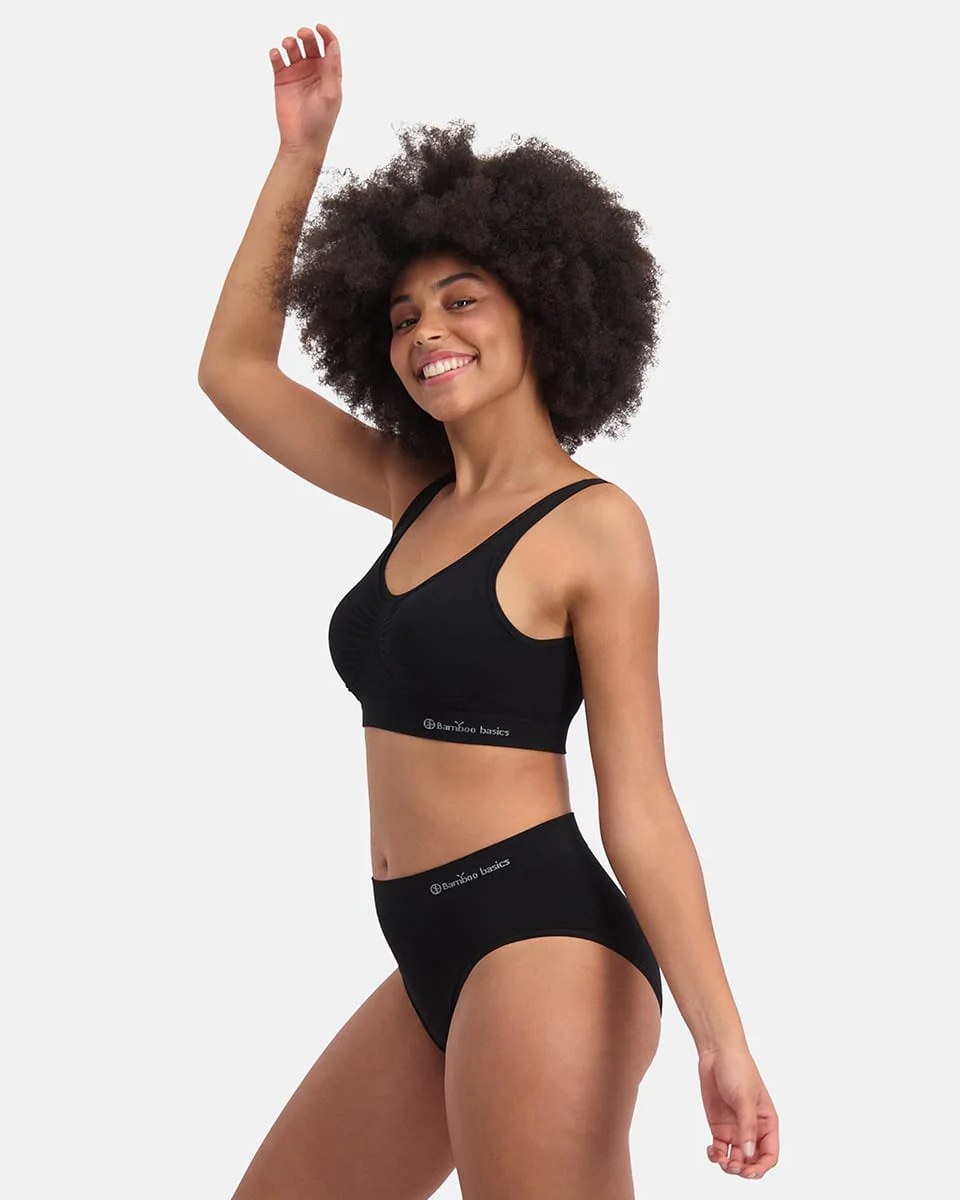
When you move, you sweat, and the sweat ends up in the clothes closest to the body. When you stop, the moisture starts to evaporate and takes heat with it. For exercise it helps to wear a layer that does not stay heavy and wet, such as a bamboo sports bra or similar sportswear.
Underwear sits closest
Underwear is the first layer, so it is the layer that receives moisture first. If it is wet, you feel the cold sooner than in any other clothing. Keep that in mind when choosing for daily wear, and browse our bamboo panties, where you can compare fit and styles to find what suits you.
Getting clothes dry again
Hang wet clothes so air can reach all around the fabric, and avoid leaving them crumpled on a radiator or in a closed basket. A little air movement carries away the damp air above the fabric, so evaporation gets going. Wait until everything is fully dry before putting it back in the wardrobe.
The main thing to remember
A wet fabric feels cold because water has taken the place of air and draws heat from the body through both conduction and evaporation. The answer is rarely a thicker layer, but a dry one. Change into dry clothes quickly after getting wet, and give the wet clothes time and air to dry properly.
Frequently asked questions
How much better does water conduct heat than air
Roughly twenty-five times better, which is why the difference between dry and wet clothing is so clear. Even a thin wet layer draws noticeably more heat from the body than a dry layer full of air.
What should I do when I have got wet in the cold
Change into dry clothes as soon as possible, or put a dry layer next to the skin. If you are outside without spare clothes, find shelter from the wind, because wind strengthens the cooling from wet fabric.
Why does a damp sheet feel cold at night
For the same reason. The moisture conducts heat from the body into the mattress, and evaporation takes more heat away. Air the sheet well and let it dry fully before using it again.
You can find the full range at Bamboo-Clothing.com.