Why bamboo socks smell less than cotton socks
Short answer: Odour comes from bacteria that feed on sweat. Bamboo viscose moves sweat away from the skin faster than cotton, and a drier foot gives the bacteria less to work with. The sock does not remove odour, but it makes conditions harder for what causes it.
Moisture, not material
The material itself does not smell. The problem is moisture between skin and fabric, and that is where the difference between cotton and bamboo viscose lies. Cotton soaks up moisture and holds it, so the fabric turns damp against the skin. Bamboo viscose moves it on. See all bamboo socks for men.
How odour forms
The foot has many sweat glands, and inside a shoe the sweat struggles to evaporate. Bacteria on the skin break the sweat down, and the substances formed along the way are what smell. The longer the foot stays damp, the more time the bacteria get. So the aim is to keep the foot as dry as possible.
Where you notice it most
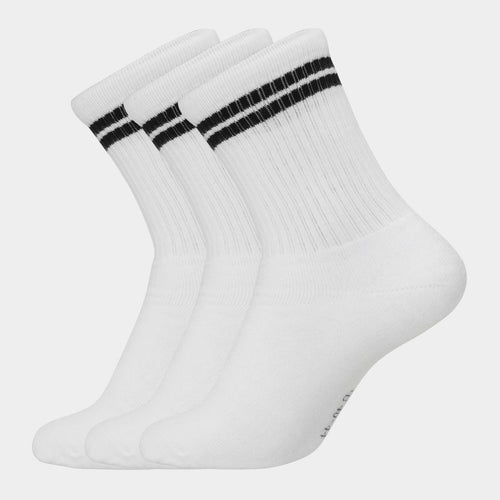
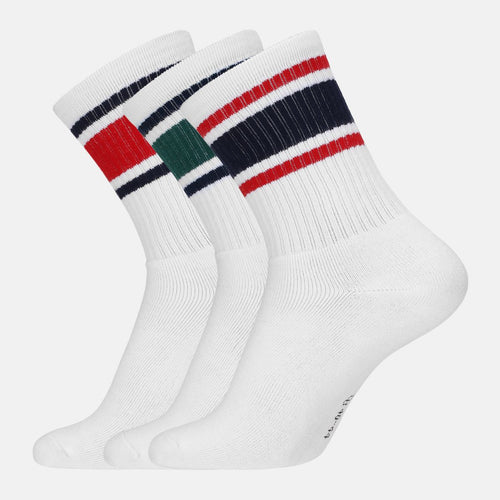
In a closed shoe without ventilation, moisture has no way out except through the sock. That is where the choice of material makes all the difference. It applies to trainers, work shoes and winter boots worn for hours. For sport and long days, a bamboo tennis sock is a good choice. See bamboo tennis socks for men.
The shoe needs to dry too
Whatever sock you wear, a shoe used every day never dries fully. Yesterday's moisture is still in the sole when you put it on the next morning. Rotate between two pairs so they dry in between. Take the insole out in the evening so air can reach it.
Wash without fabric softener
Fabric softener leaves a film on the fibres that stops the sock moving moisture. Then the whole advantage is gone, and the sock behaves like an ordinary one. Wash at 40 degrees inside out so the side that sat against the skin gets properly clean. See washing and care.
Change socks during the day
On a long day, or if you train after work, a fresh pair of socks can make a big difference. A sock that has absorbed sweat for hours can hardly take more. Keep a spare pair in your bag and change when your foot starts to feel warm and damp.
Thin rather than thick
A thick sock holds more moisture and makes the foot warmer. For everyday wear in normal shoes, a thin sock that moves moisture is often better than a thick one. Save thick socks for cold days when you are not walking much and warmth matters more than ventilation.
When the odour does not go away
Persistent strong odour, itching, cracks between the toes or discoloured nails can have causes other than moisture. Then it is worth talking to your doctor or a podiatrist. A sock can help keep the foot drier, but it does not treat a condition.
Small habits, big difference
A clean pair every day, dry shoes, no fabric softener and a sock that moves moisture away add up to less odour. None of them works as well on its own. It is the combination that keeps the foot fresh from morning to evening.
Frequently asked questions
Is bamboo viscose antibacterial?
No. It moves moisture away from the skin, and a drier foot gives bacteria less to live on. It is the moisture, not the fibre, that makes the difference.
Why do my shoes still smell?
Because the shoe does not dry between wears, and moisture stays in the sole. Rotate between two pairs of shoes and take the insole out in the evening.
Can fabric softener ruin the effect?
Yes. The film from the softener stops the sock moving moisture, and then it works like an ordinary sock. Always wash your socks without fabric softener.
You can find the full range at Bamboo-Clothing.com.