Why clothes should be turned inside out
Short answer: Because the outside is what you see, and the inside is what handles wear best. Turn a garment inside out, and the inner side takes the rubbing from the drum and from other clothes, sparing the right side.
The right side is spared
Pilling, a dull surface and faded colour appear exactly where the rubbing happens in the drum. Turn the garment inside out and most of the rubbing lands on the inner side, which nobody sees. The outside keeps its look for longer, and the garment looks neater after many washes.
Prints are protected
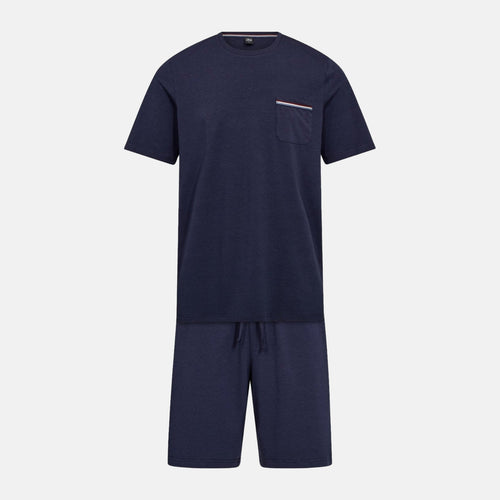
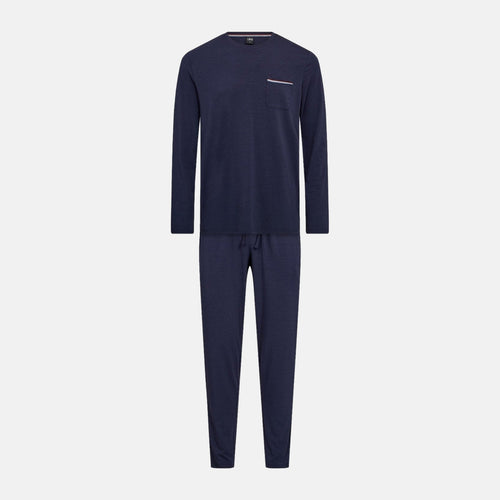
A print on the front wears quickly if it rubs against the drum and against zips on other clothes in the wash. With the print facing inward, the garment itself protects it. This matters most for prints that sit on top of the fabric. See bamboo pajamas for men for clothes that are washed often.
Sweat sits on the inside
Most dirt sits on the inner side anyway, because it comes from the body. Sweat, skin oil and odour settle in the fabric against the skin, so that is the side that needs the best wash. Turned out, the garment lets water and detergent meet the dirt directly. See bamboo bedding and bamboo fitted sheets.
Close zips and buttons first
Before you turn a garment, close zips, buttons and hooks. Then they do not catch on other clothes or scratch the right side of another piece. Closed zips also help the garment keep its shape in the wash. It is a small thing, but it saves many snags on thin fabrics.
Dark colours gain the most
Dark garments show pilling and fading most clearly, because light falls differently on a dull surface. Turn them inside out and the colour keeps looking better for longer. The same goes for knitwear, where the fibres sit loosely on the surface and come away easily with rubbing. Turn black and dark pieces first.
How to turn laundry quickly
Make it a habit to turn clothes as you take them off, not at the machine. Then they are ready in the basket, and you avoid fiddling with socks and sleeves at the last moment. Pull the sleeves all the way out so they are not twisted, and give the inside room for water.
Turn it for drying too
Yes, if the laundry dries in the sun. Sun fades colour, and the right side fades least if it faces away from the light. Drying indoors makes it less important, but it does no harm. Remember to turn the garment right side out again before folding it into the wardrobe.
Soft fabrics are spared as well
Fine, soft fabrics get small loose fibres on the surface when they rub against harder clothes such as jeans and towels. With the wrong side out, those fibres end up inside, where they are not seen. Soft pieces then stay neat, without you buying anything or changing the programme.
When it is not needed
Not everything needs it. Completely smooth, light garments without a print manage fine without, and some care labels say otherwise. Always read the label first. Even if you turn the clothes, still choose a gentle programme and do not fill the machine, because the inside only protects against rubbing, not against heat.
Frequently asked questions
Does the laundry get just as clean?
Yes. The dirt comes from the body and sits on the inner side, where the wash water meets it directly. Turning a garment does not make it come out less clean.
Does this apply to all garments?
It applies most to dark colours, prints and anything knitted. For smooth, light garments without a print it matters less. Always read the care label on the individual piece to be sure.
Should I turn it for drying too?
Yes, if it dries in the sun. Then the right side fades less. Indoors it matters less, but it does no harm.
You can find the full range at Bamboo-Clothing.com.