Why clothing gets thinner over time
Short answer: Every wash pulls small fibers loose from a garment. That is the lint you find in the dryer filter. Over many washes the fabric grows noticeably thinner, especially where there is friction.
Lint is lost fabric
The lint that collects in a dryer filter is not dust from outside, it is actually fibers that have been torn loose from the garment itself. Every single wash and every dry removes a small amount of material. After a hundred washes the total amount lost becomes large enough to feel clearly.
Friction concentrates in a few spots
Wear does not spread evenly across a garment. Elbows, heels, and the spots where a bag strap or a belt rests against the fabric experience far more friction than the rest of the surface. That is why these exact points turn thin and visibly worn long before the rest of the garment shows signs of age. See bamboo socks for women.
Washing and drying set the pace
Temperature and motion during washing and drying strongly affect how quickly the fibers wear down. High heat and heavy tumbling pull loose more fibers than a cold, gentle wash. Low temperature and air drying reduce fiber loss markedly and extend how long a garment keeps its original thickness. See bamboo t shirt for women.
Rotation spreads out the wear
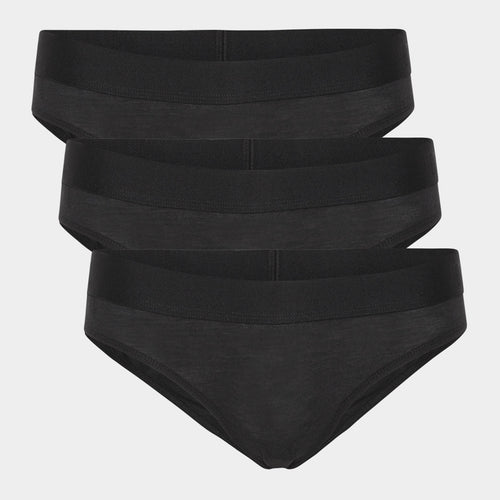
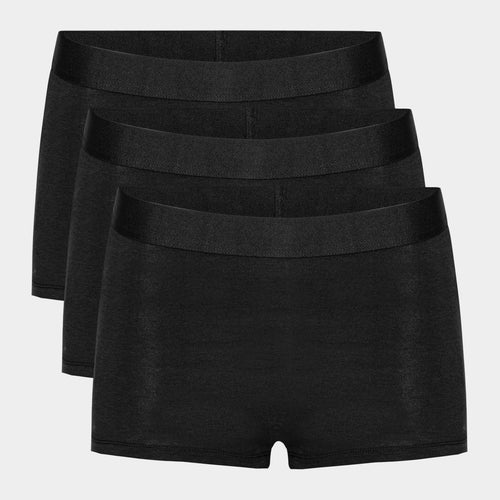
If you keep several matching pieces in rotation instead of reaching for the same one again and again, the number of washes gets spread across more garments. Each piece gets worn and washed less often and so stays thick for longer. This is one of the most effective ways to extend lifespan without changing anything else about your laundry habits. See bamboo underwear for women.
The fiber type affects the wear
Some fibers resist friction better than others, depending on how they are spun and knitted. An evenly spun yarn with few loose fiber ends wears down more slowly than an uneven yarn, simply because there are fewer weak points where tumbling can catch and pull fibers loose from the fabric.
How to spot a fabric that is thinning
Hold the fabric up to the light and look for spots that appear more see through than the rest of the garment. That is often the first visible sign that fiber loss has reached a stage where the fabric will soon develop holes, long before actual holes appear to the naked eye.
The quality of the yarn matters
A tightly and evenly spun yarn generally holds up better to repeated washing and drying than a loosely spun yarn of the same fiber type. That is one reason two garments made of the same material can age very differently, even when washed and worn in exactly the same way. See bamboo clothing for women.
How often to wash to protect the fabric
Wash clothing only when it is actually dirty or smells, rather than after a single wear. Fewer washes mean less total friction over the garment's lifetime, and that is often the simplest change you can make to extend how long a piece keeps its original thickness and strength.
What you can do to slow the pace
Turn down the temperature, skip the dryer when possible, and turn a garment inside out before washing. Together these three adjustments markedly reduce the friction the fibers are exposed to, without requiring any extra time or equipment in your everyday laundry routine.
Frequently asked questions
Why do t shirts get thinner over time?
Because every wash and dry pulls small fibers loose from the fabric. That is why lint collects in the dryer filter after every single dry.
Can you avoid the fabric getting thin?
Not entirely, but low temperature, air drying, and rotating between several garments can markedly slow the pace. These are the simplest and most effective changes to make.
Where does fabric get thin first?
Wherever friction is greatest, meaning heels, elbows, and spots where a bag repeatedly rests against the fabric over time.
You can find the full range at Bamboo-Clothing.com.