Why dense fabrics hold heat better
Short answer: A dense fabric lets less air through. The warm air at the skin stays put, and the cold air from outside does not get in. That is half of all insulation, and it is why a thin, dense fabric can do more for warmth than you might expect at first glance.
Air exchange is heat loss
Each time the air under your clothes is swapped out, the body has to warm the new air. A dense fabric slows that exchange. It means the air you have warmed yourself stays put and does some good, instead of escaping and being replaced by cold air from outside.
Density is not the same as thickness
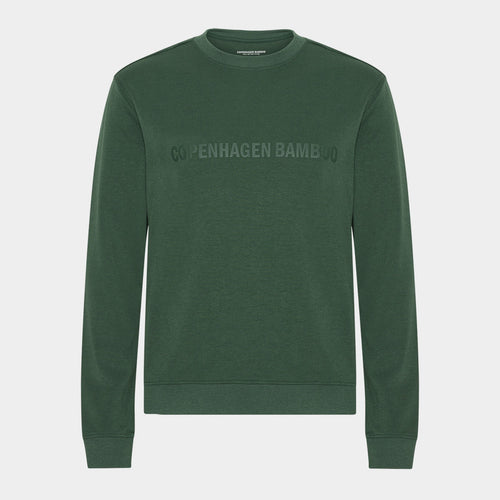
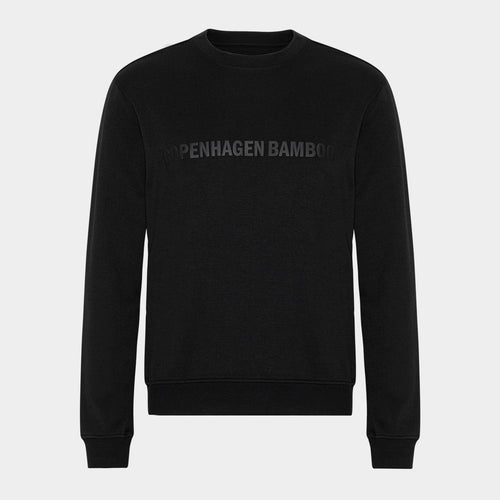
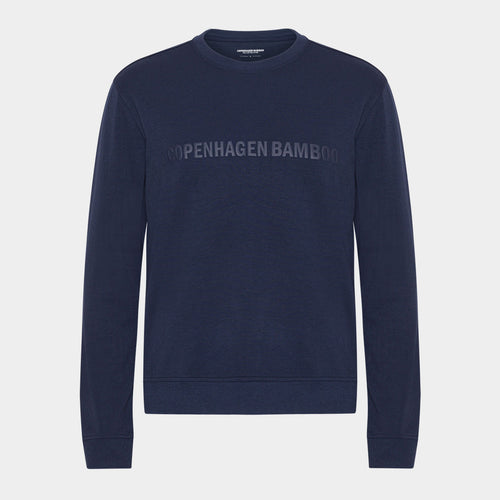
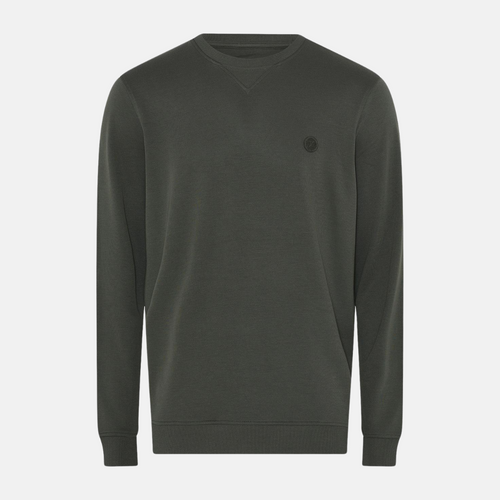
A thin, tightly woven fabric can stop wind better than a thick, loose knit. Insulation comes from both, each in its own way: the air lying still in the fabric, and the density that keeps it there. Look at a bamboo hoodie for men if you want to compare how a soft fabric sits.
The price is moisture
If the fabric stops the air, it stops vapour from the body too. That is why dense layers should always be ventilated with a zip or an opening. See bamboo sweatshirts for men and sleepwear, where a soft, breathable fabric suits quiet hours and the night, when you hardly move.
Ventilation makes a dense layer usable
A layer you can open at neck, sleeves or hem lets you regulate how much warm, damp air escapes. Open a little and you lose a little heat. Open a lot and you lose a lot. You get one dial to turn instead of having to change the whole garment.
An open layer underneath
The best advice in the cold is an open, insulating layer underneath and a dense layer outside. The open layer holds air close to the body, and the dense layer keeps the wind out. Each does the job it is best at, and together they give an even, steady warmth.
Why a dense jumper feels warm at once
It stops the air exchange, so the warm layer at the skin forms quickly. You do not have to wait for the fabric itself to warm up. That is why a dense jumper can feel pleasant almost immediately, while a loose knit needs time to trap the air between its stitches.
Dense fabrics in warm weather
Right against the skin, a dense fabric rarely works well in the heat, because it keeps both warmth and moisture in. An open, light fabric is better there, because the air can move freely. In summer you are better off choosing something that breathes and leaving dense layers in the wardrobe.
How to choose in practice
Think about what you need the clothes for. If you are out in the wind, choose a dense outer layer. If you sit still indoors, an open, soft layer may be right. Choose layers you can open and close where possible, so you can set the warmth yourself through the day.
Frequently asked questions
What works best in the cold?
An open, insulating layer underneath and a dense layer outside. The open layer traps air close to the body, and the dense one keeps the wind out, so the warmth stays with you instead of being blown away.
Can a dense fabric be comfortable in warm weather?
Rarely right against the skin. An open fabric is better there, because air and moisture can escape. A dense fabric can still work as an outer layer against wind and rain, where you are not too warm.
Why does a dense jumper feel warm at once?
Because it stops the air exchange, so the warm layer at the skin forms quickly. The body does not have to warm fresh air again and again, so you feel the warmth almost as soon as you put it on.
You can find the full range at Bamboo-Clothing.com.